

Even a little exercise linked with lower stroke risk in people with afib

Testosterone therapy without evidence of deficiency may boost heart risk

Weight-loss drug may lower risk of heart attacks and infections

What to eat on the DASH diet

Migraine: How it's diagnosed and what that means

Tricep workouts you can do at home

Mindfulness practices to reduce stress and improve focus

Antihistamines may not offer meaningful relief from eczema symptoms

Overweight and taking blood pressure medications: Study finds it's a trend that's working

FDA approves first mRNA-based flu vaccine
Inflammatory bowel disease (IBD) Archive
Articles

Thinking about holiday gatherings? Harvard Health experts weigh in
If you are gathering with family or friends during this holiday season there is still a lot of uncertainty around how to help keep everyone as safe as possible from COVID-19 illnesses and hospitalizations, particularly when many people will be traveling. Harvard Health Publishing faculty contributors share their own holiday plans and offer advice for safely enjoying the holidays this year.

Navigating holiday pressures in the COVID-19 reality

What are postbiotics?
Postbiotics are created by digestion. Like probiotics and prebiotics, they may contribute to gut health and overall health.

Less may be more when treating urinary tract infections

Breathing your way to better health

Gastroparesis: A slow-emptying stomach can cause nausea and vomiting
Gastroparesis is a condition that causes delay in the emptying of food from the stomach. This can cause uncomfortable symptoms like nausea, vomiting, and abdominal pain, and can affect nutrition and quality of life. Treatment may involve medication or a procedure, but a correct diagnosis is necessary first.

What happened to trusting medical experts?
In all aspects of our lives, we rely on the knowledge and advice of experts. So why are hundreds of thousands of people in the US rejecting advice on COVID-19 from well-respected health authorities, and embracing advice from those with dubious expertise –– and unproven and potentially dangerous remedies?

Keep ultra-processed foods off the menu
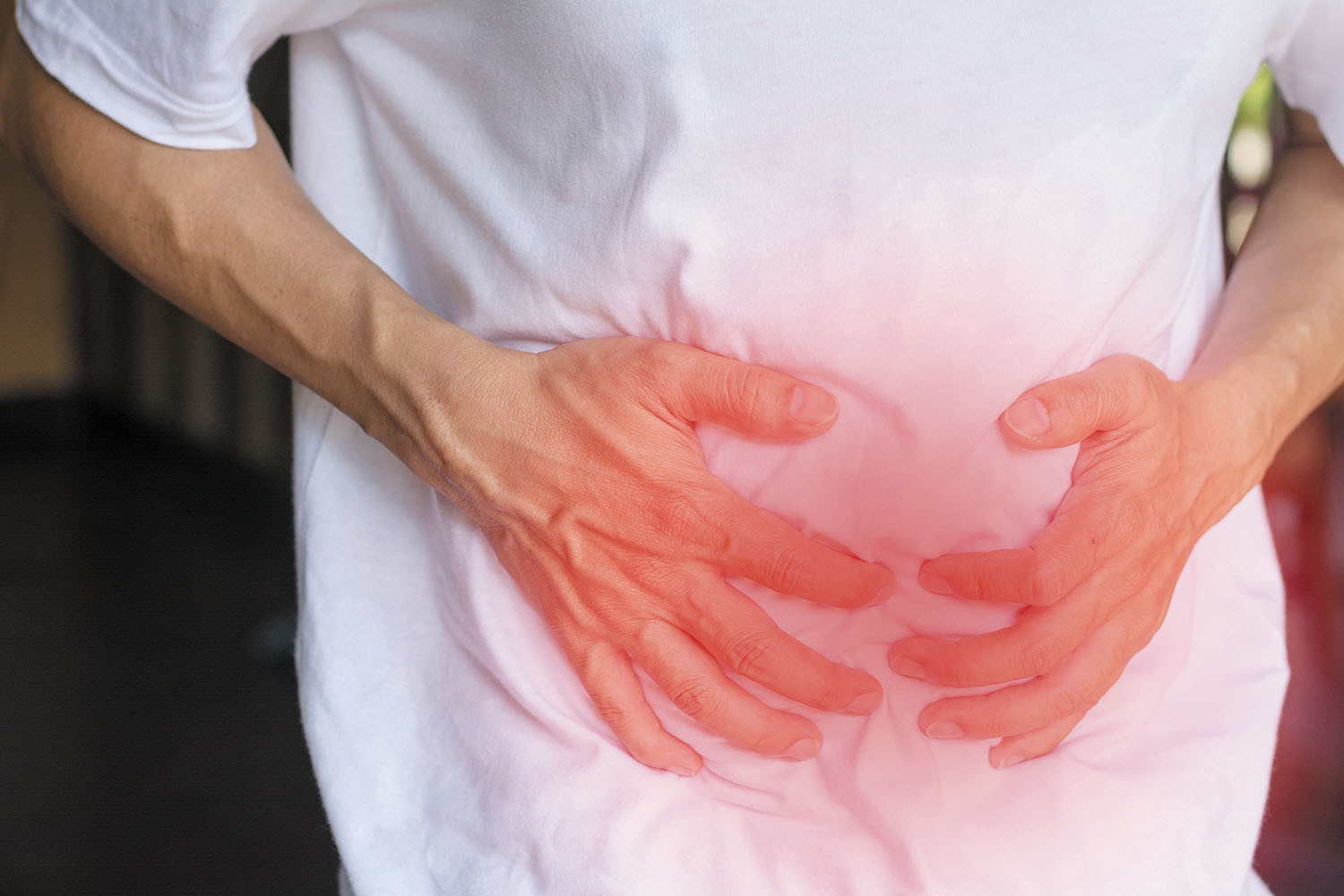
Inflammatory bowel disease on the rise in older adults

Reduce the health risks from "forever chemicals"
Even a little exercise linked with lower stroke risk in people with afib
Testosterone therapy without evidence of deficiency may boost heart risk
Weight-loss drug may lower risk of heart attacks and infections
What to eat on the DASH diet
Migraine: How it's diagnosed and what that means
Tricep workouts you can do at home
Mindfulness practices to reduce stress and improve focus
Antihistamines may not offer meaningful relief from eczema symptoms
Overweight and taking blood pressure medications: Study finds it's a trend that's working
FDA approves first mRNA-based flu vaccine
Free Healthbeat Signup
Get the latest in health news delivered to your inbox!
Sign Up
