

Even a little exercise linked with lower stroke risk in people with afib

Testosterone therapy without evidence of deficiency may boost heart risk

Weight-loss drug may lower risk of heart attacks and infections

What to eat on the DASH diet

Migraine: How it's diagnosed and what that means

Tricep workouts you can do at home

Mindfulness practices to reduce stress and improve focus

Antihistamines may not offer meaningful relief from eczema symptoms

Overweight and taking blood pressure medications: Study finds it's a trend that's working

FDA approves first mRNA-based flu vaccine
Inflammatory bowel disease (IBD) Archive
Articles

Can I skip vaccination if I had COVID?
Evidence suggests that people who've had COVID-19 may have some natural protection against the virus, but will have a much stronger immune response if they also get the vaccine.

Can COVID cause diabetes?
COVID-19 infections may raise the risk of developing diabetes, because the virus can damage insulin-producing cells in the pancreas.

Can you get shingles more than once?
It is possible to get shingles more than once. But getting vaccinated with the Shingrix vaccine may help prevent this from occurring.
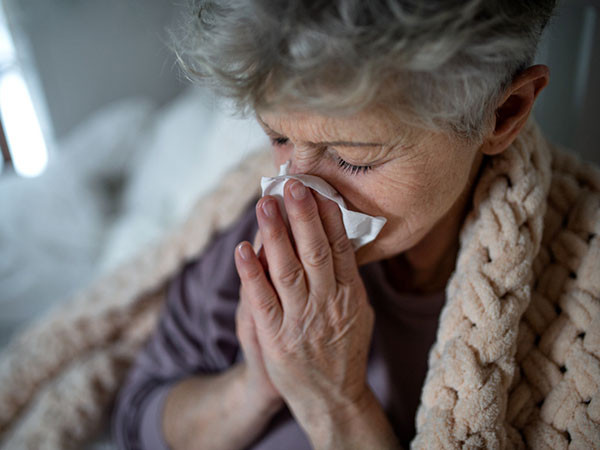
Remember the flu? Yep, it's that time again
Last winter's flu season was mild, partly due to record high rates of flu vaccination and steps people were already taking to protect themselves from COVID-19. But don't let that fool you — some flu seasons are severe, so it it's wise to get a flu shot and take other precautions that can help you stay healthy this winter.

Do people who have COVID-19 go on to develop other diseases?
Evidence suggests that people who recover from COVID-19 have an increased risk for developing new health problems, including heart attacks, high blood pressure, diabetes, high cholesterol, muscle inflammation, blood clots that travel to the lungs, strokes from clots or hemorrhages, or psychosis. This is in addition to permanent damage that can result from having COVID, including damage to the lungs, heart, kidneys, brain, or other organs; and debilitating fatigue, difficulty thinking, and other symptoms that make it hard to function normally at work or at home.

Shingles vaccine may also reduce stroke risk

Battle of the bulges

A vaccine that can prevent shingles

Adjusting gut bacteria may improve response to cancer treatment

COVID-19 and cardiovascular concerns: An evolving story
Even a little exercise linked with lower stroke risk in people with afib
Testosterone therapy without evidence of deficiency may boost heart risk
Weight-loss drug may lower risk of heart attacks and infections
What to eat on the DASH diet
Migraine: How it's diagnosed and what that means
Tricep workouts you can do at home
Mindfulness practices to reduce stress and improve focus
Antihistamines may not offer meaningful relief from eczema symptoms
Overweight and taking blood pressure medications: Study finds it's a trend that's working
FDA approves first mRNA-based flu vaccine
Free Healthbeat Signup
Get the latest in health news delivered to your inbox!
Sign Up
