

Even a little exercise linked with lower stroke risk in people with afib

Testosterone therapy without evidence of deficiency may boost heart risk

Weight-loss drug may lower risk of heart attacks and infections

What to eat on the DASH diet

Migraine: How it's diagnosed and what that means

Tricep workouts you can do at home

Mindfulness practices to reduce stress and improve focus

Antihistamines may not offer meaningful relief from eczema symptoms

Overweight and taking blood pressure medications: Study finds it's a trend that's working

FDA approves first mRNA-based flu vaccine
Inflammatory bowel disease (IBD) Archive
Articles
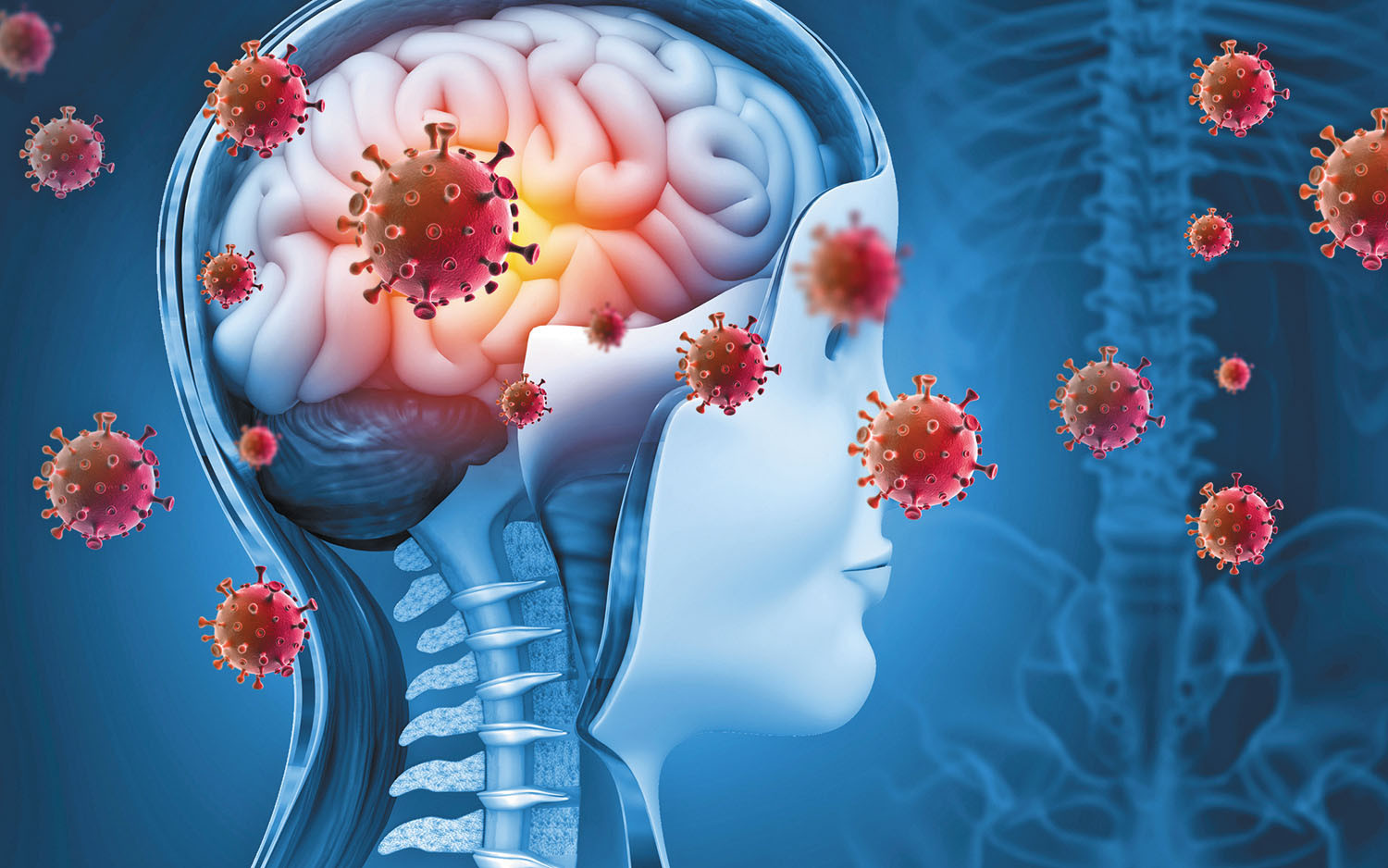
Does COVID-19 damage the brain?
COVID-19 can damage the brain in many ways. Initially, it can cause brain inflammation that causes confusion, difficulty concentrating, and memory problems. COVID also can cause new psychological disorders such as depression or anxiety. It can even cause people to see and hear things that aren't there and to believe things that aren't true. COVID often damages the brain's autonomic nervous system, leading to abnormalities in heart rate and blood pressure. Additionally, the virus that causes COVID can infect and injure the lining of blood vessels and make blood clot more easily, which can lead to strokes and heart attacks.

Shingles linked with higher risk for heart disease and stroke
People who have had shingles have a 30% increased risk for heart disease and stroke, says a new Harvard study. Learn more about the risk.

Vaccination may protect against long COVID
Getting at least one dose of a COVID vaccine lowers the risk of developing long COVID even among people who were previously unvaccinated and recovered from COVID.

Harvard study: Shingles linked to a spike in risks for heart attack and stroke
A 2022 observational study that included more than 200,000 people found that those who'd had shingles at some point had a 30% higher long-term risk for a major cardiovascular event, compared with people who didn't have shingles.
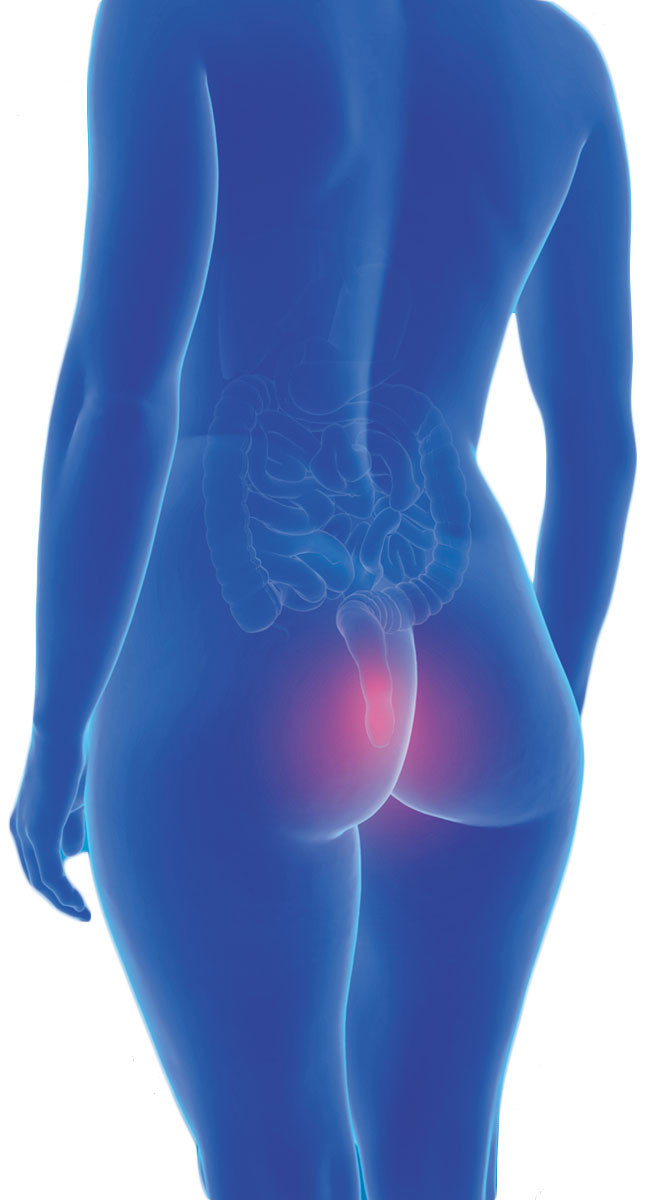
A pain in the rear
Everyone is born with the blood vessels that underlie hemorrhoids, but they may become problematic when they enlarge. Half of people have symptoms by age 50 that include pain, itching, swelling, and bleeding. Home remedies such as pain relievers, topical creams and ointments, sitz baths, and cold compresses don't eradicate hemorrhoids. In-office procedures can cut off blood supply to internal hemorrhoids, allowing them to fall off. Surgery is the only definitive treatment option for external hemorrhoids visible at the anus.

Healthy gut, healthy heart
The gut is home to trillions of microbes, collectively known as the gut microbiota, which help with digestion, manufacture certain nutrients, and release various substances that have wide-ranging health effects, including on cardiovascular health. As diet plays a significant role in the composition of the gut microbiota, people's diet can indirectly affect heart health. Following a plant-based diet that emphasizes less red meat and more fiber can support the gut and its heart-healthy benefits.

You don't say? Facts about flatulence
It's normal to accumulate and release gas; in fact, the average person releases two liters of gas per day. Certain foods can increase gas production since they take longer to digest.

Prune juice for constipation? A new study says yes
Drinking about one cup of prune juice daily may help relieve chronic constipation, according to a 2022 study.
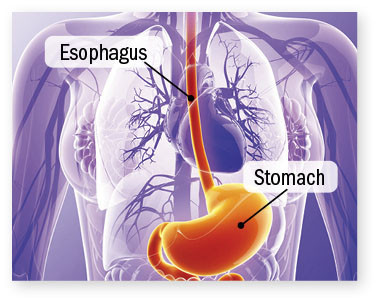
Heart disease and heartburn: What's the overlap?
Heartburn can cause chest pain that may be mistaken for a heart attack, and vice versa. Heartburn causes more a burning sensation and is more likely to occur after a large meal. Heart attacks are often described as a feeling of tightness or pressure and are more likely to occur after physical activity or stress. People who aren't sure about their symptoms should get to an emergency room for an evaluation as soon as possible.

How high a fever is too high?
A fever is the immune system's response to an infection or invader. Most fevers drop after people take over-the-counter medications. People should call a doctor if their fever reaches 103° F and go to an emergency room if it reaches 105°.
Even a little exercise linked with lower stroke risk in people with afib
Testosterone therapy without evidence of deficiency may boost heart risk
Weight-loss drug may lower risk of heart attacks and infections
What to eat on the DASH diet
Migraine: How it's diagnosed and what that means
Tricep workouts you can do at home
Mindfulness practices to reduce stress and improve focus
Antihistamines may not offer meaningful relief from eczema symptoms
Overweight and taking blood pressure medications: Study finds it's a trend that's working
FDA approves first mRNA-based flu vaccine
Free Healthbeat Signup
Get the latest in health news delivered to your inbox!
Sign Up
