

Reading the current blood pressure guidelines

Oat vs. dairy milk: Nutrition, benefits, and downsides

Microplastics: A hidden health threat?

Healing after food poisoning

What is tempeh? Benefits, nutrition, and how to use it

Light exposure at night may raise risk for heart disease

Whole grains may improve several heart risk factors at once

A lumbar belt may help ease low back pain

Children of centenarians may stay healthier and live longer too, study finds

Signs of pneumonia: Sometimes vague and unexpected
Independent Living Archive
Articles
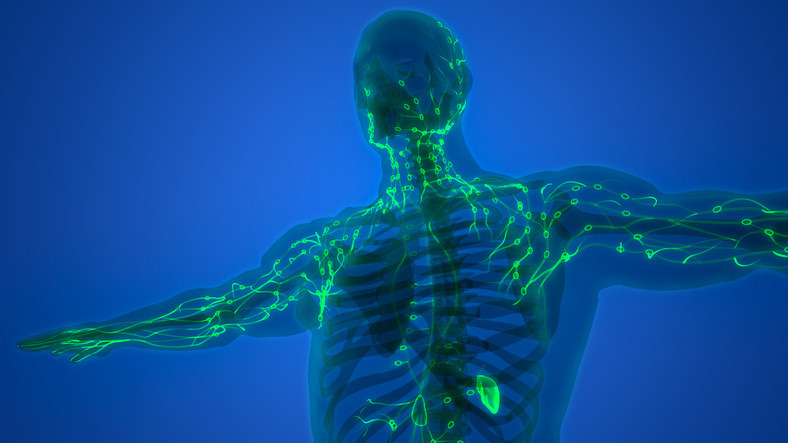
Wondering what your lymph nodes have done for you lately?
The human body has hundreds of lymph nodes, one part of the immune system that helps defend the body against health threats. They aren't usually noticeable, but they are always working to deal with potential health problems.

Getting over the fat phobia
There are several types of dietary fat. Some fats are unhealthy, such as trans fat and saturated fat. Polyunsaturated and monounsaturated fat are healthy.

Start moving with a fitness tracker
Fitness trackers accurately record objective data about physical activity, including the pace, distance, intensity, and duration of exercise. Knowing that something is keeping track of every move can motivate people to stick with a workout.

Malnutrition alert: Load your freezer with healthy foods
For older adults who can't always go to the store, it's smart to keep the freezer stocked with healthy, fresh foods all year through. Staples include a variety of proteins (meat, poultry, and seafood), fruits, and vegetables.

Try this natural remedy to stay regular
Eating two peeled kiwifruits per day may help ease constipation, according to a small randomized trial published in 2023. The effectiveness of eating kiwifruits was slightly greater than that of using a daily fiber supplement such as Metamucil or Fiberall.

The latest in medical alert systems
Some medical alert systems now have advanced technology that integrates monitoring services with a smartphone, smart watch, or smart speaker. The services aren't cheap. They range from $20 to $50 per month, depending on the company and any additional services (such as fall detection). There may also be fees for activation and equipment (up to a few hundred dollars). The alternative is getting an alert system that isn't monitored, such as free "panic button" apps for smartphones or a smart watch that can notify relatives in an emergency.

Do these activities hurt your knees?
Certain activities like running, stair climbing, or kneeling may lead to knee pain. But evidence suggests that regular activity or exercise is unlikely to cause actual knee damage. Learn how to keep active and avoid knee pain.

Decoding medication instructions
Some medication instructions are vague and confusing. Examples include "take once daily," "take with food," and "take with water." When someone is unsure exactly how to take a medication, even if it's already been explained, it's best to ask for clarification. Ideally this happens when a doctor writes the prescription, but it's okay to call and ask later. It may also be helpful to ask a pharmacist for the directions, either when picking up a medication or on a later call.

Hidden causes of weight gain
The reason for weight gain isn't always as obvious as inactivity or a poor diet. Weight gain can stem from many other causes. For example, it might reflect age-related physiological changes such as muscle loss, poor sleep, or changes in sex hormone levels; underlying conditions such as diabetes or sleep apnea; side effects from taking certain medications, such as antidepressants or beta blockers; or possibly the effects of eating late at night or the makeup of gut bacteria. Recent or excessive weight gain warrants a visit to a doctor to help pinpoint the issue.

Focusing on six food groups may help prevent cardiovascular disease
A 2023 study suggests eating enough of six categories of food common in popular heart-health diets is associated with a lower risk of cardiovascular disease, including heart attacks and strokes. The six groups are fruits, vegetables, legumes, nuts, fish, and dairy products.
Reading the current blood pressure guidelines
Oat vs. dairy milk: Nutrition, benefits, and downsides
Microplastics: A hidden health threat?
Healing after food poisoning
What is tempeh? Benefits, nutrition, and how to use it
Light exposure at night may raise risk for heart disease
Whole grains may improve several heart risk factors at once
A lumbar belt may help ease low back pain
Children of centenarians may stay healthier and live longer too, study finds
Signs of pneumonia: Sometimes vague and unexpected
Free Healthbeat Signup
Get the latest in health news delivered to your inbox!
Sign Up
