

CoQ10: Should you take this popular supplement if you're on a statin?

Oat vs. dairy milk: Nutrition, benefits, and downsides

Microplastics: A hidden health threat?

Healing after food poisoning

What is tempeh? Benefits, nutrition, and how to use it

Light exposure at night may raise risk for heart disease

Whole grains may improve several heart risk factors at once

A lumbar belt may help ease low back pain

Children of centenarians may stay healthier and live longer too, study finds

Signs of pneumonia: Sometimes vague and unexpected
Independent Living Archive
Articles
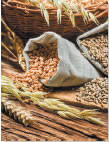
Whole grains associated with longevity, say Harvard researchers
Regularly eating whole grains can help you lower “bad” cholesterol, triglycerides, and blood pressure. A diet rich in whole grains also “is associated with a lower risk of developing cardiovascular disease, type 2 diabetes, metabolic syndrome, and certain types of cancer,” says Dr. Qi Sun, an associate professor at Harvard Medical School.
In a study published in JAMA Internal Medicine, Sun and colleagues reported that eating whole grains may even extend your life. Sun used the diet information of more than 100,000 men and women whose health was followed for more than 20 years. The study found that those who regularly ate whole grains had a 9% lower overall death rate and a 15% lower death rate from heart disease.

Steps to stay independent when you live alone
Image: Thinkstock
Safety, socializing, and helpful services enhance your ability to stay at home longer.
Living alone in our older years can be a challenge and a risk. There's no one in the house to call paramedics if you get hurt, and there's no one sitting at the dinner table for conversation or companionship. Isolation can lead to a decline in thinking skills and to an increased risk for depression.
While there are many tools to help you reduce the risks of living alone, implementing them may be easier said than done. "The misconception is that any acceptance of help is somehow the beginning of a slippery slope into dependence and losing control of your life," says Barbara Moscowitz, a geriatric social worker at Harvard-affiliated Massachusetts General Hospital. "We need to reframe what will help us remain independent and accept the tools to help us. Make a choice to enhance your ability to live alone. See assets and positives, not signs of weakness."
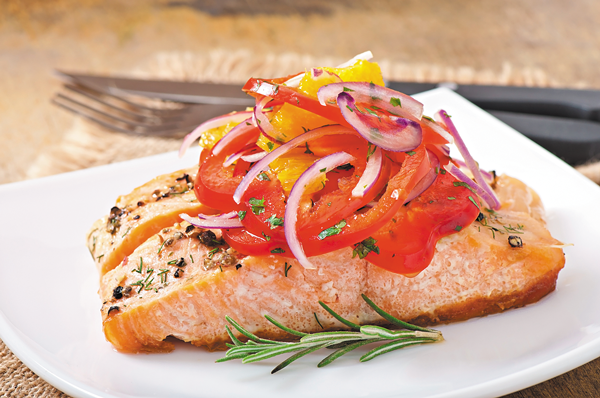
Do omega-3s protect your thinking skills?
It may be helpful to eat a diet rich in omega-3 fatty acids.
Image: Elena_Danileiko/Thinkstock
Maybe you're hoping to protect your thinking skills by eating oily fish like salmon or taking a daily fish oil supplement. After all, the media frequently talk about the benefits of omega-3 fatty acids in fish oil, and sales of fish oil supplements are more than $1 billion per year in the United States. But can fish oil keep us thinking clearly? "For people who are healthy, who don't have a decline in memory and thinking skills, the question of prevention has not yet been answered," Dr. Scott McGinnis, an assistant professor in neurology at Harvard Medical School, explains.
About omega-3s
Omega-3 fatty acids are polyunsaturated fats in food that are essential for health. There are three main types:
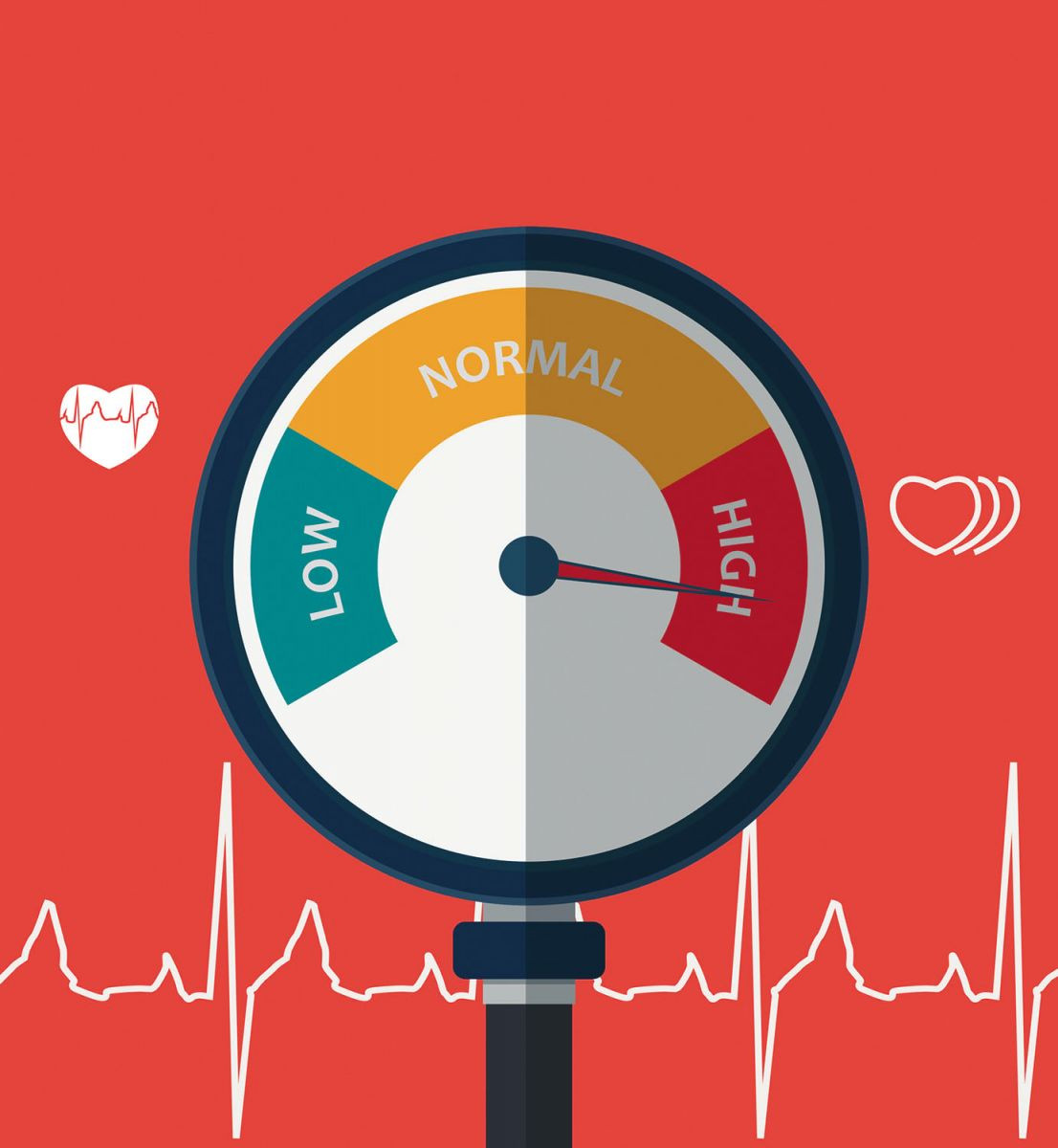
New guidelines for high blood pressure diagnosis and treatment
News briefs
If you haven't talked to your doctor lately about your blood pressure, it may be time for a check-up. The definition of high blood pressure (hypertension) changed in November 2017, when the American College of Cardiology and the American Heart Association released new guidelines for diagnosis and treatment of the condition. High blood pressure used to be diagnosed at a measurement of 140/90 millimeters of mercury (mm Hg) or higher. Now these authorities state that if your blood pressure is 130/80 mm Hg or higher, you have hypertension. A normal blood pressure measurement is the same as it was before: less than 120/80 mm Hg. What if your blood pressure is in between normal and the new hypertension threshold? That's considered "elevated," something that should be watched and addressed with exercise, a healthy diet low in salt, limited alcohol intake (no more than one drink per day for women, one or two drinks per day for men), and weight loss as needed. The new guidelines are based on evidence that having a systolic (top) measurement from 130 to 139 and a diastolic (bottom) measurement from 80 to 89 doubles the risk for having a heart attack, stroke, or other complications.
Image: © eduardrobert/Thinkstock

What to do if your medication is recalled
Drug recalls don't necessarily affect every batch of a pill or potion. You'll need to do a little homework before you stop taking your medication.
We take prescription and over-the-counter medications to get better or avoid getting sick. We know drug side effects can make us feel ill. But we don't imagine that medications can contain toxic impurities. Yet, it happens. Recently, for example, dozens of prescription blood pressure pills (angiotensin-receptor blockers, or ARBs) containing trace amounts of potentially cancer-causing compounds were recalled.
Recalls happen frequently. Sometimes, the FDA finds the manufacturing process to be defective. Other times, a dangerous side effect that was initially not apparent becomes clear later. "Some medication recalls are for problems that are not very serious, but the products have to be recalled nonetheless," says Joanne Doyle Petrongolo, a pharmacist with Harvard-affiliated Massachusetts General Hospital.
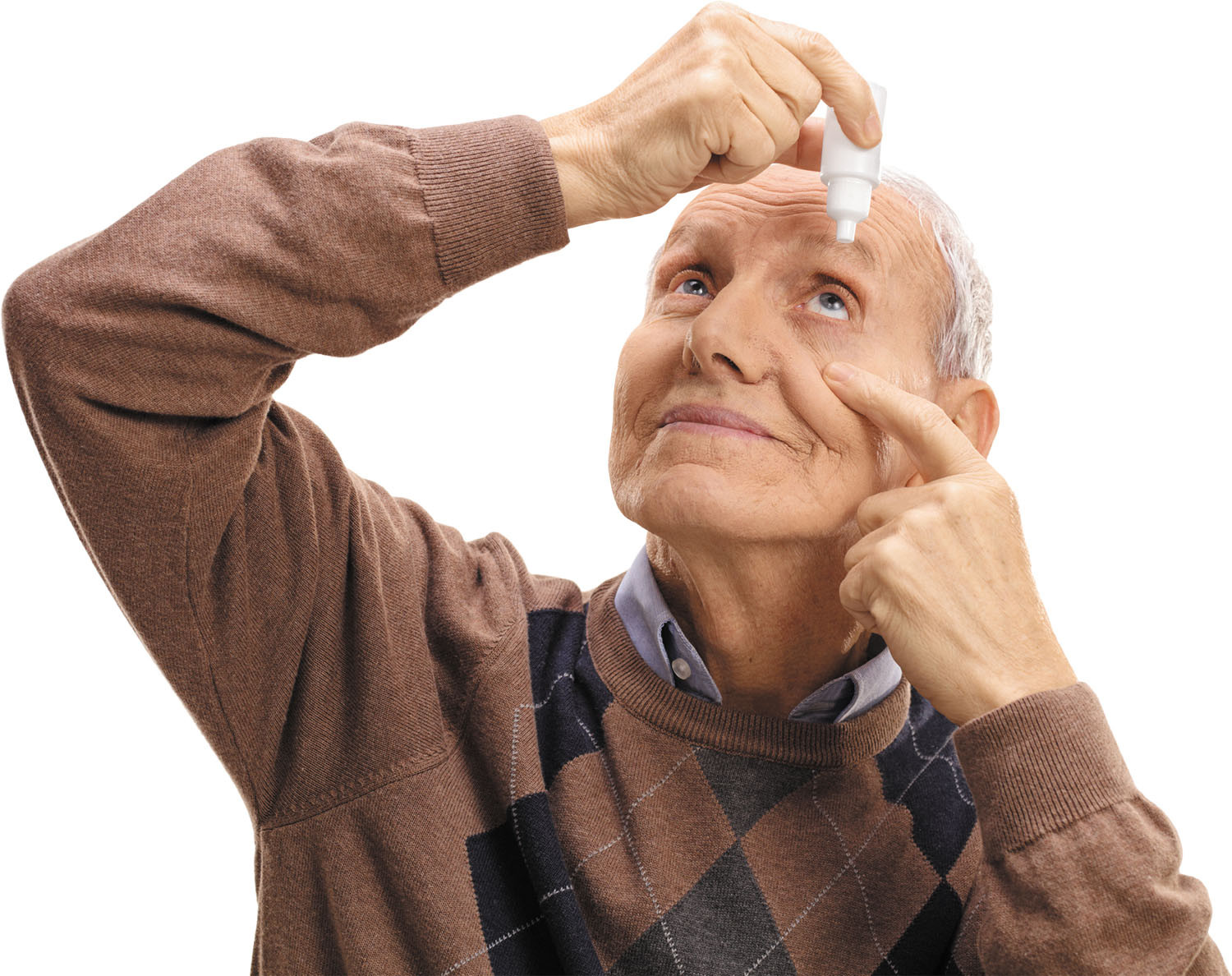
Common eye problems and how to fix them
In most cases, the solution to relieving symptoms is simple.
Your eyes are tearing all day long, or they're dry and burning or crusty. What seems like a minor symptom suddenly has a major effect on your vision and your day. But take heart: in most cases there's a fix for the discomfort. "Ninety percent of the complaints are common and temporary," says Dr. Matthew Gardiner, an ophthalmologist with Harvard-affiliated Massachusetts Eye and Ear Infirmary.
Here are some common eye problems and the typical fix for each one.

Keeping your weight stable in older age
How to gain weight safely when you're down a few pounds.
You've spent your whole life trying to keep extra pounds off. Now your doctor says you actually need to gain a few pounds to stay healthy. But healthy weight gain isn't so simple. "Some people find it difficult to add enough calories to their usual diet. It takes a lot of effort," says registered dietitian Kathy McManus, director of the Department of Nutrition at Harvard-affiliated Brigham and Women's Hospital.
Where to begin
A dietitian can help you come up with an eating plan based on your specific calorie needs. It starts with understanding how quickly you've lost weight and why (see "Why are you underweight?"). Your age, size, activity, amount of weight lost, and overall health will be key to designing a diet that's right for you.

Tips for better bowel control
Try simple measures first, like using a fiber supplement and treating underlying conditions.
Nobody wants to talk about or even imagine it. But loss of bowel control — known as fecal incontinence — is a problem for millions of adults in the United States, especially women.
"It becomes more common with age. It's socially isolating and takes away your dignity. You live in fear that you have stool in your pants and people can smell it. Some people won't even tell their doctors about it," says Dr. Kyle Staller, a gastroenterologist at Harvard-affiliated Massachusetts General Hospital.

Beer-before-wine strategy doesn't hold water
News briefs
Ever hear the saying that drinking beer before wine can reduce hangover symptoms? It's just a myth, according to a small randomized study published Feb. 1, 2019, in The American Journal of Clinical Nutrition. Researchers found out by dividing 90 men and women (ages 19 to 40) into four groups. One group drank beer first, and then wine; another group drank wine first, and then beer; and the last two groups drank only beer or only wine. All of the participants drank until they were intoxicated (measured by a breath test), and then rated their hangover symptoms (like headache and nausea) on the day after drinking. The process was repeated a week later, but this time the beer-first group drank wine first; the wine-first group drank beer first; the wine-only group drank only beer; and the beer-only group drank only wine. The results: everyone experienced hangovers, no matter what they drank or the order in which they drank it. The strongest predictors for hangover intensity were perceived drunkenness and vomiting. The bottom line: Drinking too much is unhealthy for anyone. If you drink at all, drink in moderation. That means no more than one drink per day for women, no more than two drinks per day for men.
Image: © draghicich/Getty Images

Get healthy for vacation
Don't neglect healthy habits when planning your summer travels.
Before you leave for summer vacation, don't forget to pack some good health.
"While you should follow healthy habits year-round, you should give extra attention to certain areas when you travel, since you are often more active than usual," says Dr. Wynne Armand, a primary care physician at Harvard-affiliated Massachusetts General Hospital.
CoQ10: Should you take this popular supplement if you're on a statin?
Oat vs. dairy milk: Nutrition, benefits, and downsides
Microplastics: A hidden health threat?
Healing after food poisoning
What is tempeh? Benefits, nutrition, and how to use it
Light exposure at night may raise risk for heart disease
Whole grains may improve several heart risk factors at once
A lumbar belt may help ease low back pain
Children of centenarians may stay healthier and live longer too, study finds
Signs of pneumonia: Sometimes vague and unexpected
Free Healthbeat Signup
Get the latest in health news delivered to your inbox!
Sign Up
