Many older adults get health information from self-defined experts online

Routine cancer screenings for older adults: Mammograms, colonoscopies, PSA tests, and more
How PMOS (once called PCOS) affects women after menopause
Eating more soy and other legumes might ward off high blood pressure

Surgery for a torn meniscus appears to offer no benefit

AI in healthcare: Can a chatbot answer your medical questions?

Increasing daily steps may boost surgical recovery
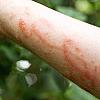
Poison ivy rash: Symptoms, treatment, and prevention

Taming high blood pressure: How doctors find the right drug mix

Easy ways to add tofu to your diet
Heart Health
The heart beats about 2.5 billion times over the average lifetime, pushing millions of gallons of blood to every part of the body. This steady flow carries with it oxygen, fuel, hormones, other compounds, and a host of essential cells. It also whisks away the waste products of metabolism. When the heart stops, essential functions fail, some almost instantly.
Given the heart's never-ending workload, it's a wonder it performs so well, for so long, for so many people. But it can also fail, brought down by a poor diet and lack of exercise, smoking, infection, unlucky genes, and more.
A key problem is atherosclerosis. This is the accumulation of pockets of cholesterol-rich gunk inside the arteries. These pockets, called plaque, can limit blood flow through arteries that nourish the heart — the coronary arteries — and other arteries throughout the body. When a plaque breaks apart, it can cause a heart attack or stroke.
Although many people develop some form of cardiovascular disease (a catch-all term for all of the diseases affecting the heart and blood vessels) as they get older, it isn't inevitable. A healthy lifestyle, especially when started at a young age, goes a long way to preventing cardiovascular disease. Lifestyle changes and medications can nip heart-harming trends, like high blood pressure or high cholesterol, in the bud before they cause damage. And a variety of medications, operations, and devices can help support the heart if damage occurs.
Many older adults get health information from self-defined experts online
Routine cancer screenings for older adults: Mammograms, colonoscopies, PSA tests, and more
How PMOS (once called PCOS) affects women after menopause
Eating more soy and other legumes might ward off high blood pressure
Surgery for a torn meniscus appears to offer no benefit
AI in healthcare: Can a chatbot answer your medical questions?
Increasing daily steps may boost surgical recovery
Poison ivy rash: Symptoms, treatment, and prevention
Taming high blood pressure: How doctors find the right drug mix
Easy ways to add tofu to your diet
Free Healthbeat Signup
Get the latest in health news delivered to your inbox!
Sign Up