

Light exposure at night may raise risk for heart disease

Whole grains may improve several heart risk factors at once

A lumbar belt may help ease low back pain

Children of centenarians may stay healthier and live longer too, study finds

Signs of pneumonia: Sometimes vague and unexpected

The surprising link between ovarian cancer and the fallopian tubes

Using a vibration plate: What it can — and can't — do for your body

People who walk more or walk faster live longer, study finds

For sleep apnea, a dental device may be as effective as CPAP

Rosacea treatments: What works?
Heart Health Archive
Articles

Step up your walking game
Most people typically get around 3,000 to 4,000 steps per day doing things such as household chores, going to the mailbox, or grocery shopping. But people who walk 8,000 steps per day (about 4 miles in total) may live longer than those who walk just 4,000 steps per day—and walking speed doesn't seem to matter. People who walk 12,000 steps per day may live even longer than those who take 8,000 steps. But the added benefit was small, and walking even more may not make a difference.

What is a silent stroke?
Most strokes are caused by a clot that blocks a blood vessel in the brain. Those that damage small areas of brain tissue that don't control any vital functions are known as silent strokes because they don't cause any noticeable symptoms.
Why you should move — even just a little — throughout the day
People who sit for long, uninterrupted periods of time may increase their risk of cardiovascular disease, even if they get the recommended 30 minutes of daily exercise. Sedentary behavior appears to make people more prone to developing insulin resistance and inflammation, which are key players in the buildup of fatty plaque inside arteries. Experts say people should add short bursts of movement to their daily routine to break up long periods of sitting.

When walking leads to leg pain
Peripheral artery disease (PAD), which occurs when fatty deposits clog arteries outside the heart, is underrecognized and potentially dangerous. The hallmark symptom is leg pain that occurs with exercise, called intermittent claudication. PAD is more common among people who are older, who smoke, and who have diabetes. The recommended treatment involves short periods of walking interspersed with rest periods when pain occurs. Walking increases blood flow in the leg's smaller arteries and helps create new channels to move blood around the blockages; it also helps discourage new blockages.

Beyond "bad" cholesterol: A closer look at your blood lipids
For assessing heart disease risk, a standard cholesterol test doesn't always tell the whole story. Some people with "normal" LDL cholesterol levels might benefit from a test that measures apolipoprotein B (apoB). This test, which measures the number of LDL particles as well as other particles that can contribute to clogged arteries, may be a better indicator of heart disease risk than just an LDL cholesterol value.

Seed of the month: Pumpkin seeds
Pumpkin seeds are one of the best natural sources of magnesium, a mineral that's important for keeping blood pressure in check. They're also a good source of several other minerals, unsaturated fats, and fiber.

Our evolving understanding of the problem with plaque
New imaging techniques that use light or sound waves to create images of the inside of coronary arteries have helped researchers better understand the fat-laden plaque that builds up inside artery walls (atherosclerosis). Most heart attacks happen when small, inflamed areas of fatty plaque rupture suddenly, causing a clot that blocks blood flow. This may explain why treating large, obstructive plaques with stents or bypass surgery does not seem to prevent heart attacks or help people live longer.

Salty diet linked to narrowed arteries in the heart and neck
The more salt people eat, the greater their risk of clogged heart and neck arteries, a 2023 study suggests. Narrowed arteries (atherosclerosis) can lead to heart attacks and strokes.

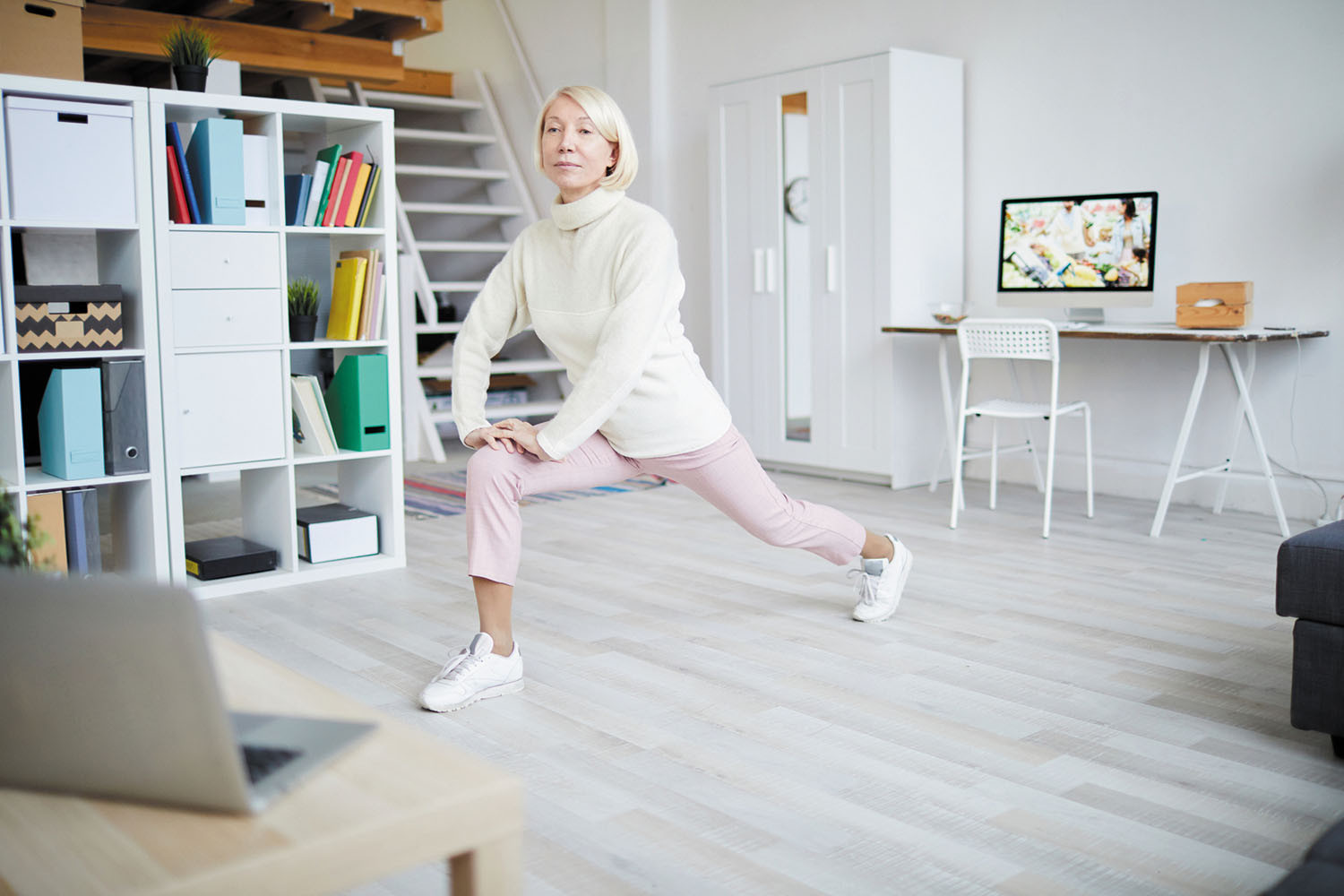
Move of the month: Stationary lunge
Lunges, which strengthen the entire lower body, are a good example of a functional exercise. These exercises mimic everyday actions (such as picking something up off the floor), thereby improving physical functioning throughout the day.
Light exposure at night may raise risk for heart disease
Whole grains may improve several heart risk factors at once
A lumbar belt may help ease low back pain
Children of centenarians may stay healthier and live longer too, study finds
Signs of pneumonia: Sometimes vague and unexpected
The surprising link between ovarian cancer and the fallopian tubes
Using a vibration plate: What it can — and can't — do for your body
People who walk more or walk faster live longer, study finds
For sleep apnea, a dental device may be as effective as CPAP
Rosacea treatments: What works?
Free Healthbeat Signup
Get the latest in health news delivered to your inbox!
Sign Up
