

CoQ10: Should you take this popular supplement if you're on a statin?

Oat vs. dairy milk: Nutrition, benefits, and downsides

Microplastics: A hidden health threat?

Healing after food poisoning

What is tempeh? Benefits, nutrition, and how to use it

Light exposure at night may raise risk for heart disease

Whole grains may improve several heart risk factors at once

A lumbar belt may help ease low back pain

Children of centenarians may stay healthier and live longer too, study finds

Signs of pneumonia: Sometimes vague and unexpected
Heart Health Archive
Articles

Spectator sports: How a high-stakes game may affect your heart
Research we're watching
Image: © FatCamera/Getty Images
Stressful events — even positive ones, such as watching an exciting sporting match — can affect your heart. During World Cup soccer and the National Football League's Super Bowl, rates of heart attacks and heart rhythm problems (arrhythmias) increase, both among sports fans and within the local population. A study published online August 20 by the American Journal of Cardiology takes a closer look at this risk.
Researchers examined data from 133 people with implanted cardiac devices in St. Louis, Mo., during two 10-day periods. The first was in early September of 2011 (the control period). The second was six weeks later during the World Series, when the St. Louis Cardinals played a series of dramatic games against the Texas Rangers.

The age of statins
Healthy older adults ages 75 and older might not benefit from the drugs to protect against cardiovascular disease.
Image: © rogerashford/Getty Images
Cardiovascular disease is the leading cause of death for people ages 75 and over. The cholesterol-lowering statin drugs can help protect against heart attack or stroke, both for people who have already had one and those who are at high risk for one of these events.
But what if you are in this older age bracket and have no history of cardiovascular problems? Do you really need one of these cholesterol-lowering drugs to protect yourself from future heart attacks and strokes?

Weight may determine how much aspirin is needed to prevent heart attacks
In the journals
Image: © sd619/Getty Images
Low-dose aspirin therapy has been shown to help prevent heart attacks, but a study in the Aug. 4, 2018 issue of The Lancet suggests men who weigh more than 154 pounds may need higher doses. Researchers analyzed 10 trials that evaluated daily aspirin therapy for cardiovascular disease prevention in 120,000 men and women. The study participants had no history of heart or vascular disease. The researchers found that low-dose daily aspirin — 75 to 100 mg — was associated with reduced risk for heart attack and stroke among both men and women who weighed less than 154 pounds.
However, there was no significant effect for heavier patients. (About 80% of the men in the study were among this group.) The reason? The researchers speculated that people with more weight also have higher amounts of esterase, an enzyme that reduces how much aspirin is available in the body.
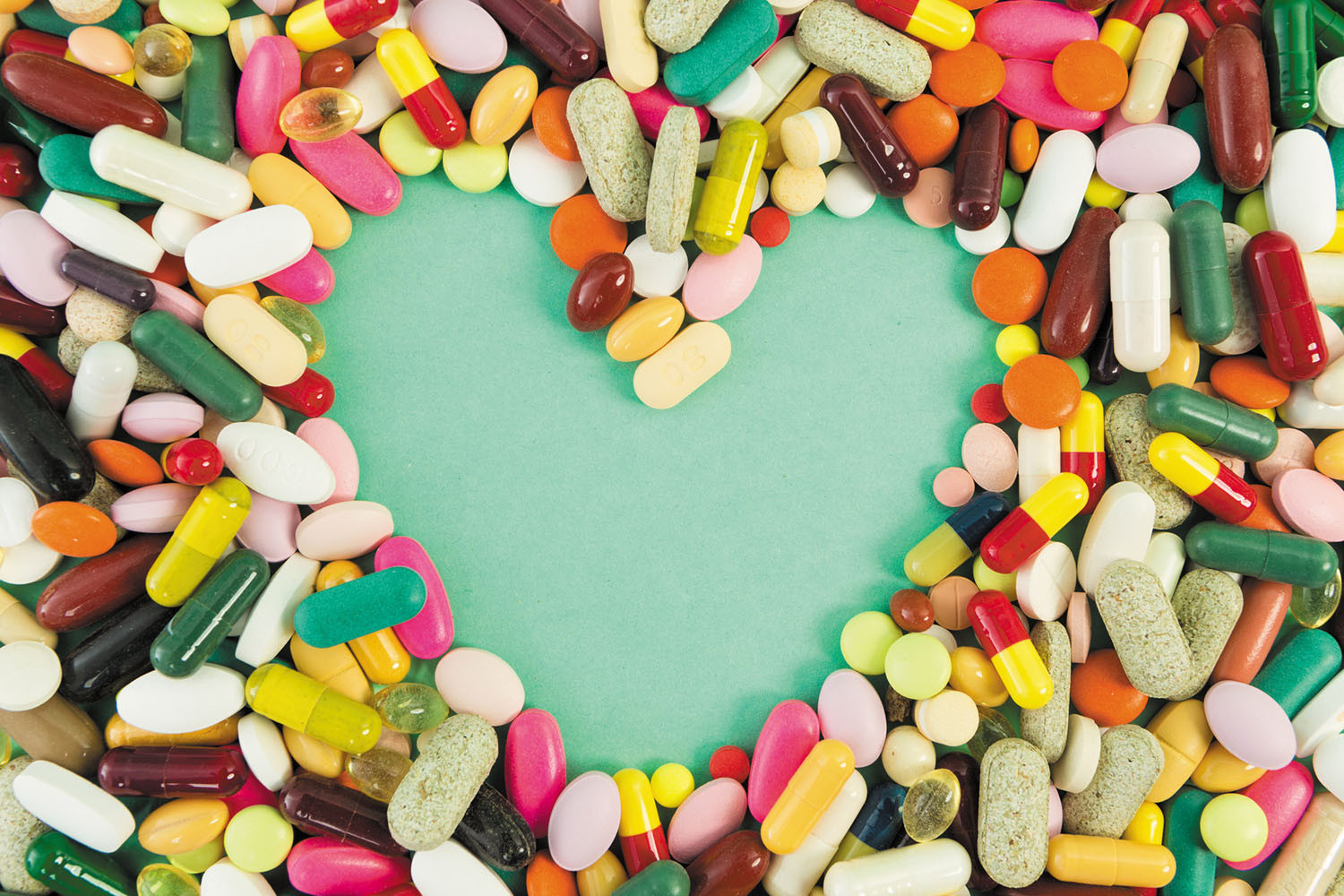
Taking a multivitamin probably won’t help your heart
Vitamins don't seem to reduce cardiovascular risks, according to a new report.
Image: © Thunderstock/Getty Images
There may be reasons to take a multivitamin, but improving your cardiovascular health is not one of them, says a report in the July 10 issue of Circulation: Cardiovascular Quality and Outcomes. The authors found that for the average person, taking a multivitamin supplement didn't help prevent cardiovascular problems, such as heart attacks and strokes.
The findings were based on a review of general population studies conducted from 1970 to 2016, involving more than two million people. Researchers looked for associations between multivitamin supplementation and cardiovascular outcomes. But they weren't able to find any links.

High “bad” cholesterol may raise heart risks all by itself
Research we're watching
Image: © donskarpo/Getty Images
Having high levels of "bad" LDL cholesterol may put you at higher risk of dying from cardiovascular disease — even you are otherwise considered at low risk. A study published online August 16 by the journal Circulation came to this conclusion by looking at data from more than 36,000 patients who had no history of cardiovascular disease or diabetes and were classified as low risk for developing cardiovascular disease over the next 10 years.
Researchers tracked participants for approximately 27 years and found that people who had LDL levels of 160 or higher were 70% to 90% more likely than those with LDL cholesterol levels below 100 to die from cardiovascular disease during the course of the study.

Your heart’s desire: A daily practice to relieve stress
Every day, carve out a little time to release your worries and relax your mind. It may counteract the heart-damaging effects of stress.
Image: © Photodjo/Getty Images
Stress is an inevitable part of life. People often fret over day-to-day hassles such as traffic jams and unpaid bills, not to mention the relentless news about natural disasters and political crises. Many are also coping with the added anguish of divorce, illness, or death within their families.
All of these so-called psychosocial stresses first take hold in your mind. But the effects spread throughout your brain and body. Sometimes, you can even feel it: your heart pounds, you breathe faster, and your muscles tense. However, chronic stress also has more insidious physical effects that can harm your heart (see "Stress and your cardiovascular system").
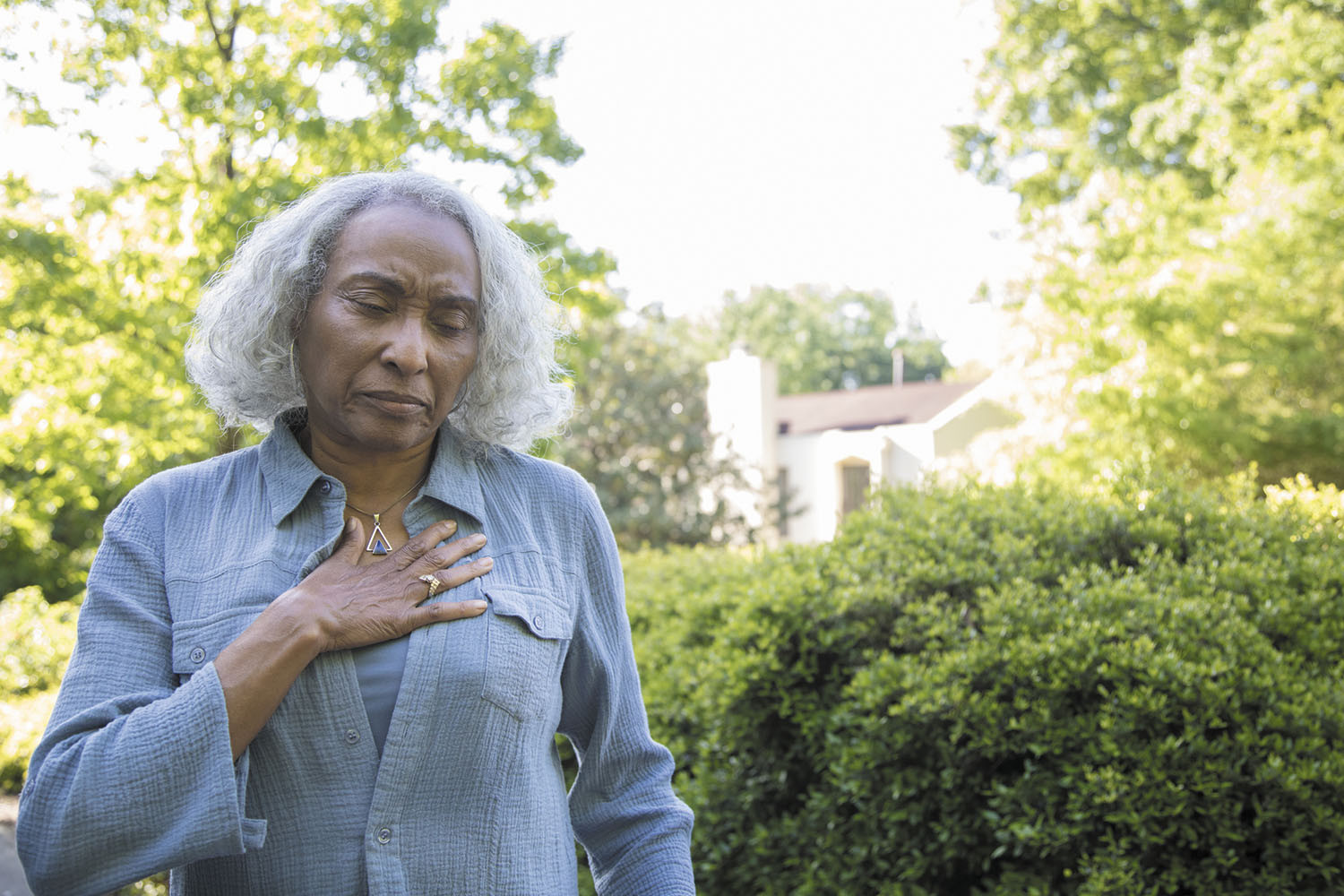
An unusual type of heart attack
Ask the doctor
Image: © patrickheagney/Getty Images
Q. Is it possible to have a heart attack even if you don't have any blockages in your heart's arteries?
A. Yes, you can. Doctors refer to heart attacks without blocked arteries as MINOCA, which stands for myocardial infarction (that is, heart attack) with non-obstructive coronary arteries. When it occurs, people may experience typical heart attack symptoms, such as chest pressure or pain in the center of the chest (or the arms, jaw, neck, or stomach) and trouble breathing. They also have elevated blood levels of a protein called troponin, a marker of heart damage that is used to diagnose a heart attack. But the next test — a special x-ray of the heart's arteries called an angiogram — shows no evidence of a significant buildup of fatty plaque blocking any of the heart's arteries.

How to spot questionable nutrition advice
The Internet is rife with dubious dietary advice for heart health. Here's how to separate the wheat from the chaff.
Image: © mixetto/Getty Images
Surfing the Web nearly always involves running into a few ads, blogs, and articles about diet and health. Perhaps you also have relatives or friends who send you links about what you should (or shouldn't) be eating to lose weight, lower your blood pressure, or dodge heart disease.
You might be skeptical enough to avoid clicking on suspicious links, like those once-popular ads promising "one weird trick to banish belly fat." Yet sometimes the advice appears to be from a legitimate source — for instance, a purported world-class heart surgeon who's written books about diet and nutrition. But what if the recommendations run counter to what you've mostly heard about a heart-healthy diet? It's no wonder many people feel confused and frustrated about nutrition.

Walk this way
How fast is fast enough? About 100 steps per minute might be a reasonable goal, but your mileage may vary.
Image: © Kali Nine LLC/Getty Images
Walking can be a wonderful way to get exercise. But do you ever wonder if you're moving briskly enough to benefit your heart? There's a quite a difference between a leisurely neighborhood stroll and a purposeful gait when you're late for the bus. Now, new research suggests that a pace of about 100 steps per minute qualifies as brisk walking for many people (see "Take this in stride: A study of walking speed").
Using that cadence as a benchmark might make sense for some — but not all — people, says Dr. Beth Frates, who directs wellness programming for the Stroke Research and Recovery Institute at Harvard-affiliated Spaulding Rehabilitation Hospital. "For example, 100 steps per minute could be a good goal for a middle-aged, relatively healthy person who's walking on a mild day when the conditions allow for safe footing." In fact, that pace might even seem a bit slow for a fit person who exercises regularly, she says.

Managing mitral valve disease: Progress and promise
Operations to fix faulty mitral valves are on the rise. But less invasive nonsurgical strategies are under development.
The mitral valve — so named because it resembles a miter, a bishop's formal headdress — sits between the two chambers on the left side of your heart. Inherited conditions, diseases, or a combination of the two can cause changes in the size, shape, flexibility, or mechanics of the mitral valve, leaving it unable to close properly. When that happens, blood may flow backward between heartbeats, a problem called regurgitation.
While mild cases are generally harmless and cause no symptoms, more severe cases can increase the heart's workload, leading to breathlessness, fatigue, and other symptoms. Mitral valve regurgitation also produces a distinct sound (heart murmur) that a doctor may hear through a stethoscope.
CoQ10: Should you take this popular supplement if you're on a statin?
Oat vs. dairy milk: Nutrition, benefits, and downsides
Microplastics: A hidden health threat?
Healing after food poisoning
What is tempeh? Benefits, nutrition, and how to use it
Light exposure at night may raise risk for heart disease
Whole grains may improve several heart risk factors at once
A lumbar belt may help ease low back pain
Children of centenarians may stay healthier and live longer too, study finds
Signs of pneumonia: Sometimes vague and unexpected
Free Healthbeat Signup
Get the latest in health news delivered to your inbox!
Sign Up
