

Even a little exercise linked with lower stroke risk in people with afib

Testosterone therapy without evidence of deficiency may boost heart risk

Weight-loss drug may lower risk of heart attacks and infections

What to eat on the DASH diet

Migraine: How it's diagnosed and what that means

Tricep workouts you can do at home

Mindfulness practices to reduce stress and improve focus

Antihistamines may not offer meaningful relief from eczema symptoms

Overweight and taking blood pressure medications: Study finds it's a trend that's working

FDA approves first mRNA-based flu vaccine
Heart Attack Archive
Articles

What's driving heart attacks in younger adults?
Seven factors appear to account for most first heart attacks in people ages 55 and younger: diabetes, depression, high blood pressure, current smoking, family history of early heart attack, low household income, and high cholesterol.

Artificial intelligence: Advancing into cardiology
Machine learning, a key aspect of artificial intelligence (AI), may improve the diagnosis of heart disease by analyzing large amounts of data from chest CT scans, echocardiograms, and electrocardiograms. By recognizing patterns, the machine "learns" and becomes more accurate over time. Current projects include diagnosing coronary artery disease with stress echocardiography and detecting multiple heart rhythm disorders from electrocardiograms in different formats and layouts.

Meal of the month: Summer supper on the grill
A backyard barbeque can be a good way for people to include more vegetables in their evening meal. Good choices include whole portabella mushroom caps, asparagus, sweet peppers, onions, and zucchini.

What happens during electrical cardioversion?
Electrical cardioversion is a procedure that uses low-energy shocks to convert a rapid or irregular heartbeat back to a normal rhythm. People remain asleep during the brief procedure, so they don't feel anything.

Too little sleep may be hard on your heart
Not getting sufficient sleep may harm the cardiovascular system by triggering physiological and hormonal changes that increase blood pressure, blood sugar, and blood levels of substances that indicate inflammation. People who don't regularly get at least seven hours of sleep a night should assess their daily habits to look for ways to improve, such as by establishing an earlier bedtime and turning off all electronic devices at least an hour before bedtime.
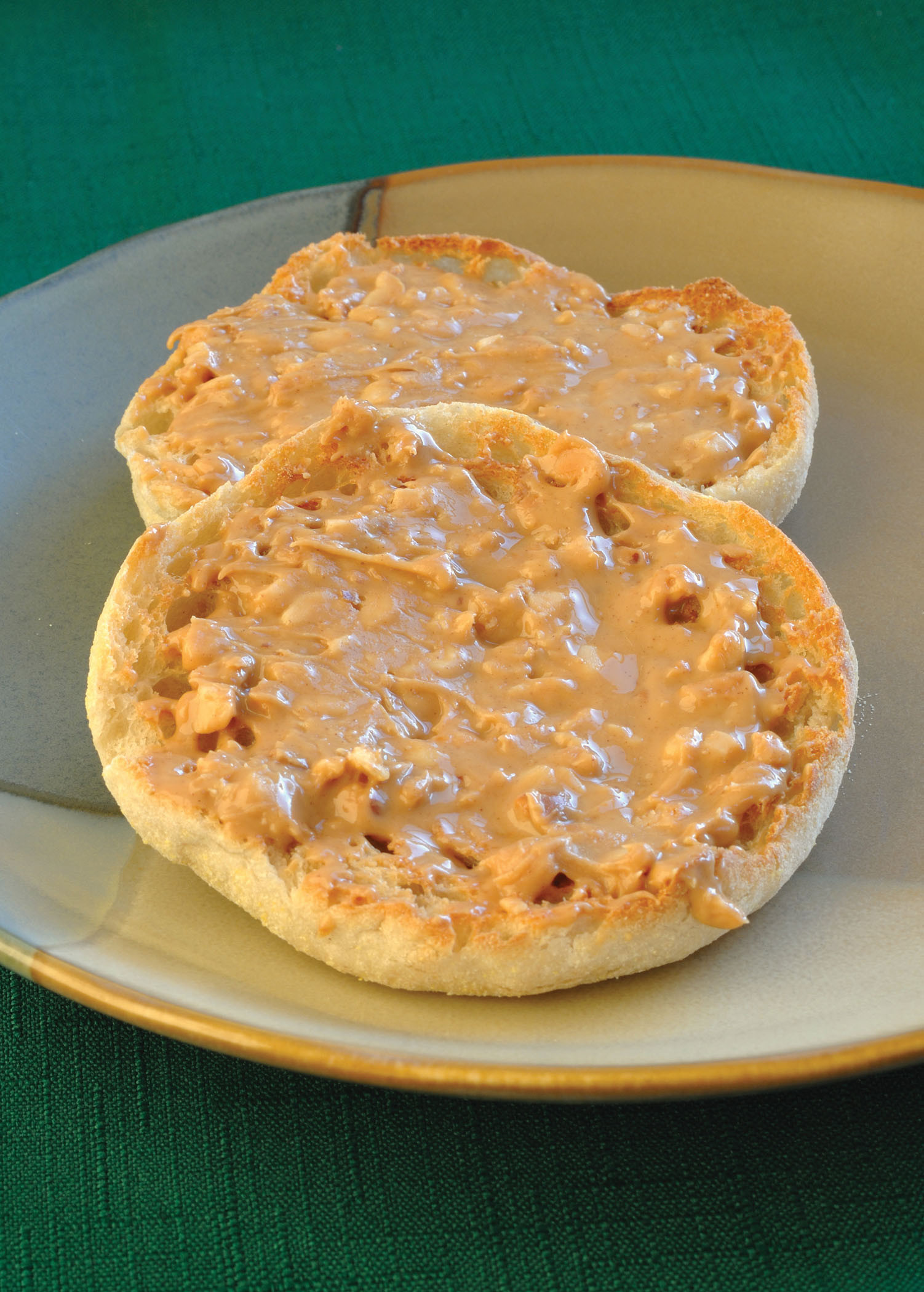
How a fiber-rich diet promotes heart health
Fiber-rich diets may lower the risk of heart attack and stroke, in part by decreasing inflammation. This benefit appears to be facilitated by the breakdown of prebiotic fiber in the gut microbiome to create short-chain fatty acids. These compounds circulate through the bloodstream and interact with specific receptors on cells that quell inflammation. Short-chain fatty acids may also play a role in keeping blood sugar, blood pressure, and cholesterol levels in check, as well as helping to prevent harmful blood clotting.

A safer way to diagnose coronary artery disease?
Cardiac CT angiography (CCTA), a noninvasive test to check for clogged heart arteries, is now considered a first-line test for people with suspected heart disease. This test uses a CT scanner, which takes multiple, rapid x-rays that are merged together to create a detailed, three-dimensional view of the heart's arteries. CCTA appears to be just as effective as traditional angiography for detecting and preventing heart attacks, strokes, and death from heart disease, but with fewer procedure-related risks.

Why don't more people know CPR?
Fewer than half of people who experience cardiac arrest outside of a hospital receive CPR from someone nearby. Shorter, more accessible training and help from technology may encourage more people to learn and administer this lifesaving technique. Another potential barrier to performing CPR is not recognizing the symptoms of cardiac arrest. Common mistakes include pressing down on the stomach instead of the center of the chest, not compressing the chest deeply enough, or giving compressions that are either too fast or too slow.

Stroke risk rises in people who develop depression after a heart attack
A 2022 study found that people who have depression after a heart attack are nearly 50% more likely to suffer a stroke compared with heart attack survivors who don't develop depression.

The ABCs of atrial fibrillation
About one in 11 men ages 65 and older has atrial fibrillation (afib), a heart rhythm disorder that causes an irregular and often faster-than-normal heartbeat. Afib can be persistent and chronic, or it can happen intermittently. People might have no symptoms with either variety, or afib can cause lightheadedness, shortness of breath, chest pain, or extreme fatigue. But the biggest worry is a fivefold increased risk of stroke. The main treatment choices for people are rate control with medication, or rhythm control, done with medication or a procedure such as electrical cardioversion or catheter ablation.
Even a little exercise linked with lower stroke risk in people with afib
Testosterone therapy without evidence of deficiency may boost heart risk
Weight-loss drug may lower risk of heart attacks and infections
What to eat on the DASH diet
Migraine: How it's diagnosed and what that means
Tricep workouts you can do at home
Mindfulness practices to reduce stress and improve focus
Antihistamines may not offer meaningful relief from eczema symptoms
Overweight and taking blood pressure medications: Study finds it's a trend that's working
FDA approves first mRNA-based flu vaccine
Free Healthbeat Signup
Get the latest in health news delivered to your inbox!
Sign Up
