

Even a little exercise linked with lower stroke risk in people with afib

Testosterone therapy without evidence of deficiency may boost heart risk

Weight-loss drug may lower risk of heart attacks and infections

What to eat on the DASH diet

Migraine: How it's diagnosed and what that means

Tricep workouts you can do at home

Mindfulness practices to reduce stress and improve focus

Antihistamines may not offer meaningful relief from eczema symptoms

Overweight and taking blood pressure medications: Study finds it's a trend that's working

FDA approves first mRNA-based flu vaccine
Heart Attack Archive
Articles

The heart disease gender gap
Women don't fare as well as men when it comes to getting treatment for coronary artery disease. Social and cultural factors may help explain this discrepancy. Women tend to downplay their symptoms and delay seeking treatment. But health care providers may be contributing to this problem, too A major underlying issue may be the underrepresentation of women in clinical trials of heart-related conditions.

The lowdown on "good" cholesterol
Long touted as beneficial for heart health, high-density lipoprotein (HDL) is more complicated than experts once thought. Some forms of HDL grab cholesterol from the bloodstream and other tissues and transport it to the liver, where it's recycled or disposed, but other types are neutral or perform the opposite action. Most drugs that raise HDL don't seem to prevent heart disease, and very high HDL levels may even be linked to a higher risk.

Putting potassium in perspective
Too much or too little potassium can harm the heart. Diet, medications, and kidney function can affect the body's potassium level. Dietary potassium helps keep blood pressure in a normal range, but most Americans don't consume enough of this mineral. However, people taking medications that raise potassium levels—which includes certain drugs to treat high blood pressure and heart failure—should avoid salt substitutes made with potassium chloride.

What does the flu have to do with the heart?
For some people, the effects of the influenza (flu) virus can lead to a heart attack or cardiac arrest (sudden death). These people typically have reduced blood flow to the heart due to atherosclerosis (narrowed arteries). Because the flu can cause blood oxygen levels to drop to dangerously low levels, it can further reduce the supply of oxygen to the heart, causing a heart attack or cardiac arrest. Fortunately, getting an annual flu shot is associated with reduced risks of a heart attack and related cardiac events.

How does marijuana affect the heart?
An estimated two million people in the United States with cardiovascular disease currently use or have used marijuana. Converging (yet limited) evidence suggests the drug may be harmful to the heart. Marijuana can cause the heart to beat faster and blood pressure to rise. Heart attack risk also appears to rise in the hour after smoking marijuana, and the drug has also been linked to an increased likelihood of atrial fibrillation and stroke.

A new drug to treat heart failure
Most people with heart failure (or those at high risk for it) need several medications to treat their symptoms. New guidelines from the American College of Cardiology/American Heart Association have added another drug class to the treatment list: a group of diabetes drugs called sodium-glucose cotransporter-2 (SGLT-2) inhibitors. SGLT-2 inhibitors offer multiple benefits, such as helping to reduce swelling, lowering high blood pressure, assisting with weight loss, reducing complications associated with heart failure, and preventing hospitalization.

What is the ideal blood pressure number?
Recent guidelines suggest a blood pressure reading of less than 120/80 mm Hg as normal. But the ideal number for individuals depends on their individual goals and whether they also have a chronic condition, such as heart disease or kidney disease.

More benefits of a Mediterranean diet
A randomized trial published May 14, 2022, in The Lancet found that people with heart disease who ate a Mediterranean diet for seven years had a 26% lower risk of having a heart attack or stroke, compared with people who ate a low-fat diet.
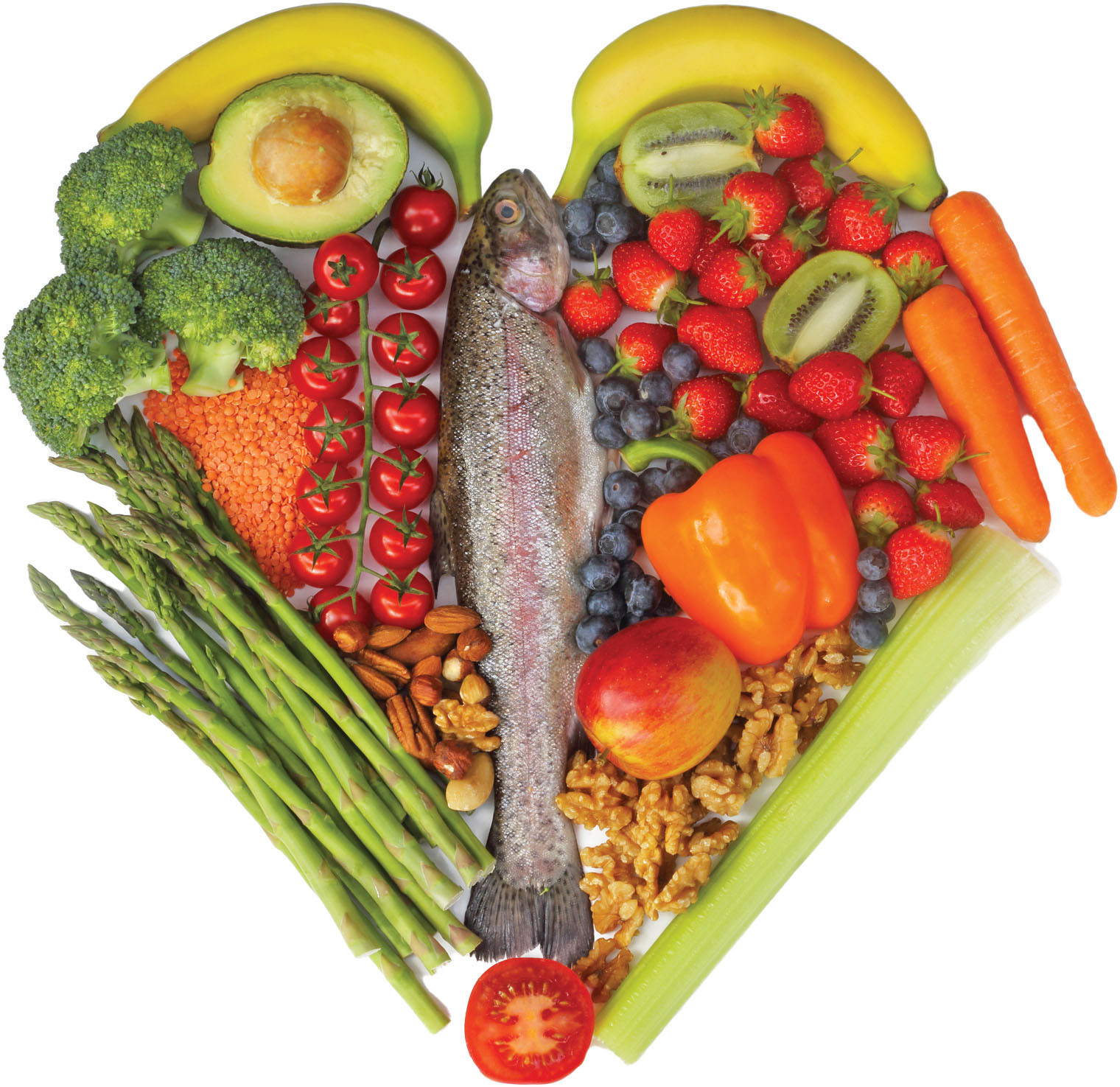
Preventing repeat heart attacks: Mediterranean vs. low-fat diet
For people with heart disease, a Mediterranean diet prevents future heart problems better than a low-fat diet.

Happy heart syndrome: Even positive stress can affect the heart
Grief, fear, conflict, or other negative emotions can lead to an unusual type of heart attack, commonly known as broken heart syndrome. Rarely, positive emotions can also trigger the problem—and this "happy heart syndrome" may be more prevalent among men.
Even a little exercise linked with lower stroke risk in people with afib
Testosterone therapy without evidence of deficiency may boost heart risk
Weight-loss drug may lower risk of heart attacks and infections
What to eat on the DASH diet
Migraine: How it's diagnosed and what that means
Tricep workouts you can do at home
Mindfulness practices to reduce stress and improve focus
Antihistamines may not offer meaningful relief from eczema symptoms
Overweight and taking blood pressure medications: Study finds it's a trend that's working
FDA approves first mRNA-based flu vaccine
Free Healthbeat Signup
Get the latest in health news delivered to your inbox!
Sign Up
