

Fatty liver disease: Should you be tested?

Even a little exercise linked with lower stroke risk in people with afib

Testosterone therapy without evidence of deficiency may boost heart risk

Weight-loss drug may lower risk of heart attacks and infections

Migraine: How it's diagnosed and what that means

Tricep workouts you can do at home

Mindfulness practices to reduce stress and improve focus

Antihistamines may not offer meaningful relief from eczema symptoms

Overweight and taking blood pressure medications: Study finds it's a trend that's working

FDA approves first mRNA-based flu vaccine
Healthy eating for older adults Archive
Articles

How much calcium do you really need?
500 to 700 milligrams of calcium through diet and 800 to 1,000 of vitamin D as a supplement should be adequate to preserve bone density.
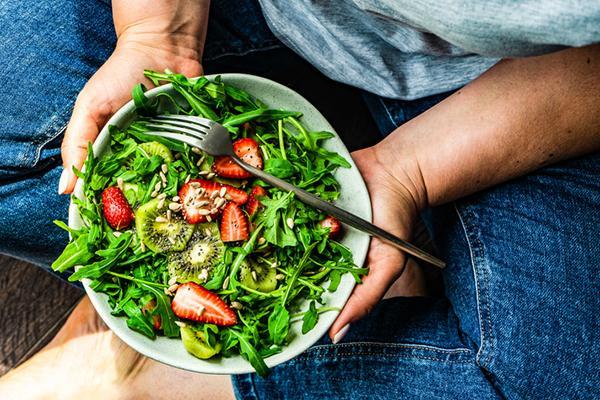
MIND diet may slow age-related brain changes
A long-running study found that closely following the MIND Diet was linked with significantly slower age-related brain changes, including 20% less shrinkage in grey matter—equivalent to slowing brain aging by 2.5 years. However, it’s not known if these changes translate to better brain function.
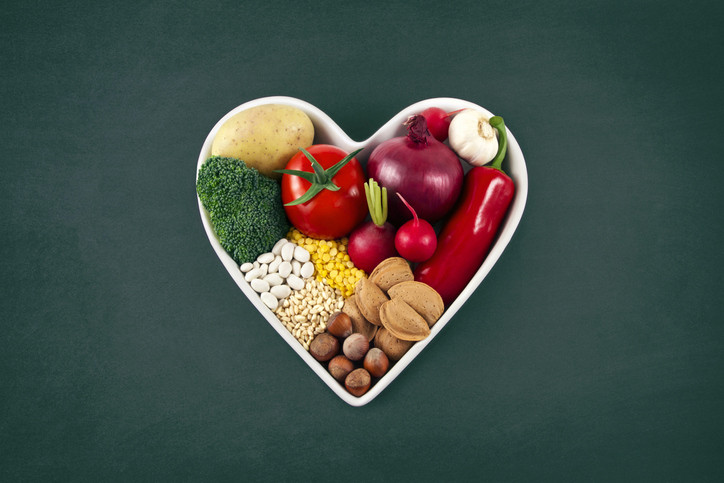
3 easy ways to eat a healthier diet
The very best intentions for healthy eating can fail if a new diet is too ambitious or restrictive. Taking small, easy steps toward healthier eating-and taking them one at a time-can help you make lasting changes.

Taking too much vitamin D can cloud its benefits and create health risks
Vitamin D supplements have been growing in popularity, but they're not always needed or taken in the correct doses.

Quick-start guide to an anti-inflammation diet
There are a number of steps to take when starting an anti-inflammation diet, such as the Mediterranean diet. The steps boil down to some dos and don’ts. For example, don’t eat processed foods such as microwaveable dinners, hot dogs, white bread, dehydrated soups, baked goods, sugary cereals, processed meats, biscuits, and sauces. But do eat a diet of whole, unprocessed foods such as fruits, vegetables, whole grains, legumes (beans, lentils), fish, poultry, nuts, seeds, a little bit of low-fat dairy, olive oil, spices, and herbs.

Time to try intermittent fasting?
Intermittent fasting-a diet that focuses on when rather than what a person eats-may be a good way to lose weight and improve cardiovascular health. One version, time-restricted feeding, involves eating only during a certain time window (usually eight hours) over a single day; another approach limits a person to just 400 to 600 calories daily for several days over the course of a week. The diet may reduce risk factors linked to heart disease, including type 2 diabetes, high blood pressure, unhealthy blood lipid levels, and inflammation.
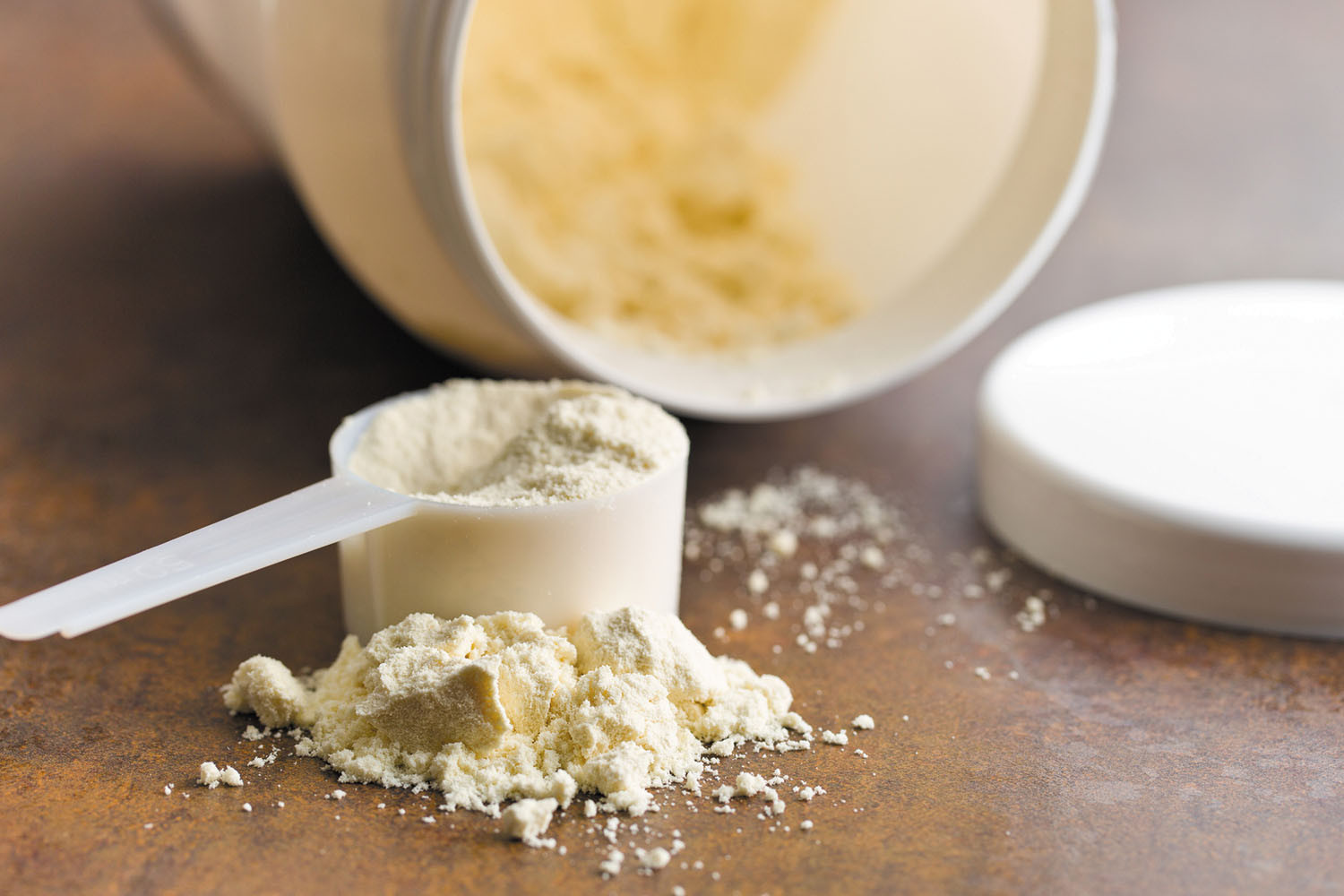
The hidden dangers of protein powders
Protein powder supplements can harbor health risks. They're recommended only for certain conditions, such as impaired appetite or wounds that are resistant to healing.


How to increase appetite
Appetite tends to decline with age, but this can lead to unwanted weight loss and frailty. Tips to boost a weak appetite include eating smaller, more frequent meals; prioritizing protein; staying active; making meals social and pleasurable; and relaxing overly strict dietary rules.
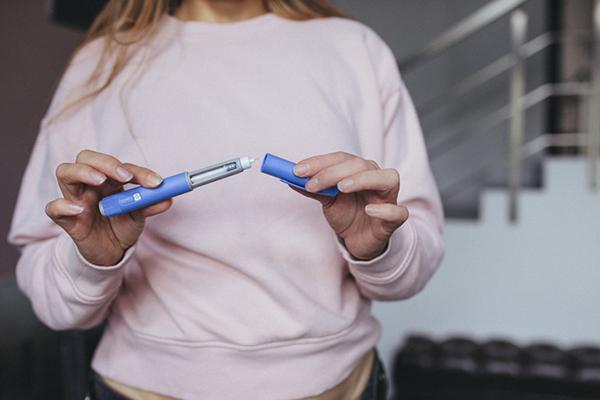
Study: Taking GLP-1 drugs may increase risk of key nutrient deficiencies
A 2026 review of six studies found that people with diabetes or obesity taking GLP-1 medications were prone to developing a number of nutrient deficiencies, particularly in vitamin D, iron, and B vitamins.
Fatty liver disease: Should you be tested?
Even a little exercise linked with lower stroke risk in people with afib
Testosterone therapy without evidence of deficiency may boost heart risk
Weight-loss drug may lower risk of heart attacks and infections
Migraine: How it's diagnosed and what that means
Tricep workouts you can do at home
Mindfulness practices to reduce stress and improve focus
Antihistamines may not offer meaningful relief from eczema symptoms
Overweight and taking blood pressure medications: Study finds it's a trend that's working
FDA approves first mRNA-based flu vaccine
Free Healthbeat Signup
Get the latest in health news delivered to your inbox!
Sign Up
