

Fatty liver disease: Should you be tested?

Weight-loss drug may lower risk of heart attacks and infections

Testosterone therapy without evidence of deficiency may boost heart risk

Even a little exercise linked with lower stroke risk in people with afib

Antihistamines may not offer meaningful relief from eczema symptoms

What to eat on the DASH diet

Tricep workouts you can do at home

FDA approves first mRNA-based flu vaccine

Migraine: How it's diagnosed and what that means

Mindfulness practices to reduce stress and improve focus
Healthy eating for older adults Archive
Articles

Fatty liver disease and your heart
About one in three adults has nonalcoholic fatty liver disease, an often-silent condition closely linked to heart disease.
Image: decade3d/ iStock
The largest organ inside your body, your liver performs hundreds of vital functions. It converts food into fuel, processes cholesterol, clears harmful toxins from the blood, and makes proteins that help your blood clot, to name a few. But an alarming number of Americans have a potentially dangerous accumulation of fat inside their livers. Known as nonalcoholic fatty liver disease (NAFLD), this condition is a leading cause of chronic liver disease in the United States—and an increasingly recognized contributor to heart disease.
"NAFLD increases the risk of heart disease independent of other traditional risk factors such as high blood pressure and cholesterol," says Dr. Kathleen Corey, director of the Fatty Liver Disease Clinic at Massachusetts General Hospital. Among people with NAFLD, heart disease is the top killer, accounting for more than 25% of deaths.

The power of plant-based protein: A longer life?
People who eat more plant-based proteins from beans, nuts, and grains may have a lower risk of dying from heart disease or any cause, compared with people who eat more animal-based proteins such as meat or eggs.

Exercise as an antidote for excessive sitting?
Sitting for more than eight hours a day and exercising very little has been linked to a higher risk of heart disease and early death. An hour of moderate-intensity exercise may lessen that risk.

Cancer and diet: What’s the connection?
Your dietary habits can promote cancer or protect against it.
Image: Udra/ Thinkstock
The link between cancer and diet is just as mysterious as the disease itself. Much research has pointed toward certain foods and nutrients that may help prevent—or, conversely, contribute to—certain types of cancer.
While there are many factors you can't change that increase your cancer risk, such as genetics and environment, there are others you can control. In fact, estimates suggest that less than 30% of a person's lifetime risk of getting cancer results from uncontrollable factors. The rest you have the power to change, including your diet.

Whole grains associated with lower death rates
Eating 70 grams (four servings) of whole grains daily may lower your risk of death from cardiovascular disease and cancer, according to a study in Circulation. One serving of 100% whole-grain food contains about 16 grams. Examples include one slice of 100% whole-grain bread or a half cup of oatmeal or cooked whole-grain pasta.
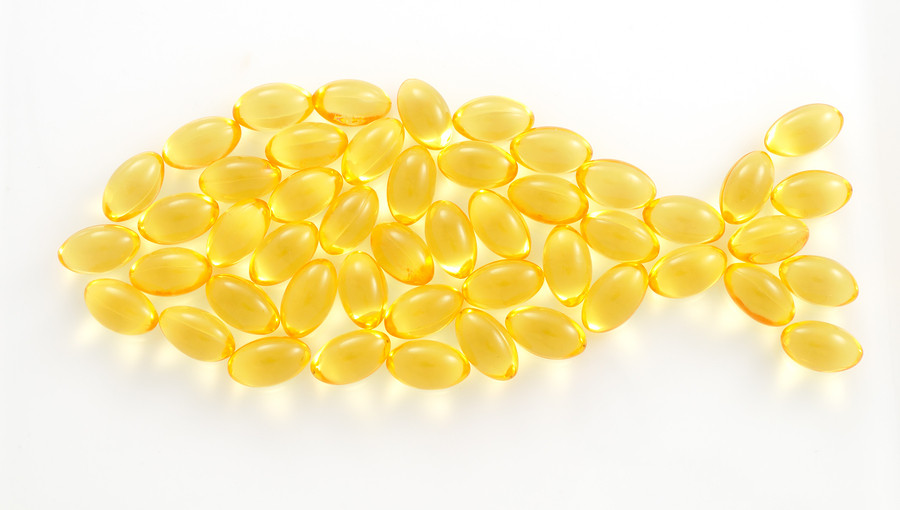
Do fish oil supplements reduce inflammation?
There is no conclusive evidence that fish oil supplements reduce inflammation. Diets rich in omega-3 fatty acids are a better bet.

Irrigation better than steam in relieving nasal symptoms
Nasal irrigation using a neti pot was more effective than inhaling steam in relieving chronic sinus symptoms in a large randomized study.

Substituting plant for animal protein may extend life for people with health risks
An analysis of two observational studies involving 130,000 participants suggests that substituting plant protein for some animal protein may reduce the risk of early death by one-third in people with unhealthy lifestyles.


Fatty liver disease: Should you be tested?
Weight-loss drug may lower risk of heart attacks and infections
Testosterone therapy without evidence of deficiency may boost heart risk
Even a little exercise linked with lower stroke risk in people with afib
Antihistamines may not offer meaningful relief from eczema symptoms
What to eat on the DASH diet
Tricep workouts you can do at home
FDA approves first mRNA-based flu vaccine
Migraine: How it's diagnosed and what that means
Mindfulness practices to reduce stress and improve focus
Free Healthbeat Signup
Get the latest in health news delivered to your inbox!
Sign Up
