

Fatty liver disease: Should you be tested?

Weight-loss drug may lower risk of heart attacks and infections

Testosterone therapy without evidence of deficiency may boost heart risk

Even a little exercise linked with lower stroke risk in people with afib

Antihistamines may not offer meaningful relief from eczema symptoms

What to eat on the DASH diet

Tricep workouts you can do at home

FDA approves first mRNA-based flu vaccine

Migraine: How it's diagnosed and what that means

Mindfulness practices to reduce stress and improve focus
Healthy eating for older adults Archive
Articles

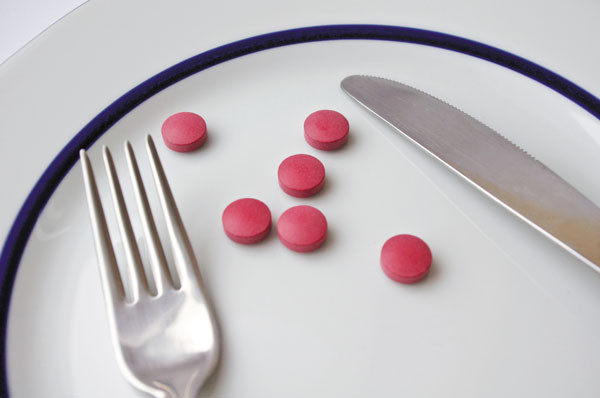
Are your medications causing nutrient deficiency?
Long-term doses of certain medications may rob you of calcium, folic acid, and crucial B vitamins.
Short-term medication use will not lead to nutrient deficiency. But long-term use may interfere with your body's ability to absorb nutrients or produce them.
Image: Gruzdaitis Andrius/Thinkstock
Medications are well known for causing side effects such as nausea or drowsiness. These are the kinds of side effects you notice and can do something about. But sometimes a lesser known side effect happens without giving you any warning: nutrient deficiency.

The top 5 benefits of cycling
Going for a ride is good for your heart and muscles, and it may improve how you walk, balance, and climb stairs.
Image: DTStockPhotos
They say you never forget how to ride a bike, so maybe it's time to climb aboard a two- or three-wheeler and enjoy the health benefits of cycling. "It's socially oriented, it's fun, and it gets you outside and exercising," says Dr. Clare Safran-Norton, a physical therapist at Harvard-affiliated Brigham and Women's Hospital.
Check out the main physical benefits.
Safety considerations
Get the okay from your doctor before you climb aboard a bike, especially if you have heart disease, arthritis, or thinning bones. "If you have osteoporosis, consider riding a tricycle, which is more stable than a two-wheeler, posing less of a fall risk," says Dr. Safran-Norton. "Don't ride a bike at all if you've had a recent fracture. Another fall could make it worse."
When riding, remember that the seat height should allow a slight bend at your knee. "You don't want a straight knee at the bottom of the pedal stroke, because the bike could be too tall and you could fall off," says Dr. Safran-Norton.
Other tips: Wear a helmet to protect your head; don't use clips to keep your feet on the pedals, which can make injuries worse if you fall; don't ride alone; stick to bike paths instead of riding in the street; stay hydrated before, during, and after your ride; and use sunscreen and sunglasses.
Tips to choose equipmentYou probably know that a helmet is a must for safety. The right type of clothes and bike will also make cycling safer and more comfortable. Cycling clothes. These have high-tech fibers that wick away moisture. They are usually neon-colored, with reflective material so you'll be visible to drivers. Bike shorts have a thick pad or chamois to prevent chafing and provide cushioning. Bikes. Look for one that puts less stress on your body, such as a beach cruiser or comfort bike. They have high-rise handlebars that enable you to sit upright, wide tires for a smooth ride, shock-absorbing seat posts, and low top tubes so you don't have to swing your leg too high to mount the bike (allow at least an inch or two of clearance between you and the tube). If mounting a bike is difficult, there are even "step through" bicycles that feature top tubes just six inches off the ground (see photo). Other bike types include tricycles, which are helpful if you are less stable on your feet, and recumbent bikes that allow you to lean back and ride. "If you have spinal stenosis, a recumbent bike puts your spine in a flexed position and gives you pain relief. But if you have a herniated disk, the bike can make the disk bulge more," says Dr. Clare Safran-Norton, a physical therapist at Harvard-affiliated Brigham and Women's Hospital. Saddle. Get one with extra padding that's wide enough to support the pair of bones you sit on. Go even further with a saddle that relieves pressure on the perineum, the area between those bones, behind the genitals. It's home to nerves and arteries that supply the lower body, and too much pressure here may cause numbness and tingling in the legs. Pressure-relieving saddles may have a "noseless" or horseshoe design. |

Coming to a shelf near you: The new Nutrition Facts labels
Most food manufacturers have until July 2018 to implement the changes.
Nutrition Facts labels on food packages made headlines when the FDA ordered a makeover for them in May of this year. But will the big to-do translate to big changes in the way you make food choices? "I'm hopeful it will," says Kathy McManus, director of the Department of Nutrition at Harvard-affiliated Brigham and Women's Hospital. "It will be great if the labels can get people to look at the numbers and think more about their health."
Grabbing your attention
Comings and goings
The labels will remove the "calories from fat" line while continuing to list types of fat, important since we now know that there are "good fats" (monounsaturated and polyunsaturated) and "bad fats" (saturated and trans fats).
And for the first time, the label will include a line about added sugars, so you'll know how many grams of sweeteners have been added to foods during processing.
Nutrient changes
Do the changes go far enough?
"They are a step in the right direction—but more could be done," McManus says. She'd like to see highlights of the nutrition information (particularly calories) listed on the front of the food product. "Some people don't take the time in the supermarket to read the back of the package. Often, they review the information when they get home and realize it is not the healthiest choice."
And what about whole foods that do not have labels, such as fresh fruits, vegetables, and fish? "It would be helpful to have nutrition facts in the produce and fish sections of the supermarket, informing consumers of the nutrition information, and hopefully promoting these whole foods," says McManus.
For now, she recommends that you take advantage of label information to keep track of how many servings you're eating; look at the number of calories per serving and fit that into your daily calorie goal; choose foods that are higher in fiber; limit or avoid foods with added sugars (the American Heart Association recommends no more than 24 grams of added sugar per day for women and 36 grams for men); and remember that the Daily Value percentages are based on a 2,000-calorie-a-day diet. Modify the percentage if you usually take in fewer or more calories than that.

Eat more whole grains to stay healthy, suggests Harvard study
Boosting intake of whole grains, such as wheat or oats, may reduce the risk of an early death.

A warning about heartburn medications that contain aspirin
The FDA is warning that over-the-counter antacids with aspirin in them can cause stomach bleeding in rare cases.

Don’t skip your next comprehensive, dilated eye exam
It appears that vision impairment and blindness among U.S. adults ages 40 or older will double in the next 35 years, mostly because of an aging population.

The perks of group fitness classes
Fellow exercisers may keep you motivated, and learning proper form can help you avoid injuries.
Image: Purestock/Thinkstock
Is your solo walking or cycling routine getting a little humdrum? Maybe it's time to try a group fitness class at your local gym or community center. Working out with others in a class led by a trained instructor may help you stick to an exercise routine, which is a vital part of keeping your heart healthy.
"We know that in a broad sense, the more fit you are, the longer you live," says Dr. Meagan Wasfy, a cardiologist at the Cardiovascular Performance Program at Harvard-affiliated Massachusetts General Hospital. Exactly how you achieve that fitness doesn't seem to matter—the main thing is making it happen. Group fitness classes, which come in a wide range of styles and intensities, may offer certain advantages toward that goal.

Should you join a research study?
Like legions of earlier volunteers, you could contribute to the quest to improve care for people with heart disease.
Image: Wavebreakmedia/Thinkstock
Imagine getting a letter from a physician based at a nearby academic medical center, telling you about research under way at the institution. It says you might be eligible to participate in a clinical trial designed to test a new blood pressure drug. Or maybe it's a study on the exercise habits of people ages 65 and older.
You're curious, so you check the box indicating that you're interested in learning more and mail it back.

Weight-loss surgery: Moving into new dimensions?
Bariatric surgery can dramatically improve type 2 diabetes and other risks for heart disease.
The latest statistics on obesity suggest that this disease remains a huge problem in the United States: nearly one in three American adults meet the criteria for obesity. What's more, about one in 10 women and one in 20 men are considered extremely obese (see "Obesity in the extreme").
People with extreme obesity face a high risk of cardiovascular disease and myriad other health problems, as well as a shortened life span. Most have struggled with excess weight since childhood or early adulthood, and many have undergone multiple, frustrating attempts to shed pounds. For some, weight-loss surgery (also known as bariatric surgery) may be the best—perhaps only—option for lasting weight loss.
Fatty liver disease: Should you be tested?
Weight-loss drug may lower risk of heart attacks and infections
Testosterone therapy without evidence of deficiency may boost heart risk
Even a little exercise linked with lower stroke risk in people with afib
Antihistamines may not offer meaningful relief from eczema symptoms
What to eat on the DASH diet
Tricep workouts you can do at home
FDA approves first mRNA-based flu vaccine
Migraine: How it's diagnosed and what that means
Mindfulness practices to reduce stress and improve focus
Free Healthbeat Signup
Get the latest in health news delivered to your inbox!
Sign Up
