

Fatty liver disease: Should you be tested?

Even a little exercise linked with lower stroke risk in people with afib

Testosterone therapy without evidence of deficiency may boost heart risk

Weight-loss drug may lower risk of heart attacks and infections

Migraine: How it's diagnosed and what that means

Tricep workouts you can do at home

Mindfulness practices to reduce stress and improve focus

Antihistamines may not offer meaningful relief from eczema symptoms

Overweight and taking blood pressure medications: Study finds it's a trend that's working

FDA approves first mRNA-based flu vaccine
Healthy eating for older adults Archive
Articles
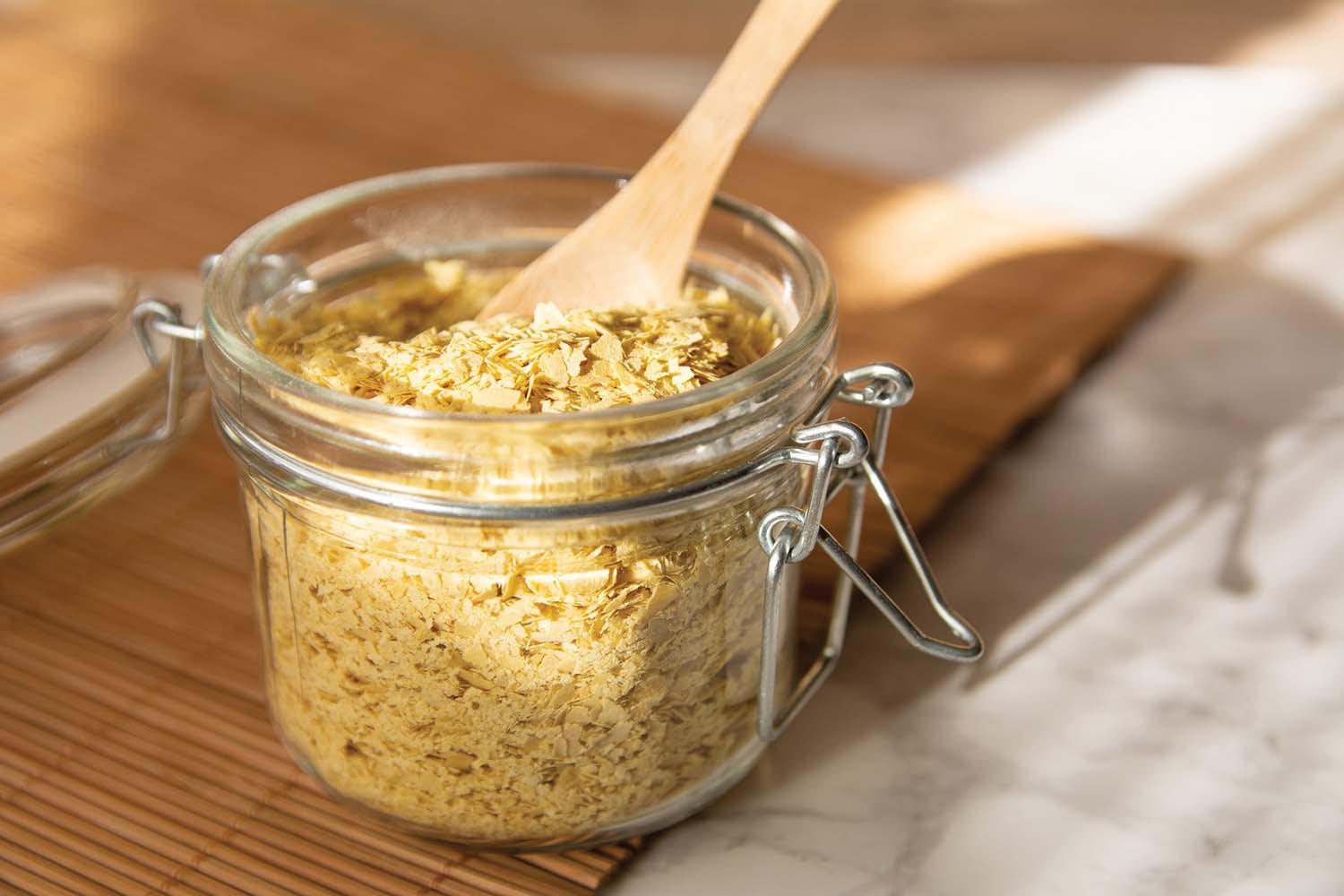
Caution: Sprinkle this savory seasoning with care
Nutritional yeast is a savory condiment that's often heavily fortified with vitamins. Because high doses may cause side effects, interact with some medications, or cause certain health problems, it's best used sparingly as a flavoring, not as a supplement.


Fuzzy memory? Try these strategies
Simple strategies can help someone fight age-related memory slips. Tips include repeating new information by saying it out loud or writing it down a few times; associating an image with someone's name, such as thinking of a bouquet of roses after meeting a person named Rosie; grouping information in chunks, similar to grouping digits in a phone number; and writing information out by hand (as opposed to typing), which forces the brain to process and absorb data.
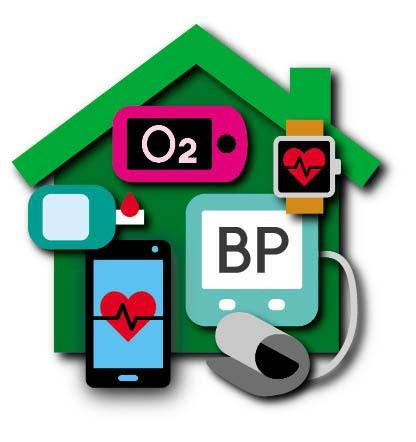
How to use home health monitors
Home health technologies have made it easier for people to monitor their health at home. These handy home devices can track certain health markers, such as blood pressure, blood sugar, heart rhythm, heart rate variability, and oxygen saturation. Checking this information periodically may help some people identify possible problems or manage existing conditions.

How "inflammaging" shapes our health
Inflammaging is chronic, low-grade inflammation throughout the body that occurs with aging. It is believed to accelerate aging and contribute to more than half of all deaths worldwide by driving various age-related diseases such as arthritis, autoimmune conditions, heart disease, cancer, diabetes, and Alzheimer's disease. People can combat inflammaging through healthy lifestyle measures such as exercising, eating healthfully, controlling weight, managing stress, prioritizing sleep, and limiting alcohol and smoking.
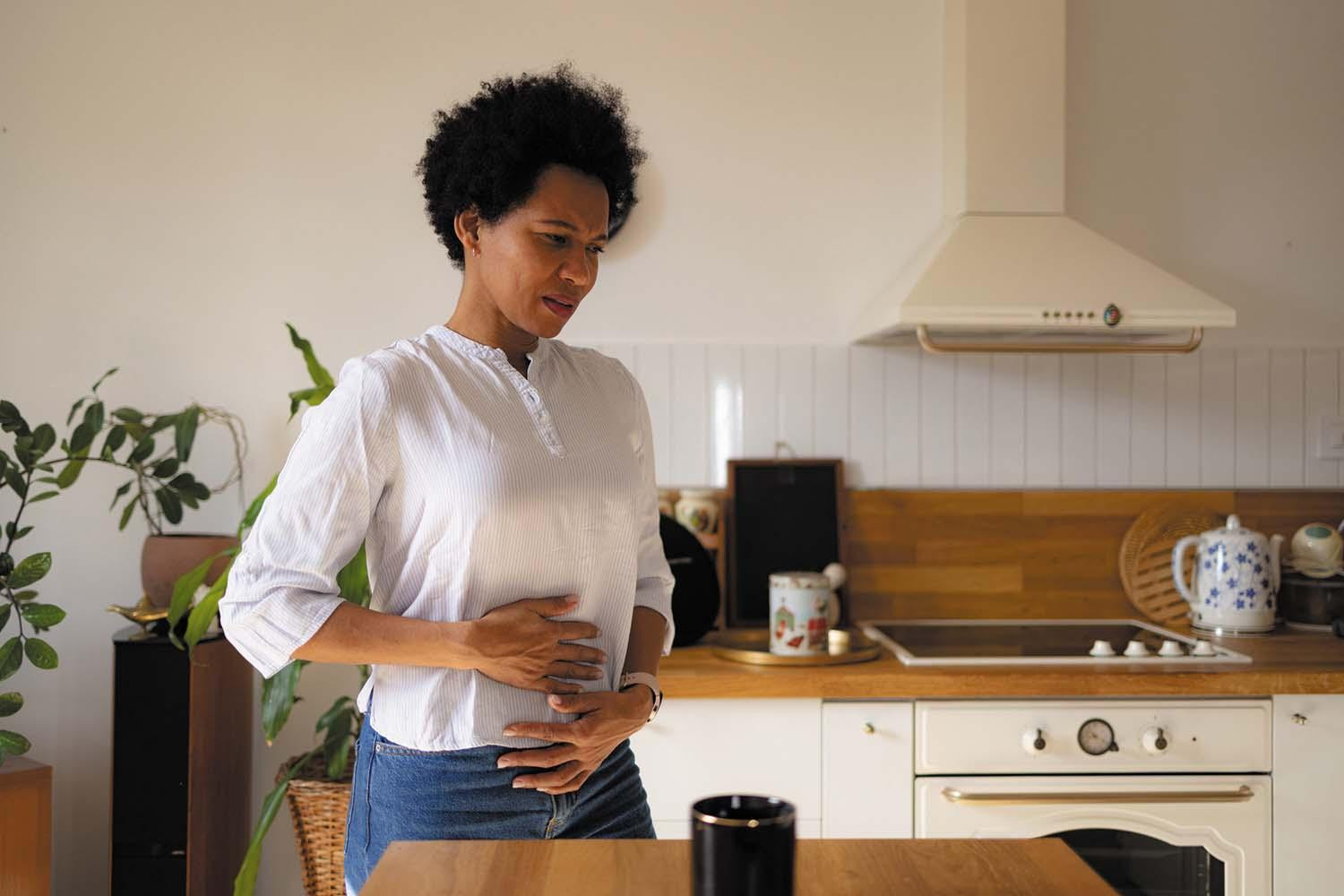
When celiac disease strikes later in life
Celiac disease is an autoimmune digestive condition triggered by gluten, a sticky protein found in grains such as wheat, barley, and rye. Celiac disease is typically diagnosed later in life, and occurs more often in women. Symptoms include intestinal distress, weight loss, rashes, fatigue, and nutrient deficiencies. Celiac patients must adopt a strictly gluten-free diet, which can be challenging after decades of eating gluten. Helpful strategies include creating gluten-free kitchen areas, buying naturally gluten-free items, and examining food labels.
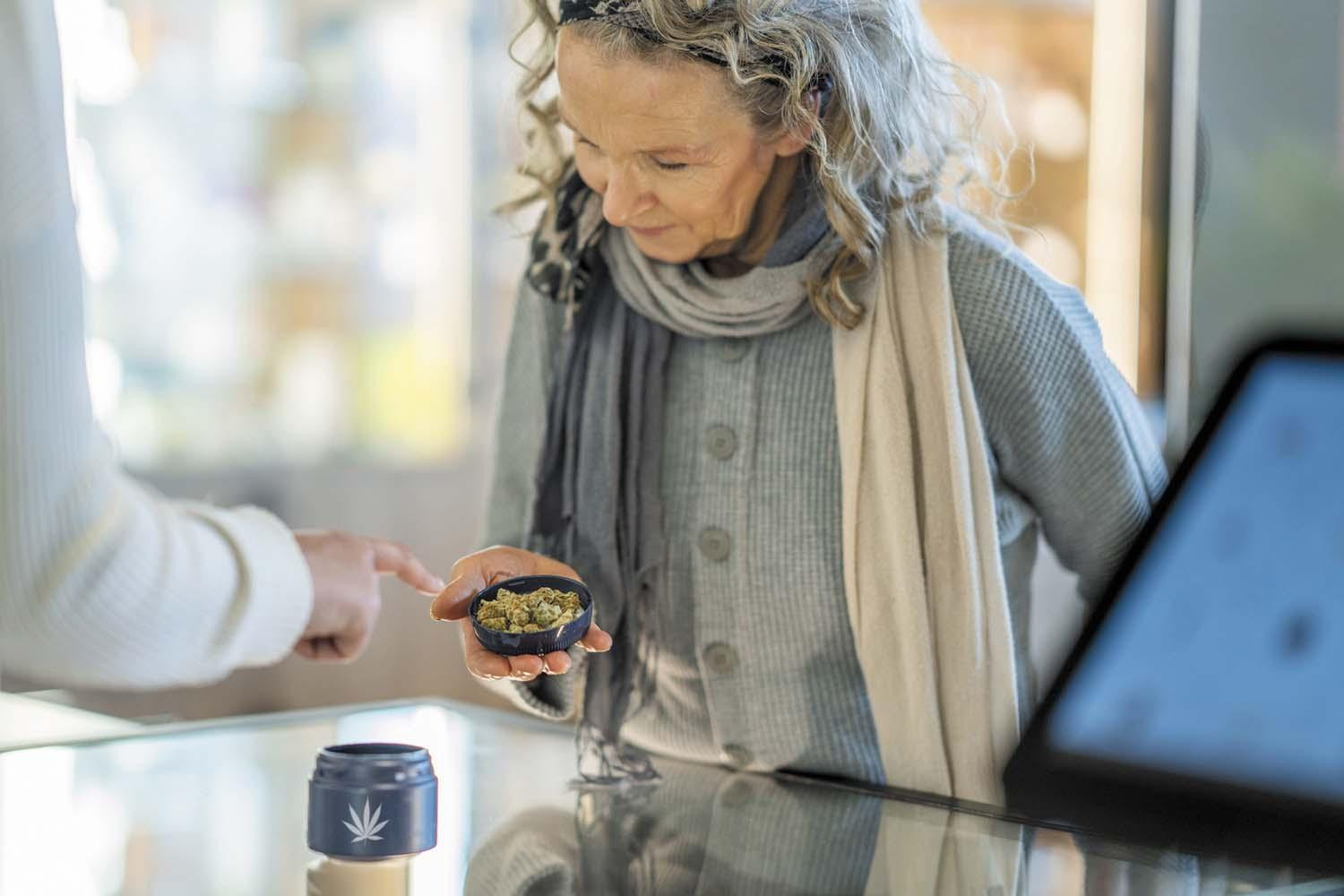
Relief or risk? Using cannabis as we age
Increasing numbers of older adults are using cannabis over recent years. People over 50 report using it to relax, sleep better, feel good, relieve pain, improve mood or mental health, or treat medical conditions. But older adults are more vulnerable to cannabis side effects, such as falls or interactions with prescription and over-the-counter drugs. Many older adults aren't aware that cannabis products today are far more potent than in decades past. Medical visits related to cannabis use rose more than 27-fold among adults 65 and older between 2008 and 2021.

Dealing with a sluggish sex drive
Men and women can experience many age-related changes and health conditions that can cause their sex drives to decline. Couples who deal with mismatched or missing sex drives should communicate about how they can work together to get back in sync. Both partners should share what they enjoy before and during sex, what issues may be hindering their sex drive, and what strategies they can try, such as recreating dating, planning time for intimacy, and exploring new ways to create romantic moods.

The incontinence tool kit
Several tools can help people with incontinence stay dry and comfortable. Tools can include medications; basic supplies, such as protection pads, leakproof underwear, adaptive clothing, and portable urinals; bedwetting alarms; and bathroom locator apps. Some of the most important tools aren't pills or gadgets, but strategies-such as controlling underlying conditions that can lead to incontinence (such as diabetes), weight loss, lifestyle or behavioral changes, and pelvic floor training.

Pickleball-related eye injuries increasing
As the number of pickleball players has grown, so has the number of eye injuries in people ages 50 or older, according to a 2025 study. Such injuries include damage to the eye surface, retinal detachment, or fractures near the eye socket.
Fatty liver disease: Should you be tested?
Even a little exercise linked with lower stroke risk in people with afib
Testosterone therapy without evidence of deficiency may boost heart risk
Weight-loss drug may lower risk of heart attacks and infections
Migraine: How it's diagnosed and what that means
Tricep workouts you can do at home
Mindfulness practices to reduce stress and improve focus
Antihistamines may not offer meaningful relief from eczema symptoms
Overweight and taking blood pressure medications: Study finds it's a trend that's working
FDA approves first mRNA-based flu vaccine
Free Healthbeat Signup
Get the latest in health news delivered to your inbox!
Sign Up
