

Fatty liver disease: Should you be tested?

Even a little exercise linked with lower stroke risk in people with afib

Testosterone therapy without evidence of deficiency may boost heart risk

Weight-loss drug may lower risk of heart attacks and infections

Migraine: How it's diagnosed and what that means

Tricep workouts you can do at home

Mindfulness practices to reduce stress and improve focus

Antihistamines may not offer meaningful relief from eczema symptoms

Overweight and taking blood pressure medications: Study finds it's a trend that's working

FDA approves first mRNA-based flu vaccine
Healthy eating for older adults Archive
Articles

VO2 max: What it is and how you can improve it
VO2 max is a way to gauge how efficiently the body uses oxygen during exercise, offering a window into fitness and long-term health. People can usually improve it over time with consistent aerobic activity, intervals, and smart training changes.
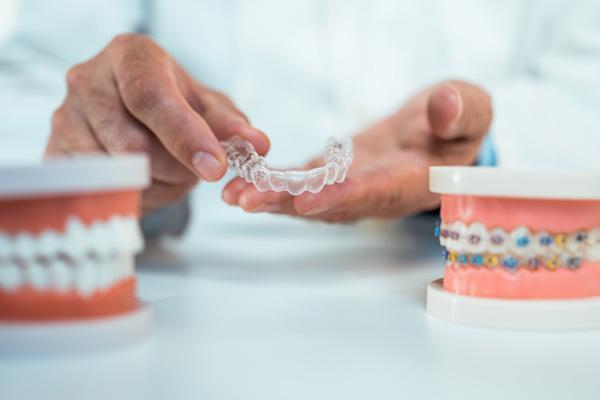
Want to prevent shifting teeth? Maybe you need retainers
Retainers have benefits beyond keeping a nice smile after braces, aligners, or other orthodontic treatment. The appliances help maintain teeth alignment, protecting them from extra wear and tear. Several types of retainers can help. The choice depends on a person's needs and habits.

What you need to know about the new dietary guidelines
The new Dietary Guidelines for Americans are a mixed bag. While their advice to choose whole foods, avoid highly processed foods, and limit added sugars is sound, their promotion of animal-based foods like meat and full-fat dairy products is less supported by rigorous scientific research.

Food that's healthier for people and planet can be cheaper, too
While many people may think that a more sustainable diet is more expensive, a 2025 study suggests that in fact, foods with smaller environmental footprints tend to cost less. Choosing fewer animal-based foods and more plants can be better for health, budgets, and the planet.

New evidence that polyphenol-rich foods help the heart
A 2025 study suggests that polyphenols, found in a wide range of plant foods, may have long-term benefits for the heart. Over an average of 11 years, people whose diets contained the most polyphenol-rich foods ranked lowest on scores of heart disease risk.

8 simple ways to reduce ultra-processed foods in your diet
Cutting back on ultra-processed foods that have little nutritional value can help protect your health, but you don't have to make everything from scratch either. Seek out less-processed versions of your favorite foods at your supermarket to turn into healthy meals with minimal effort.

How to curb your stress eating
Stress eating involves using food as a coping mechanism when life is difficult. Persistently high levels of cortisol can increase appetite, and past experiences can lead people to associate eating with stressful situations. The foods people crave may depend on their form of turmoil.

GERD diet: Foods to avoid to reduce acid reflux
Dietary changes can make a big difference for people with gastroesophageal reflux disease (GERD). Foods to limit or avoid include chocolate, onions, and tomato sauce. Adjusting eating habits-by eating smaller portions, for example-might also help people avoid heartburn and other symptoms.


A measure of balance
People can evaluate their balance and fall risk at home by taking the four-stage balance test. More advanced tests like single-leg standing, heel-to-toe-walking, and timed up and go can also aid in assessing balance and coordination.
Fatty liver disease: Should you be tested?
Even a little exercise linked with lower stroke risk in people with afib
Testosterone therapy without evidence of deficiency may boost heart risk
Weight-loss drug may lower risk of heart attacks and infections
Migraine: How it's diagnosed and what that means
Tricep workouts you can do at home
Mindfulness practices to reduce stress and improve focus
Antihistamines may not offer meaningful relief from eczema symptoms
Overweight and taking blood pressure medications: Study finds it's a trend that's working
FDA approves first mRNA-based flu vaccine
Free Healthbeat Signup
Get the latest in health news delivered to your inbox!
Sign Up
