

Fatty liver disease: Should you be tested?

Even a little exercise linked with lower stroke risk in people with afib

Testosterone therapy without evidence of deficiency may boost heart risk

Weight-loss drug may lower risk of heart attacks and infections

Migraine: How it's diagnosed and what that means

Tricep workouts you can do at home

Mindfulness practices to reduce stress and improve focus

Antihistamines may not offer meaningful relief from eczema symptoms

Overweight and taking blood pressure medications: Study finds it's a trend that's working

FDA approves first mRNA-based flu vaccine
Healthy eating for older adults Archive
Articles

Foods that fight inflammation
Pro-inflammatory foods include fried foods, sodas, refined carbohydrates, and red meat. Green vegetables, berries, whole grains, and fatty fish are thought to combat the inflammatory process.

Resistant starch: Can you make the carbs you eat a little healthier?
Resistant starch causes smaller blood sugar spikes than regular starches, and feeds beneficial gut bacteria. You can increase the resistant starch content of starchy foods by cooking and chilling them, though overall diet quality matters more to blood sugar control than this trick alone.

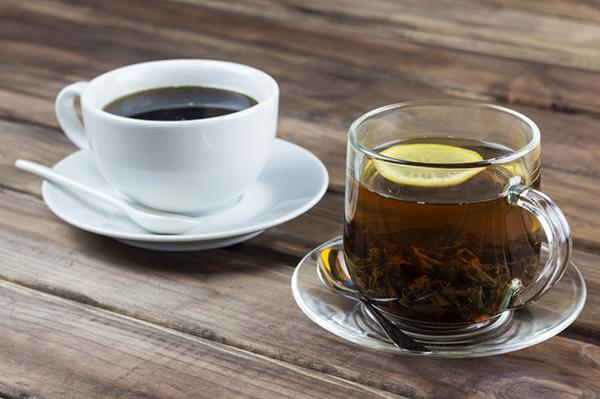
Harvard study: A couple of daily cups of coffee or tea linked to lower dementia risk
A 2026 study found that drinking two to three daily cups of caffeinated coffee, or one to two daily cups of caffeinated tea, was linked to better cognitive health and lower risks of dementia.
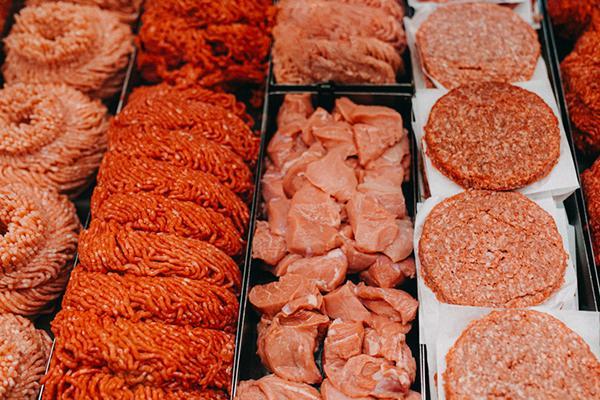
Does everyone benefit from cutting saturated fat in their diet?
A review of 17 studies found that for people at high risk of heart disease, cutting down on saturated fats may have lowered their risk of major cardiac events over the next five years, but people at lower risk did not see similar benefits.

Vitamin B12 deficiency can be sneaky and harmful
Like most vitamins, B12 can't be made by the body and must be gotten from food or supplements. A B12 deficiency -- which might stem from a vegan or vegetarian diet, or problems with absorption due to weight loss surgery or aging -- can seriously harm nerves, mood, thinking, energy, and more.

Are certain fruits healthier than others?
Most people have heard the nutritional recommendation to eat five servings of fruit per day. But are some fruits better for you than others? Is it okay to eat dried or frozen fruit, or to drink fruit juice? Does it have to be organic?

Beyond protein: 6 other nutrients that help prevent muscle loss
While protein is essential to help prevent muscle loss as you age, other nutrients matter, too. Carbohydrates, magnesium, iron, omega-3 fats, and vitamin D work together to support muscle function and prevent muscle breakdown. Getting enough water is also essential for muscle performance and function.

Even small changes in physical activity may boost longevity
A large 2026 study estimated that adding just five minutes a day of moderate to vigorous activity might prevent up to 10% of deaths during an eight-year period. Sitting for 30 minutes or less might prevent up to 7% of deaths.
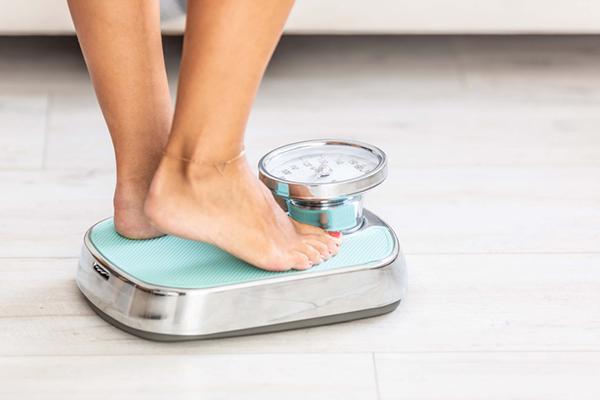
People who stop weight-loss drugs may gain back weight and lose heart benefits
A 2026 study suggested that people who stop taking weight-loss medications rapidly regain weight and lose heart health benefits associated with the drugs.
Fatty liver disease: Should you be tested?
Even a little exercise linked with lower stroke risk in people with afib
Testosterone therapy without evidence of deficiency may boost heart risk
Weight-loss drug may lower risk of heart attacks and infections
Migraine: How it's diagnosed and what that means
Tricep workouts you can do at home
Mindfulness practices to reduce stress and improve focus
Antihistamines may not offer meaningful relief from eczema symptoms
Overweight and taking blood pressure medications: Study finds it's a trend that's working
FDA approves first mRNA-based flu vaccine
Free Healthbeat Signup
Get the latest in health news delivered to your inbox!
Sign Up
