

Naturally gluten-free foods

Harvard study: Healthier fats linked to longer life after prostate cancer diagnosis

Shingrix shingles vaccine linked with lower heart disease risks

Estrogen-only hormone therapy tied to lower dementia risk
Should you have a hysterectomy?

Stair climbing may significantly lower cardiovascular risks

Why do I sweat so much?

Walking pneumonia: The "mild" illness that can still pack a punch

What causes knee pain: How doctors make a diagnosis
Where you carry excess weight matters in predicting heart disease risk
Healthy eating for diabetes Archive
Articles

Eating more ultra-processed foods may shorten life span
In the journals
Need another reason to monitor your intake of ultra-processed foods? Cutting down on your amounts could help you live longer.
In an observational study published online Feb. 11, 2019, by JAMA Internal Medicine, almost 45,000 adults ages 45 and older completed several dietary assessments over a two-year period. On average, ultra-processed foods made up about 15% of their daily diet as measured in grams.
Fried foods linked to earlier death
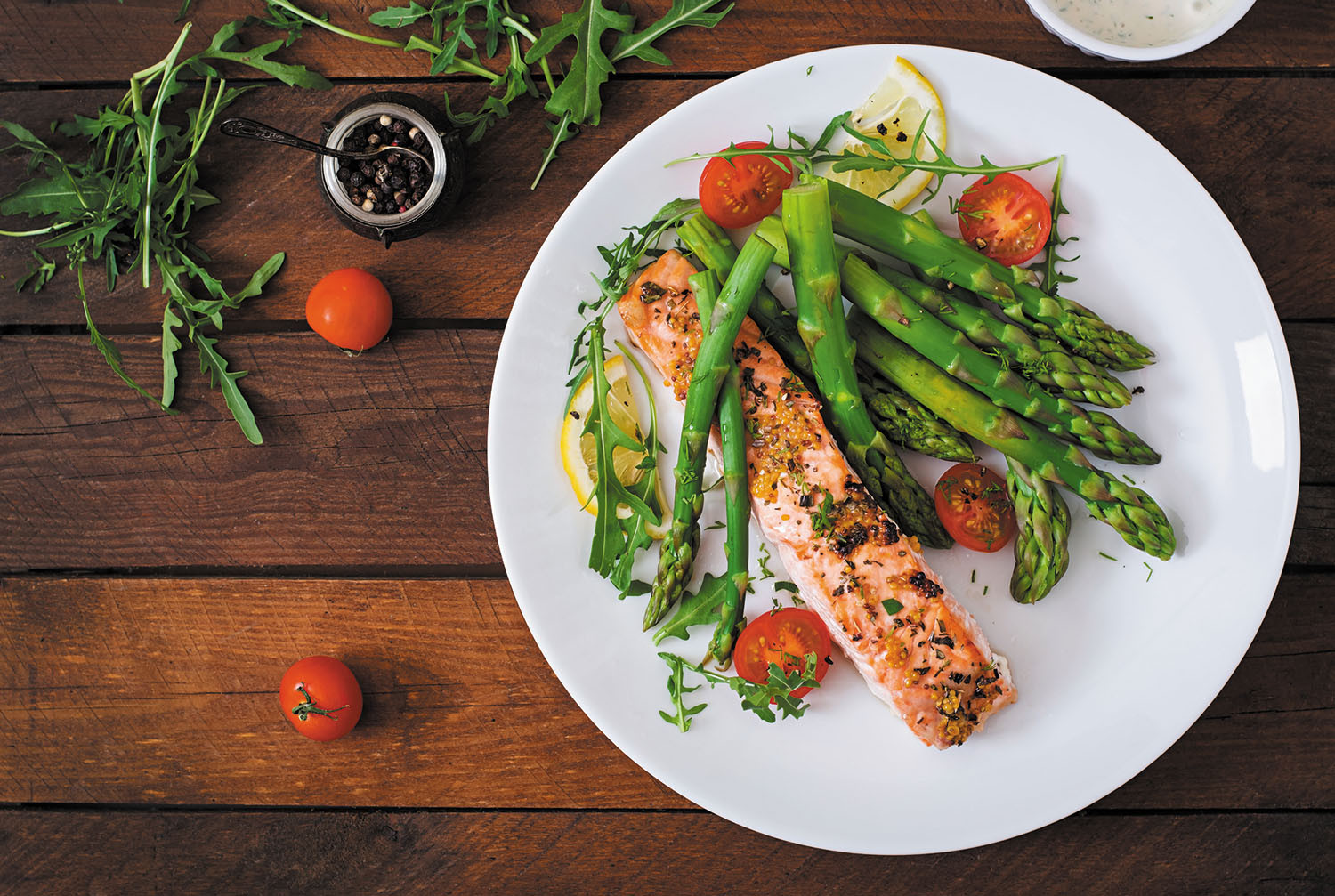
Healthier options, such as baking, can offer similar taste without the health drawbacks.
Fried foods are crunchy, crispy, and tasty, but as tempting as they are, eating them too often might shave years off your life.
A study published online January 23 by The BMJ found that women who ate one or more servings of fried chicken daily were 13% more likely to die prematurely from any cause and 12% more likely to die from heart-related causes than women who didn't eat any fried food.

How a good night's sleep might help your heart
Research we're watching
Sleep has long been known to help protect you against heart disease, and researchers now think they know at least one reason why. A study published online February 13 by the journal Nature looked at how sleep duration and quality relates to the buildup of damaging plaque in the arteries.
Harvard Medical School researchers found that a lack of good sleep boosts the body's production of inflammatory white blood cells that earlier research has linked to fatty buildup in the arteries. This could help explain why sleep problems can lead to arterial buildup. Poor sleep is linked not only to clogged arteries, but also to a host of chronic health conditions, such as cancer, obesity, and diabetes — all good reasons to make sure you get your z's.
Phytonutrients: Paint your plate with the colors of the rainbow
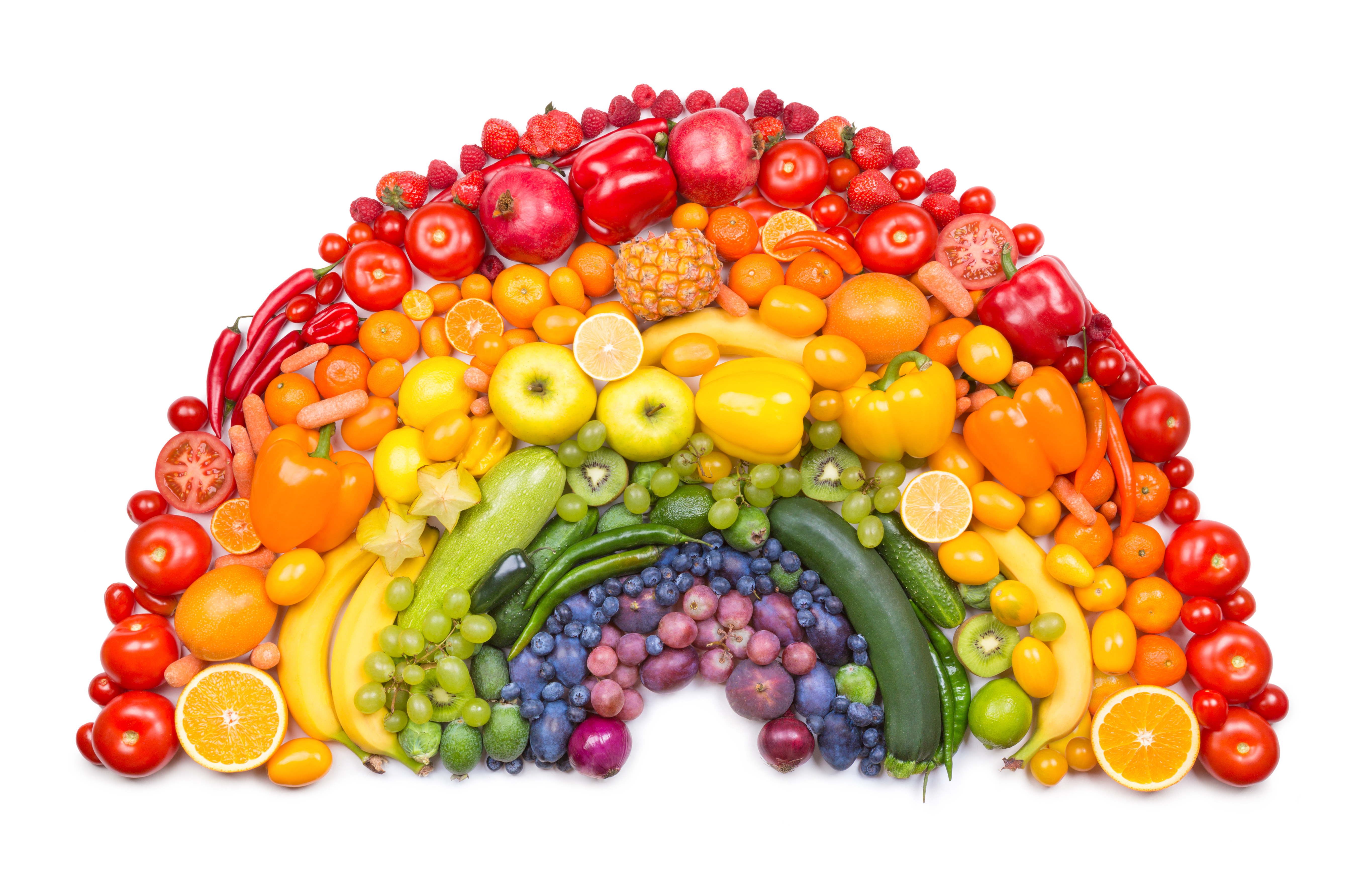
Phytonutrients in fruits and vegetables can protect us from chronic diseases if we eat enough of them. Because different produce contains different phytonutrients, consuming as much of a variety as possible is the best way to benefit from this protection.
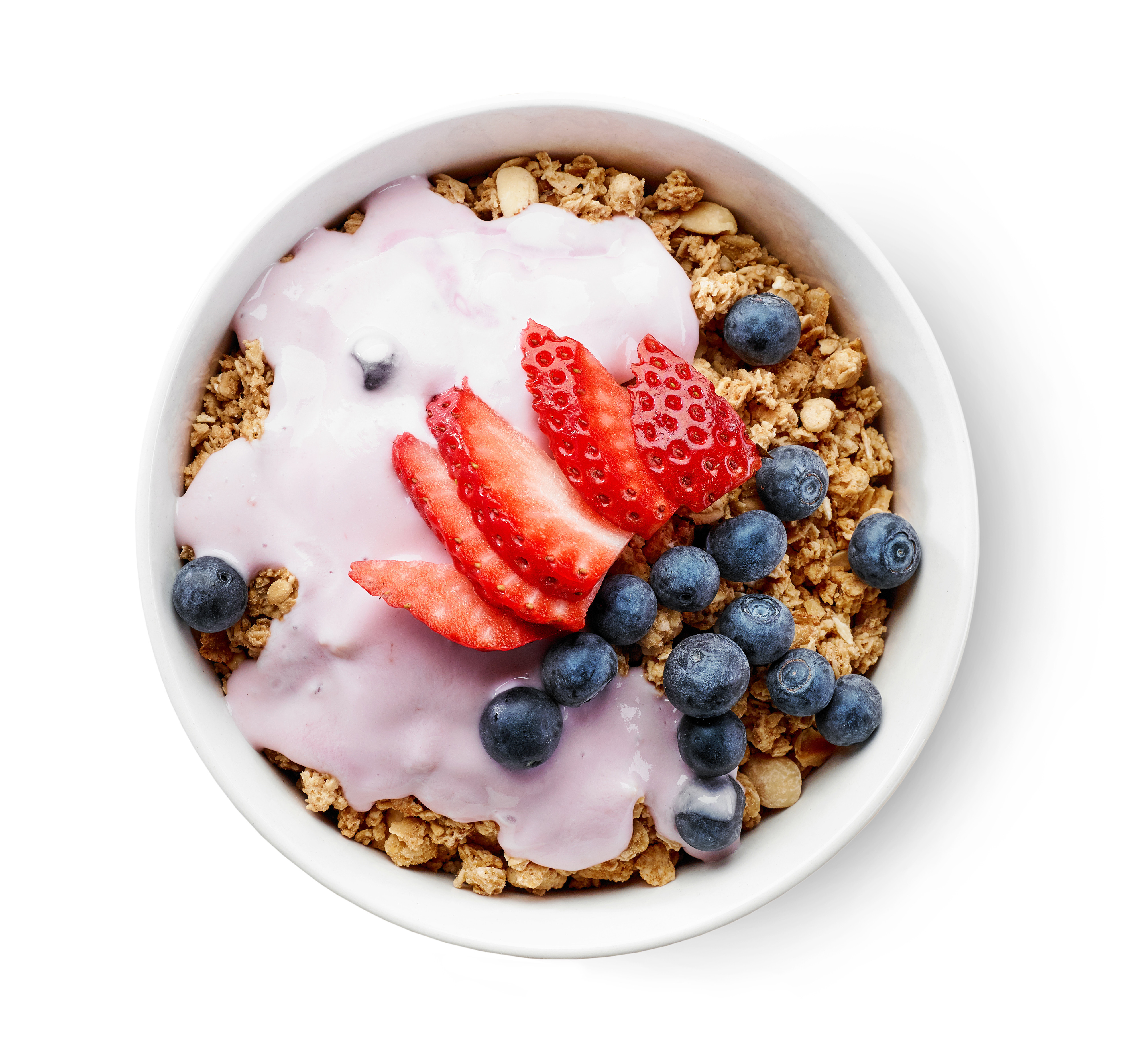
Eating breakfast won’t help you lose weight, but skipping it might not either
Eat breakfast? Skip breakfast? Newer research fails to link eating breakfast with eating less or weight loss. So, will skipping breakfast shave off weight?

By the way, doctor: Does carbonated water harm bones?
ARCHIVED CONTENT: As a service to our readers, Harvard Health Publishing provides access to our library of archived content. Please note the date each article was posted or last reviewed. No content on this site, regardless of date, should ever be used as a substitute for direct medical advice from your doctor or other qualified clinician.
Q. I've heard that club soda, seltzer water, and sparkling mineral waters rob the bones of calcium. Is this true?

Ask the doctor: Is vinegar good for the arteries?
Q. I've heard that apple cider vinegar can clean out the arteries. Is there any truth to that?
A. If you believe the stories written about apple cider vinegar, it is a miracle cure for just about anything that ails you, from curbing the appetite to detoxifying the body, boosting the immune system, treating arthritis, and improving circulation. That's a tall order for a brew made from fermented apples. But there's no evidence to back up most of these apple cider vinegar claims.

What's in your frozen treat?
Do a little detective work before digging into that dessert.
Treating yourself to a small dish of an icy dessert used to be simple: we had a limited number of dessert types and flavors available, like chocolate ice cream or orange sherbet. Today there are so many options at the grocery store you may feel a brain freeze before you even take a bite.
You'll find ice cream, frozen custard, frozen yogurt, sherbet, and gelato. It may be full fat, reduced fat, low fat, nonfat, low carbohydrate, or sugar-free.

Answers to the top questions about cannabis extract
Sales of cannabidiol-infused products are expected to top $2 billion by 2021. But is CBD right for you?
Cannabidiol (CBD) is touted as a natural wonder that can help treat symptoms of everything from anxiety to arthritis pain. The plant extract comes from two varieties of cannabis — hemp and marijuana — and is available in creams, tinctures, oils, patches, gummy bears, capsules, and more. You can even add CBD to a latte if you walk into a coffee shop in some cities.
But is CBD safe for older adults? There haven't been a lot of large studies of CBD's safety, but more traditional medicines for pain and anxiety are not free of adverse effects, either. "I think CBD is likely safer than many other treatments people use for pain, insomnia, or anxiety," says Dr. Peter Grinspoon, a primary care physician with Harvard-affiliated Massachusetts General Hospital. Other physicians don't think we know enough about the safety profile of CBD to be sure.

Can exercise and diet help mild cognitive impairment?
News briefs
We often tell you about using aerobic exercise and a healthy diet to try to stave off dementia. But will those approaches help if you already have the slight but noticeable change in memory and thinking known as mild cognitive impairment (MCI)? A small randomized trial (the gold standard type of study) published online Dec. 19, 2018, by Neurology suggests the combination of diet and exercise may indeed help. Researchers studied 160 sedentary older adults who had MCI as well as one or more cardiovascular disease risk factors, such as high cholesterol. Participants were randomly assigned to do aerobic exercise, to follow a heart-healthy diet (the Dietary Approaches to Stop Hypertension, or DASH, diet), to do a combination of aerobic exercise and the DASH diet, or to just get weekly heart health education. After six months, people who just exercised several times a week got a little bump in executive function (thinking skills that help us plan and organize), but the biggest change was seen in people who both followed the DASH diet and did aerobic training three times a week. Their improved planning skills were equivalent to reversing nearly 10 years of brain aging, compared with study participants who didn't exercise or improve their diets. The findings demonstrate that it's never too late to start exercising and eating right.
Image: © adamkaz/Getty Images
Naturally gluten-free foods
Harvard study: Healthier fats linked to longer life after prostate cancer diagnosis
Shingrix shingles vaccine linked with lower heart disease risks
Estrogen-only hormone therapy tied to lower dementia risk
Should you have a hysterectomy?
Stair climbing may significantly lower cardiovascular risks
Why do I sweat so much?
Walking pneumonia: The "mild" illness that can still pack a punch
What causes knee pain: How doctors make a diagnosis
Where you carry excess weight matters in predicting heart disease risk
Free Healthbeat Signup
Get the latest in health news delivered to your inbox!
Sign Up
