

Naturally gluten-free foods

Harvard study: Healthier fats linked to longer life after prostate cancer diagnosis

Shingrix shingles vaccine linked with lower heart disease risks

Estrogen-only hormone therapy tied to lower dementia risk
Should you have a hysterectomy?

Stair climbing may significantly lower cardiovascular risks

Why do I sweat so much?

Walking pneumonia: The "mild" illness that can still pack a punch

What causes knee pain: How doctors make a diagnosis
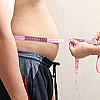
Where you carry excess weight matters in predicting heart disease risk
Healthy eating for diabetes Archive
Articles

The importance of staying hydrated
Stay hydrated gradually, throughout the day. Drink fluids, or eat water-rich foods. Images: Thinkstock |
A healthy person needs 30 to 50 ounces of fluid per day.
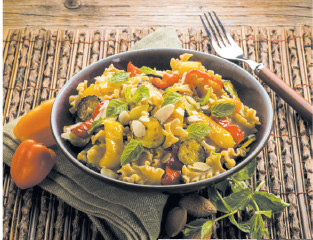
Considering a vegetarian diet: Is meat-free really better?
Eating a vegetarian diet changes mealtime focus from one hunk of protein to a mix of proteins and fats. Get creative, and have fun with your menu. Images: Thinkstock |
More evidence that plant-based diets can help you stay healthy.

Eat a handful of nuts, get a bucketful of benefits
In particular, nuts and peanuts are getting attention for their heart benefits. A study published in JAMA Internal Medicine on March 2, 2015, found that among 72,000 Americans in the southern United States and 135,000 people in China, eating peanuts (a legume) and nuts (such as almonds and walnuts) was associated with a reduction of 17% to 21% in the risk of dying from any cause, especially heart disease. This study was not a randomized trial, and therefore it cannot prove that a regular diet of nuts has such positive health effects. However, two previous randomized trials did find that such a diet was heart-healthy. "Nuts and peanuts are rich in unsaturated fatty acids, known for reducing inflammation, improving blood vessel function, and lowering LDL cholesterol," says Debbie Krivitsky, director of clinical nutrition at the Cardiovascular Disease Prevention Center at Harvard-affiliated Massachusetts General Hospital. The American Heart Association recommends eating four servings of unsalted, unoiled nuts per week. A serving size is a small handful (1.5 ounces) of whole nuts or 2 tablespoons of nut butter.
Image: Thinkstock

Not all processed foods are unhealthy
Don't be misled by well-intentioned advice. Some processed foods offer nutritional value and convenience.
Nutrition gurus often urge us to spurn processed foods in favor of whole ones. But not all processed foods are necessarily bad. "Most food needs to go through some sort of processing for it to even be edible and digestible," says Stacey Nelson, a registered dietitian and manager of clinical nutrition at Harvard-affiliated Massachusetts General Hospital. "The minute you cook something, you are processing it."

Getting to the heart of kidney disease
Controlling blood pressure and blood sugar will help both your heart and your kidneys.
On the surface, it's difficult to see how coronary artery disease and kidney damage might be related. But on the cellular level, the two conditions often go hand in hand. A closer look reveals the key. Underlying both conditions are two powerful risk factors: high blood pressure and diabetes, each of which damages the heart and kidneys independently.

Tight blood sugar control in type 2 diabetes linked to fewer heart attacks and strokes
Diabetes damages every part of the body, from the brain to the feet. High blood sugar, the hallmark of diabetes, wreaks havoc on blood vessels. It makes sense that keeping blood sugar under control should prevent diabetes-related damage — but how low to push blood sugar is an open question. A study published in The New England Journal of Medicine (NEJM) provides reassuring evidence that so-called tight blood sugar control is good for the heart and circulatory system. A 10-year follow-up of the Veterans Affairs Diabetes Trial showed that participants who aimed for tight blood sugar control had lower blood sugar and fewer heart attacks and strokes than participants whose blood sugar was allowed to float a bit higher. Although tight blood sugar control can help prevent diabetes-related damage, it can have drawbacks such as bouts of low blood sugar (hypoglycemia), which can be dangerous. Current guidelines from the American Diabetes Association recommend tight blood sugar control, but also recognize there’s no one-size-fits-all rule.
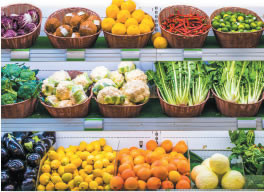
Scientifically proven diets that work
Heart-healthy diets emphasize fruits and vege-tables as a major source of daily calories. Images: Thinkstock |
Substantial research proves the Mediterranean and DASH eating plans offer important health benefits for men.

Iron and your health
If you feel run-down, lack of iron is probably not the cause. You can easily get enough of this key mineral in your diet.
Decades ago, advertising for the liquid vitamin and mineral supplement Geritol warned against "iron-poor, tired blood." It's a reference to the fact that red blood cells need iron to make hemoglobin, the molecule that grabs oxygen and transports it around the body.

Gain more weight, get more GERD
Maintaining a healthy weight is the best way to rein in gastroesophageal reflux disease (GERD), or chronic heartburn, according to a study in The American Journal of Gastroenterology. Researchers found that GERD symptoms increased for every incremental rise in body mass index (BMI), which measures the ratio of weight to height.
In GERD, the acidic contents of the stomach back up into the lower esophagus, causing burning pain. The most effective treatment for GERD is taking an acid-reducing proton-pump inhibitor medication, such as omeprazole (Prilosec). People who are overweight are much more likely to develop GERD.
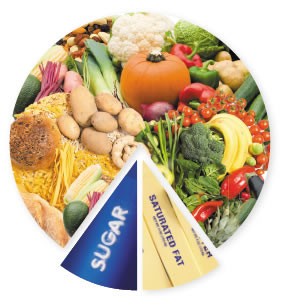
7 good suggestions from the proposed dietary guidelines
The plant-based diet caps sugar and saturated fats at 10% of calories each. |
The new recommendations for healthy eating emphasize diet over individual nutrients and overturn some long-held beliefs.
Naturally gluten-free foods
Harvard study: Healthier fats linked to longer life after prostate cancer diagnosis
Shingrix shingles vaccine linked with lower heart disease risks
Estrogen-only hormone therapy tied to lower dementia risk
Should you have a hysterectomy?
Stair climbing may significantly lower cardiovascular risks
Why do I sweat so much?
Walking pneumonia: The "mild" illness that can still pack a punch
What causes knee pain: How doctors make a diagnosis
Where you carry excess weight matters in predicting heart disease risk
Free Healthbeat Signup
Get the latest in health news delivered to your inbox!
Sign Up
