

Fatty liver disease: Should you be tested?

Weight-loss drug may lower risk of heart attacks and infections

Testosterone therapy without evidence of deficiency may boost heart risk

Even a little exercise linked with lower stroke risk in people with afib

Antihistamines may not offer meaningful relief from eczema symptoms

What to eat on the DASH diet

Tricep workouts you can do at home

FDA approves first mRNA-based flu vaccine

Migraine: How it's diagnosed and what that means

Mindfulness practices to reduce stress and improve focus
Headache and migraine Archive
Articles

Why weight matters when it comes to joint pain
If you're having the occasional twinge of joint pain when you go for a walk or climb stairs, or you're worried about arthritis because a parent had it, one step toward prevention is to check your weight.
There are two ways that being overweight raises your risk for developing osteoarthritis (the most common joint disorder, which is due to wear and tear on a joint). First, excess weight puts additional stress on weight-bearing joints (the knee, for example). Second, inflammatory factors associated with weight gain might contribute to trouble in other joints (for example, the hands).

Trouble with crossword puzzles? Improve your semantic memory
Semantic memory is your store of factual knowledge and the meanings of words. It also helps you recall nonverbal concepts and relationships between words and concepts. And while some aspects of memory may decline with age, semantic memory does not.

Don’t delay treatment for carpal tunnel syndrome
Ignoring symptoms of this carpal tunnel syndrome can lead to permanent nerve damage.
First, you may notice tingling or numbness in your fingers that comes and goes. Over time, the sensations may get worse, lasting longer or even waking you up at night. Eventually the pain and numbness might even make it hard to grip things like a fork, a pen, or other objects.
If you're having these symptoms, it could be carpal tunnel syndrome, which occurs when the median nerve — which runs down your arm and into your hand — is compressed by a ligament that crosses over it as it passes through a narrow space in the wrist known as the carpal tunnel.

Stopping the vicious cycle of rebound headaches
People who get frequent headaches and need to take medication at least 15 days a month may be at risk for medication overuse headaches, or “rebound headaches.” Treatment depends on the medication being taken.

4 leg problems and what might be causing them
The primary purpose of your legs is to keep you upright and mobile. Yet, your legs can also act as an indicator of your overall health. Although some symptoms you may experience are specific to a leg problem, others can suggest trouble with your heart, nervous system, kidneys, or other organs. Use the following symptom guide to help you decipher what broader problems your leg pain might suggest.
Symptom: Leg cramps
Possible cause: Dehydration
A cramp in your leg after you've been working out, especially in the heat, could be an important sign that your body is low on fluids. To contract and relax normally, muscles rely on water and electrolytes like sodium and potassium. Too little fluid or electrolytes can hypersensitize the nerves that control muscles in the legs, causing the
muscles to contract abnormally, or spasm.

How many caffeine servings trigger migraine headaches?
News briefs
Last month we told you about new medications to treat migraine headaches. Now a small Harvard study published Aug. 8, 2019, in The American Journal of Medicine offers a reminder about the importance of limiting migraine triggers. For six weeks, 100 adults with frequent migraines were asked to record daily intake of caffeinated coffee, tea, soda, and energy drinks; alcohol intake; activity levels; stress; and sleep times. They also recorded their headache episodes. Researchers looked at each study participant's risk of having a headache on a given day in relation to his or her consumption of caffeinated beverages. Having three or more servings of caffeinated drinks in a day was associated with higher odds of having a migraine on that day or the following day. However, having one to two servings of caffeinated beverages was not associated with migraines. Does that mean people prone to migraines can safely enjoy up to two caffeinated drinks per day? Not quite. The study is only observational and doesn't prove that any amount of caffeine will or won't cause migraines. But if you are prone to migraines, watch your headache triggers, and perhaps keep a journal of daily activity (including caffeine intake) to help discover your trigger limits.
Image: Mike Watson Images/Getty Images

When do I need an imaging test for my back pain?
On call
Q. I suddenly developed low back pain for the first time. My doctor said I did not need an x-ray or other imaging test. Is that normal and are there any situations when a test would be needed?
A. Yes, your doctor is following the current guidelines. Unless you have other symptoms in addition to low back pain, an x-ray, CT scan, or MRI is not likely to be helpful. But it could cause unnecessary worry while waiting for the results and cost you some money if it's not covered by your health insurance. In addition, many people have "false-positive" results in which an abnormality is detected but turns out to be harmless.

Getting a grip on hand osteoarthritis
Can you do anything about hand and finger joint pain?
Everyone experiences the occasional painful hands and sore fingers, but when osteoarthritis strikes, it can put a hold on many aspects of your life.
"As osteoarthritis progresses, you may lose some hand mobility, like the ability to grasp and hold objects," says Dr. Robert Shmerling, clinical chief of rheumatology at Harvard-affiliated Beth Israel Deaconess Medical Center and senior faculty editor at Harvard Health Publishing. "Over time, osteoarthritis can make the joints deformed, so it's harder to open and close your hands."

Recurrent headaches in children: What to know and do
Most children have an occasional headache, but some children get recurrent headaches. These often run in families and may be migraine or tension headaches or might stem from other causes.
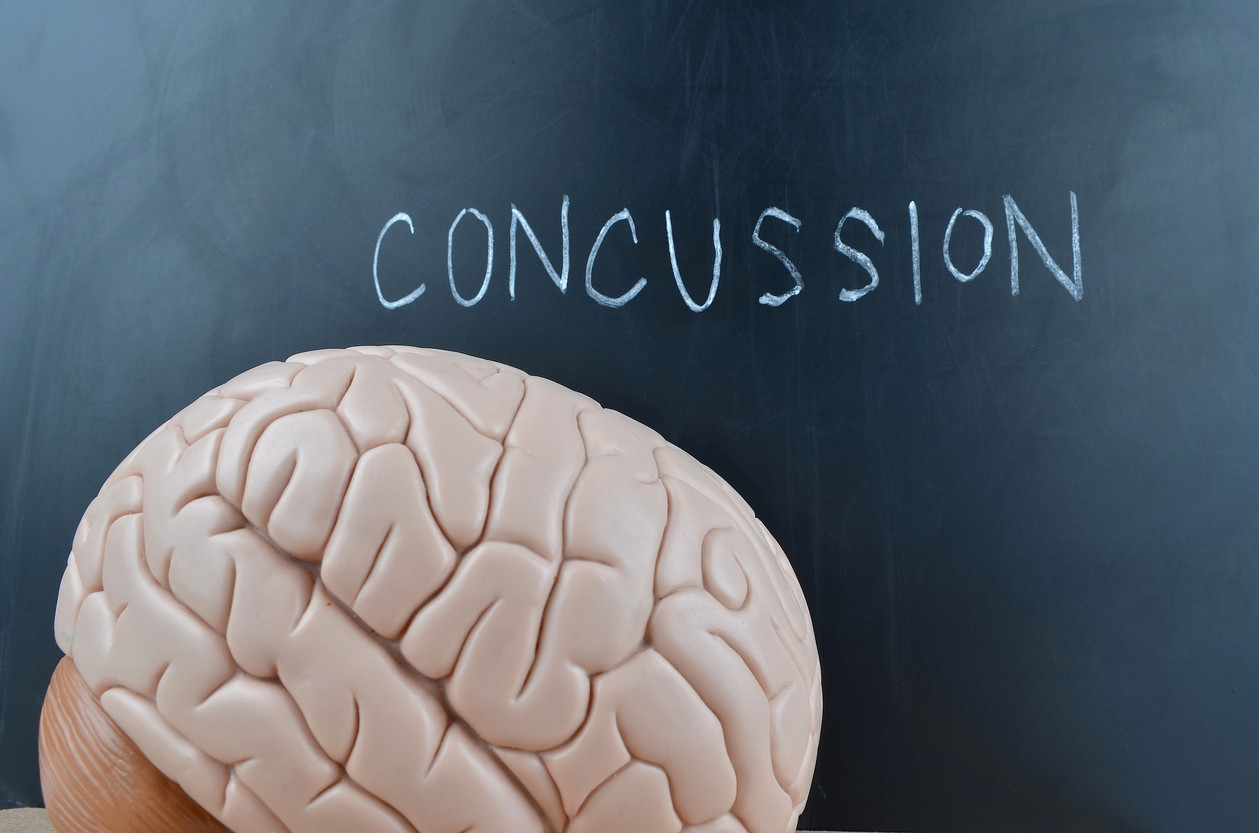
Is there really a blood test to diagnose concussion?
Can a blood test tell whether or not you have a concussion? It’s not quite that simple. There is a test that indicates the presence of substances released into the blood after a brain injury, but for now it is more useful for identifying situations when a CT scan is not necessary.
Fatty liver disease: Should you be tested?
Weight-loss drug may lower risk of heart attacks and infections
Testosterone therapy without evidence of deficiency may boost heart risk
Even a little exercise linked with lower stroke risk in people with afib
Antihistamines may not offer meaningful relief from eczema symptoms
What to eat on the DASH diet
Tricep workouts you can do at home
FDA approves first mRNA-based flu vaccine
Migraine: How it's diagnosed and what that means
Mindfulness practices to reduce stress and improve focus
Free Healthbeat Signup
Get the latest in health news delivered to your inbox!
Sign Up
