

Fatty liver disease: Should you be tested?

Weight-loss drug may lower risk of heart attacks and infections

Testosterone therapy without evidence of deficiency may boost heart risk

Even a little exercise linked with lower stroke risk in people with afib

Antihistamines may not offer meaningful relief from eczema symptoms

What to eat on the DASH diet

Tricep workouts you can do at home

FDA approves first mRNA-based flu vaccine

Migraine: How it's diagnosed and what that means

Mindfulness practices to reduce stress and improve focus
Headache and migraine Archive
Articles


Careful! Scary health news can be harmful to your health

Shaking off shingles
Shingles is a painful neurological condition that is more likely to attack as people age. Left untreated, it can increase risk for chronic pain, blindness, and other long-term health problems.


When pain slows your new walking regimen

Sickle cell disease: Ways to help teens and parents

Harvard Health Ad Watch: Aches, pains, and muscle cramps — do well-advertised remedies actually work?
Several heavily-advertised products that are applied to the skin claim to relieve muscle or joint pain, but are not regulated by the FDA, and none of them offers any solid scientific evidence to back up their claims. So are they worth trying?

Transient ischemic attacks: Varied symptoms, all important

Sleep well — and reduce your risk of dementia and death
Although it has been known for some time that individuals with dementia frequently have poor, fragmented sleep, two new studies suggest that if you don't get enough sleep in midlife, you are at increased risk for dementia later in life.
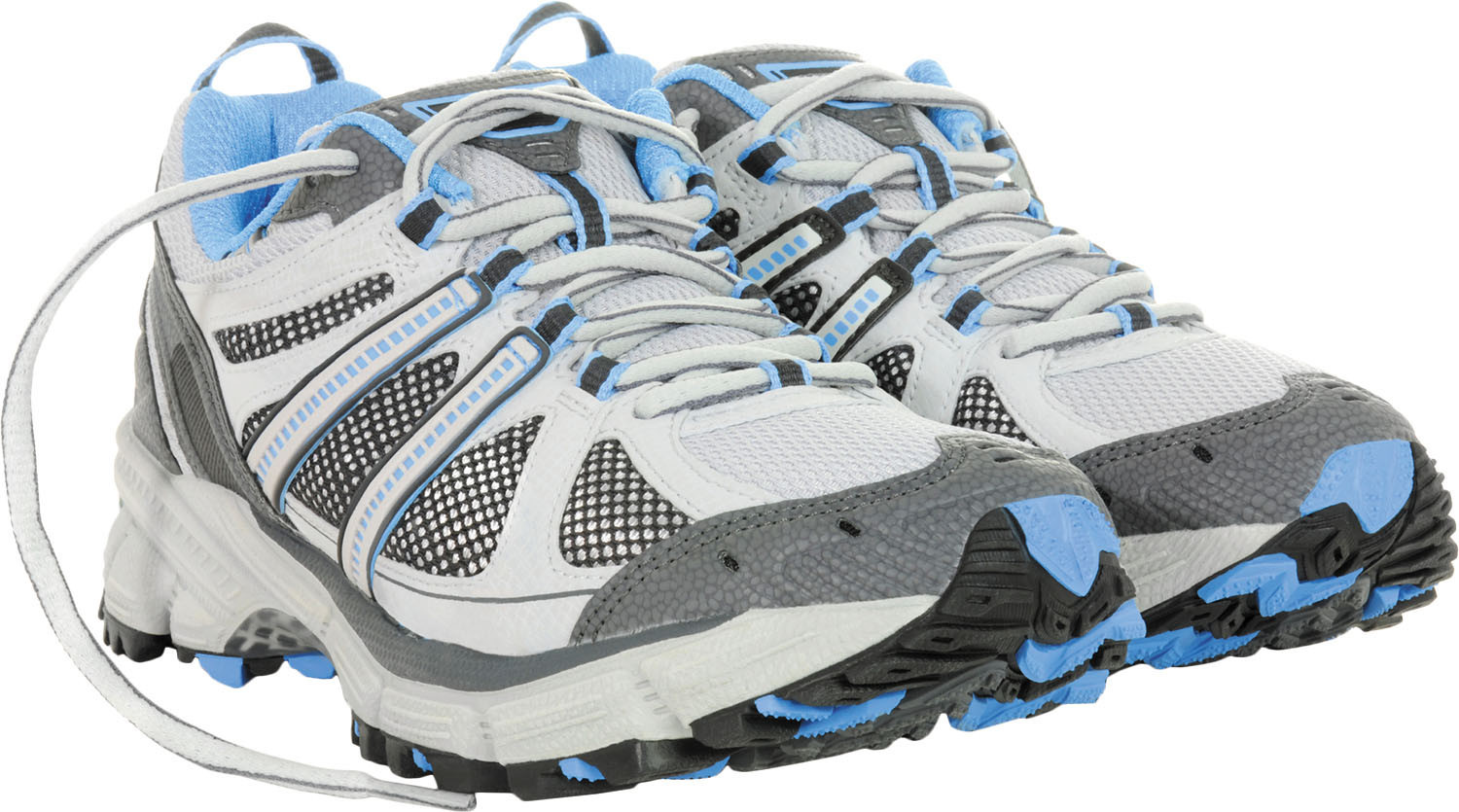
Study finds these shoes are better at keeping knee pain in check
News briefs
When you have knee pain, you just want it to go away so you can walk without having to limp or wince with every step. And a small, randomized trial published online Jan. 12, 2021, by Annals of Internal Medicine found that one type of shoe might be best for the job. Researchers took 164 people ages 50 or older with moderate or severe knee arthritis and randomly assigned half of the group to wear stable, supportive shoes with thick soles that didn't bend much. The other half was assigned flat shoes with thin, flexible soles, which are believed by some to provide a benefit by allowing more natural movement of the leg and foot. Both groups wore their assigned shoes for six hours per day and took part in activities such as walking during that time. After six months, 58% of people in the stable, supportive shoe group reported a reduction in knee pain while walking, compared with 40% of people reporting pain reduction after wearing the flat, flexible shoes. In both groups, the pain reduction probably was a benefit of regular walking. The people wearing flexible shoes were also twice as likely to develop ankle or foot pain, compared with those wearing sturdy shoes. So if you have knee pain, keep walking — in sturdy shoes.
Image: © chictype/Getty Images
Fatty liver disease: Should you be tested?
Weight-loss drug may lower risk of heart attacks and infections
Testosterone therapy without evidence of deficiency may boost heart risk
Even a little exercise linked with lower stroke risk in people with afib
Antihistamines may not offer meaningful relief from eczema symptoms
What to eat on the DASH diet
Tricep workouts you can do at home
FDA approves first mRNA-based flu vaccine
Migraine: How it's diagnosed and what that means
Mindfulness practices to reduce stress and improve focus
Free Healthbeat Signup
Get the latest in health news delivered to your inbox!
Sign Up
