

Estrogen-only hormone therapy tied to lower dementia risk

Should you have a hysterectomy?

Stair climbing may significantly lower cardiovascular risks

Why do I sweat so much?

Walking pneumonia: The "mild" illness that can still pack a punch

Tai chi walking: What is it and does it work?

What causes knee pain: How doctors make a diagnosis
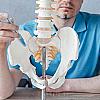
Sacroiliac joint pain: Causes, symptoms, and exercises that help

Where you carry excess weight matters in predicting heart disease risk

Study: At-home colorectal cancer screening may significantly cut colon cancer deaths
Fungal infections Archive
Articles

CDC updates recommendations for pneumococcal and COVID vaccines
In October 2024, the CDC lowered the age for healthy adults to receive a pneumococcal vaccine to 50 from 65. It also recommends a second dose of the 2024-25 COVID vaccine for people 65 and older and immunocompromised people six months after their last dose.


Try this: Wash up
Keeping hands clean is a simple way to protect against from colds and flu. Proper handwashing involves using plenty of soap, lukewarm water and taking at least 20 seconds to clean the back of hands, between the fingers, and around the nails.

Under-the-radar heart risks
Research has shown that men can have a higher risk for heart attacks and strokes if they suffer from certain medical conditions that might seem unrelated to heart disease. These conditions include erectile dysfunction, gum disease, peripheral artery disease, and urinary tract infections. Many factors that contribute to heart disease like inflammation and fatty deposits in the arteries are involved in these other conditions.

Are some cases of Alzheimer's disease caused by infection?
Some scientists believe that microbes might play a part in Alzheimer's disease development. They say it could be that certain viruses or bacteria that infect the brain aren't completely eradicated by the immune system, which leads to neuroinflammation and brain cell death. It could also be that microbes trigger the release of protein deposits-amyloid-beta plaques and tau tangles-which kill neurons, further increase neuroinflammation, and lead to more neuron death.

Warding off germs this winter: What's helpful, what's not
Avoiding germs that cause respiratory and gastrointestinal illnesses is especially important during the winter months, when cases are on the rise. Learn which strategies keep you safe.

The latest on long COVID
Long COVID is the continuation or development of new symptoms three months after the initial infection from SARS-CoV-2 (the virus that causes COVID) without any other explanation. An estimated 6% to 11% of adults who have had COVID have long COVID. Researchers continue to learn about how it affects people and its possible long-term risks. The best protection against long COVID is avoiding COVID infection by getting vaccinated and wearing a mask in crowded areas.


Celiac disease: Exploring four myths
While medical knowledge on celiac disease has evolved over the past few decades, there are still aspects that remain poorly understood. Perhaps not surprisingly, misconceptions are widespread among the general public.

Shingles tied to cognitive decline
A 2024 study involving more than 149,000 people, middle-aged and older, found that those who had shingles were 20% more likely to notice signs of cognitive decline years later, compared with those who didn't have shingles.
Estrogen-only hormone therapy tied to lower dementia risk
Should you have a hysterectomy?
Stair climbing may significantly lower cardiovascular risks
Why do I sweat so much?
Walking pneumonia: The "mild" illness that can still pack a punch
Tai chi walking: What is it and does it work?
What causes knee pain: How doctors make a diagnosis
Sacroiliac joint pain: Causes, symptoms, and exercises that help
Where you carry excess weight matters in predicting heart disease risk
Study: At-home colorectal cancer screening may significantly cut colon cancer deaths
Free Healthbeat Signup
Get the latest in health news delivered to your inbox!
Sign Up
