

Naturally gluten-free foods

Harvard study: Healthier fats linked to longer life after prostate cancer diagnosis

Shingrix shingles vaccine linked with lower heart disease risks

Estrogen-only hormone therapy tied to lower dementia risk
Should you have a hysterectomy?

Stair climbing may significantly lower cardiovascular risks

Why do I sweat so much?

Walking pneumonia: The "mild" illness that can still pack a punch

What causes knee pain: How doctors make a diagnosis
Where you carry excess weight matters in predicting heart disease risk
Fibroids, cysts, and polyps Archive
Articles
HPV testing at home: A new option for women
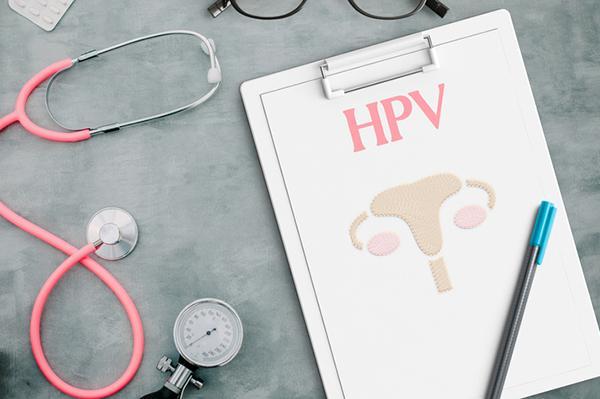
In January 2026, the U.S. Department of Health and Human Services issued cervical cancer screening guidelines that, for the first time, include an option for women to perform an at-home human papillomavirus (HPV) test. HPV causes about 95% of cervical cancers.
From periods to menopause: How estrogen levels throughout life affect women's brain health
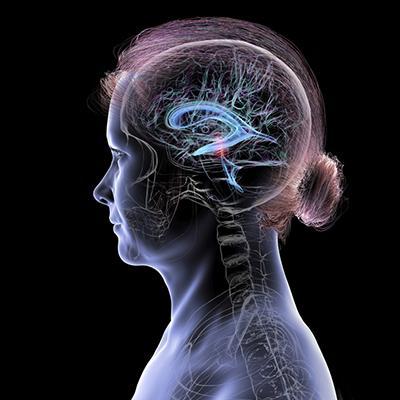
Women’s reproductive history, including first period, pregnancy, and menopause, influences their lifetime exposure to estrogen, which appears to shape brain aging and dementia risk. Menopause is believed to be the strongest reproductive factor, with later menopause tied to lower dementia risk.
Should you have a hysterectomy?
Each year, about 600,000 American women undergo hysterectomy—surgery to remove the uterus and sometimes other reproductive organs as well—most often to alleviate symptoms rather than to save lives. Women opt for hysterectomy for conditions such as excessive uterine bleeding, pelvic pain, and fibroids.

Estrogen-only hormone therapy tied to lower dementia risk
A 2026 study suggested that menopausal women who used estrogen-only hormone therapy were less likely than women who didn’t use hormone therapy to develop Alzheimer’s-related brain changes or be diagnosed with dementia.

When do I need to stop using hormone therapy?
While starting hormone therapy to curb menopause symptoms is considered safest before age 60 and within 10 years of menopause, there’s no defined age at which women need to stop using it. Various factors should be considered when deciding whether to continue, including age, overall health, and medical history.
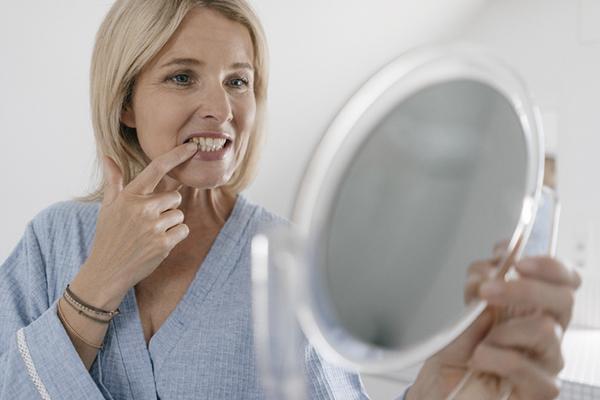
How menopause can affect oral health, including tooth decay, dry mouth, and shifting teeth
Many women aren’t aware menopause can fuel oral health symptoms such as tooth decay, gum disease, and bone loss in the jaw. Reduced estrogen diminishes saliva production, which protects teeth and gums by neutralizing acids and bacteria. A variety of tools and techniques can help menopausal women preserve oral health.
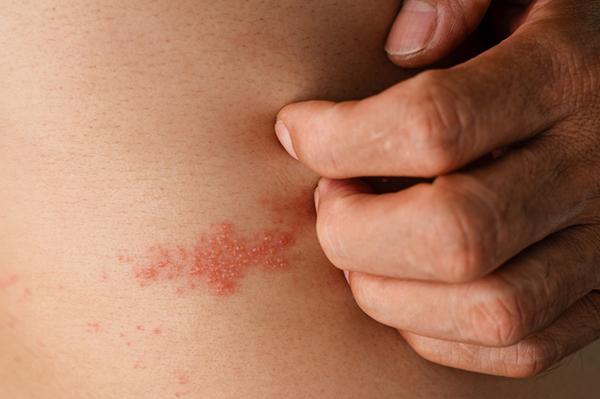
Can taking Valtrex for shingles affect my birth control?
Women on birth control who develop shingles may worry Valtrex could reduce protection. Find out if this antiviral impacts contraceptives.
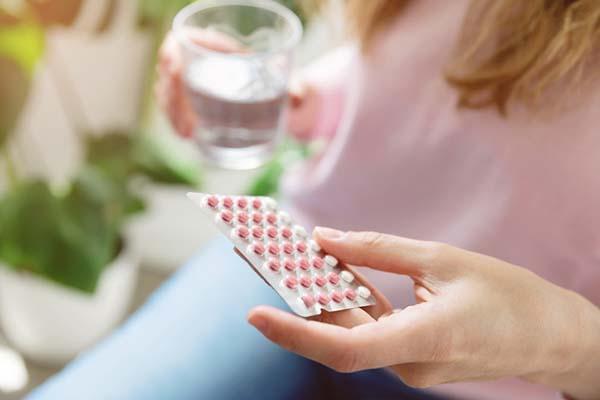
Can my birth control pills change the dose of thyroid medication I need?
Find out how estrogen-containing birth control can affect thyroid hormone replacement, and why your levothyroxine dose may need closer monitoring.

What should pregnant women know about flu shots?
Pregnancy can change the balance of risks and benefits around flu vaccination. Key safety considerations may help guide a discussion with your obstetrician.
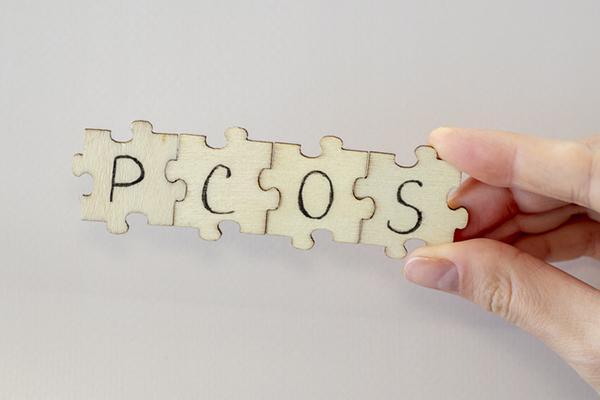
How PMOS (once called PCOS) affects women after menopause
While menopause means the end of irregular periods and heavy bleeding typical in women with polyendocrine metabolic ovarian syndrome (PMOS; formerly polycystic ovary syndrome, or PCOS), they continue to face some of the same symptoms along with greater lifelong health risks.
Naturally gluten-free foods
Harvard study: Healthier fats linked to longer life after prostate cancer diagnosis
Shingrix shingles vaccine linked with lower heart disease risks
Estrogen-only hormone therapy tied to lower dementia risk
Should you have a hysterectomy?
Stair climbing may significantly lower cardiovascular risks
Why do I sweat so much?
Walking pneumonia: The "mild" illness that can still pack a punch
What causes knee pain: How doctors make a diagnosis
Where you carry excess weight matters in predicting heart disease risk
Free Healthbeat Signup
Get the latest in health news delivered to your inbox!
Sign Up
