

People who walk more or walk faster live longer, study finds

For sleep apnea, a dental device may be as effective as CPAP

Rosacea treatments: What works?

Carb cycling: What is it, and does it work?

Understanding orthorexia: Have your healthy eating goals gone too far?

Melatonin or magnesium: Can either supplement help you sleep?

Salmonella, E. coli, Cyclospora, and other germs that cause food poisoning: What you need to know

Naturally gluten-free foods

Harvard study: Healthier fats linked to longer life after prostate cancer diagnosis

Shingrix shingles vaccine linked with lower heart disease risks
Fibroids, cysts, and polyps Archive
Articles
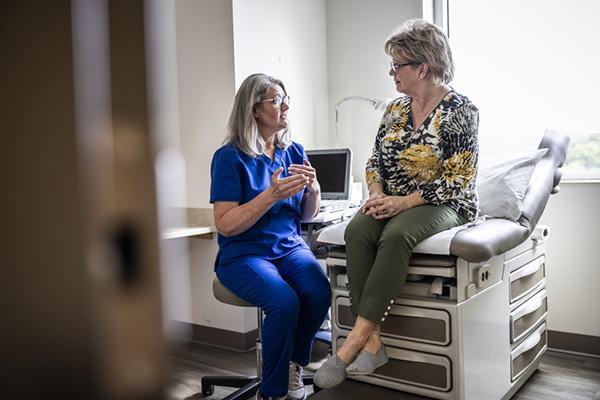
Can estrogen cream help with vaginal atrophy?
Vaginal dryness and discomfort can affect intimacy and daily life. See which options may ease symptoms linked to changing estrogen levels.
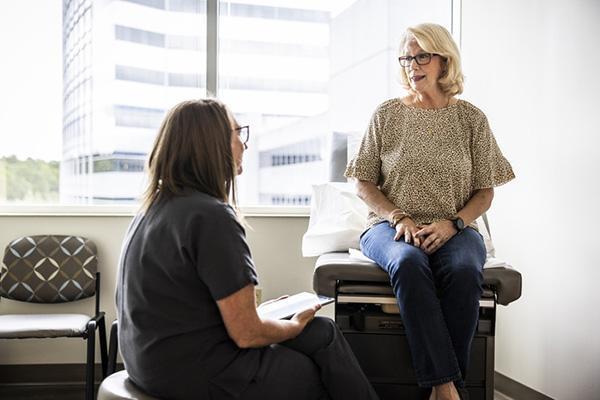
Will fibroid bleeding ease after menopause?
Fibroids can change as hormone levels shift, but bleeding patterns and new symptoms after menopause still deserve careful medical attention.
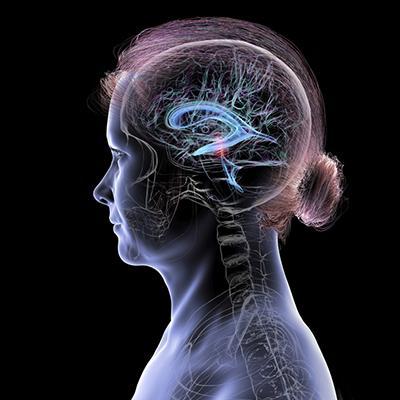
From periods to menopause: How estrogen levels throughout life affect women's brain health
Women’s reproductive history, including first period, pregnancy, and menopause, influences their lifetime exposure to estrogen, which appears to shape brain aging and dementia risk. Menopause is believed to be the strongest reproductive factor, with later menopause tied to lower dementia risk.
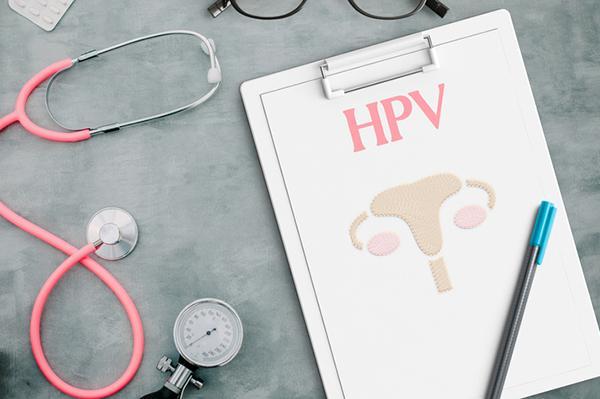
HPV testing at home: A new option for women
In January 2026, the U.S. Department of Health and Human Services issued cervical cancer screening guidelines that, for the first time, include an option for women to perform an at-home human papillomavirus (HPV) test. HPV causes about 95% of cervical cancers.
Should you have a hysterectomy?
Each year, about 600,000 American women undergo hysterectomy—surgery to remove the uterus and sometimes other reproductive organs as well—most often to alleviate symptoms rather than to save lives. Women opt for hysterectomy for conditions such as excessive uterine bleeding, pelvic pain, and fibroids.

Estrogen-only hormone therapy tied to lower dementia risk
A 2026 study suggested that menopausal women who used estrogen-only hormone therapy were less likely than women who didn’t use hormone therapy to develop Alzheimer’s-related brain changes or be diagnosed with dementia.
How does stress affect your period?
Stress can disrupt the menstrual cycle, but it isn’t the only possible cause of a late period. Find out what to consider before assuming why.
When do I need to stop using hormone therapy?
While starting hormone therapy to curb menopause symptoms is considered safest before age 60 and within 10 years of menopause, there’s no defined age at which women need to stop using it. Various factors should be considered when deciding whether to continue, including age, overall health, and medical history.
Can uterine fibroids change over time?
Fibroids may change over time, even when they cause no symptoms. Find out what doctors know about their growth, symptoms and long-term outlook.
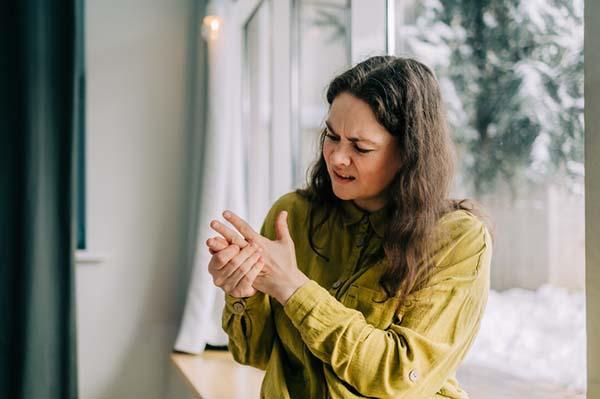
Could hand and foot cramps be related to your menstrual cycle?
Severe cramps in your hands and feet may follow a pattern linked to your menstrual cycle, raising questions about causes, relief and prevention.
People who walk more or walk faster live longer, study finds
For sleep apnea, a dental device may be as effective as CPAP
Rosacea treatments: What works?
Carb cycling: What is it, and does it work?
Understanding orthorexia: Have your healthy eating goals gone too far?
Melatonin or magnesium: Can either supplement help you sleep?
Salmonella, E. coli, Cyclospora, and other germs that cause food poisoning: What you need to know
Naturally gluten-free foods
Harvard study: Healthier fats linked to longer life after prostate cancer diagnosis
Shingrix shingles vaccine linked with lower heart disease risks
Free Healthbeat Signup
Get the latest in health news delivered to your inbox!
Sign Up
