

CoQ10: Should you take this popular supplement if you're on a statin?

Microplastics: A hidden health threat?

Oat vs. dairy milk: Nutrition, benefits, and downsides

What is tempeh? Benefits, nutrition, and how to use it

Healing after food poisoning

Children of centenarians may stay healthier and live longer too, study finds

Light exposure at night may raise risk for heart disease

Whole grains may improve several heart risk factors at once

A lumbar belt may help ease low back pain

Signs of pneumonia: Sometimes vague and unexpected
Environmental health Archive
Articles

Extreme heat: Staying safe if you have health issues
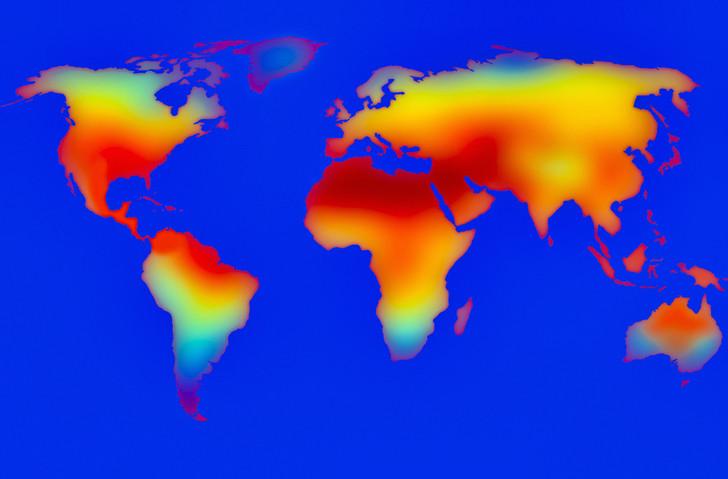
Climate change has made life-threatening heat waves increasingly common across the globe. Anyone with health issues will have a more difficult time in extreme heat, including older people and people with diabetes, heart disease, asthma, and other conditions. Be prepared by knowing how to identify and treat heat-related illness, and how to plan for hot days.
Heart problems and the heat: What to know and do
High temperatures raise risk for heat exhaustion and heat stroke, and also stress the cardiovascular system, making the heart work harder. If you have a heart condition, here's how to keep cool and protect yourself when temperatures rise.

Wildfires: How to cope when smoke affects air quality and health
Wildfire smoke contributes greatly to poor air quality, and as wildfires become more frequent due to climate change and drier conditions, more of us and more of our communities are at risk for health harms. Here are ways to cope.

Heat wave hazards
Certain medications can leave people more vulnerable to heat-related effects or the sun's rays. The medications can raise the risk of dehydration, make people sweat too much or too little, impair the body's ability to regulate temperature, or raise the risk of getting a bad sunburn. In addition, higher temperatures may damage some medicines, including diuretics, blood pressure drugs, some antidepressants, thyroid replacement hormones, and some over-the-counter antihistamines.
Feeling the heat
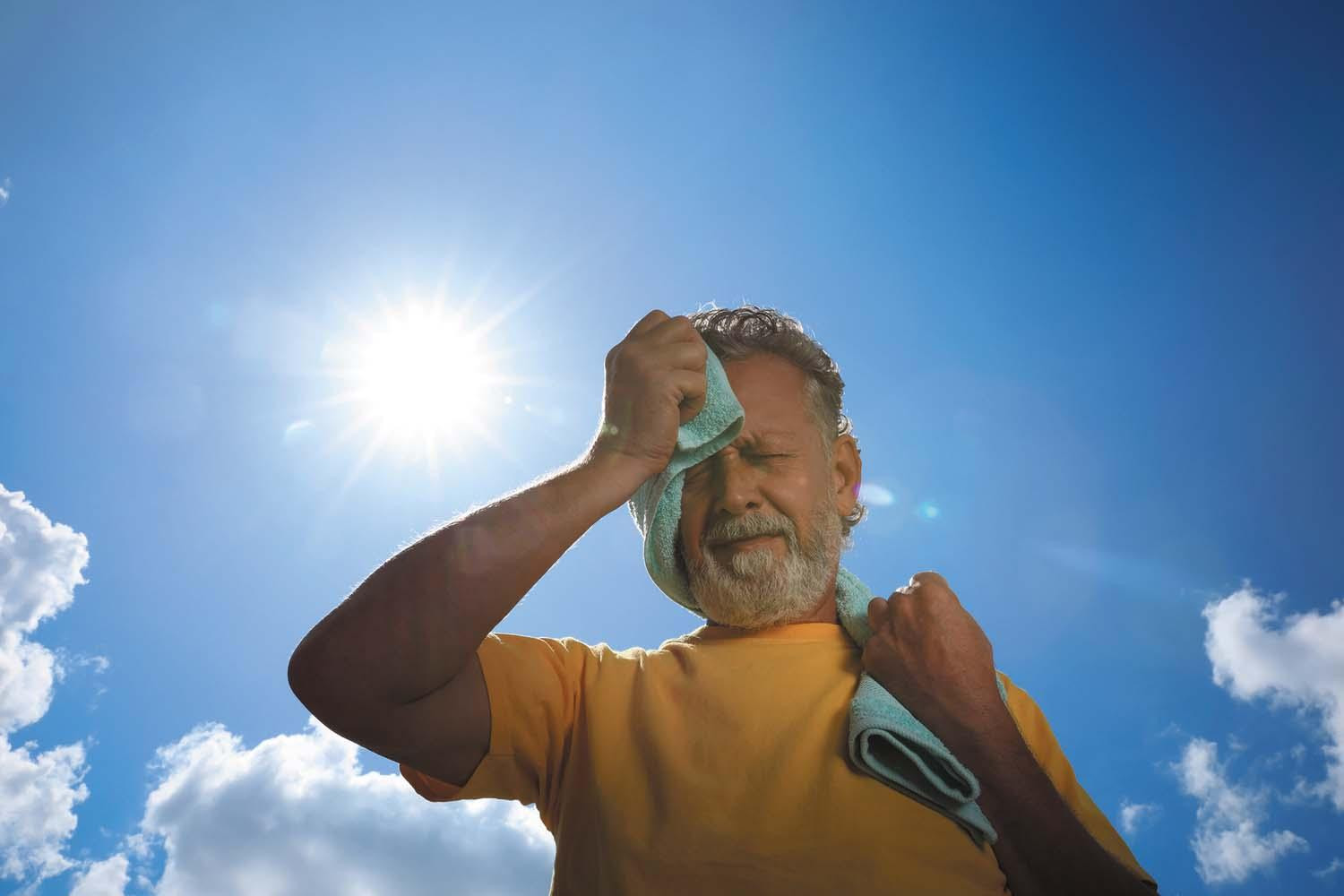
Older adults are especially vulnerable to heat-related ailments like heat exhaustion and heatstroke. The primary reason is biological, as aging bodies can't maintain a steady internal body temperature when external conditions change. Heart conditions and heart medications can add to the problem. Older adults can protect themselves from heat ailments by taking standard precautions during hot weather and recognizing the early symptoms of ailments so they can seek immediate treatment.

High temperatures may make natural mosquito repellents less effective
Mosquito repellents that rely on certain natural substances may not be as effective when temperatures reach 90° or higher. For very hot weather, people may get better protection by using the synthetic repellent DEET.

When should I see a doctor about a bug bite?
Typical insect bites produce redness, itching, swelling, and pain. Signs of a more severe bug bite include hives, nausea, vomiting, fever, chills, drainage, rashes, blisters, numbness, or skin discoloration. People with any of these bug bite symptoms should see a doctor.

Healthier planet, healthier people
Our health is intertwined with the health of planet Earth, and the impacts of climate change threaten our well-being. Collectively taking small steps like eating more plant-forward meals, using bikes or public transit, and even sharing our pledges can help move the needle in a positive direction.


How to cope with worsening allergy seasons
Climate change is causing longer, more intense allergy seasons, with increased amounts of pollen. This might make it harder for people to predict when their allergies might crank up, when to begin preparing for them, and how to discern the difference between allergy symptoms and upper respiratory illness. Strategies to cope include noting daily pollen counts, staying indoors when counts are high, checking with a doctor about new or worsening symptoms, and wearing a mask when outside for more than a few minutes.
CoQ10: Should you take this popular supplement if you're on a statin?
Microplastics: A hidden health threat?
Oat vs. dairy milk: Nutrition, benefits, and downsides
What is tempeh? Benefits, nutrition, and how to use it
Healing after food poisoning
Children of centenarians may stay healthier and live longer too, study finds
Light exposure at night may raise risk for heart disease
Whole grains may improve several heart risk factors at once
A lumbar belt may help ease low back pain
Signs of pneumonia: Sometimes vague and unexpected
Free Healthbeat Signup
Get the latest in health news delivered to your inbox!
Sign Up
