
Harvard study links ultra-processed foods to higher rates of cognitive decline, dementia

A guide to the DASH diet

Calorie deficit explained: Is it a safe, sustainable approach to weight loss?

Prediabetes diet: How to help prevent progression to diabetes

COPD symptoms: How to spot them early
Many older adults get health information from self-defined experts online

Routine cancer screenings for older adults: Mammograms, colonoscopies, PSA tests, and more
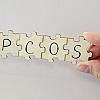
How PMOS (once called PCOS) affects women after menopause

Eating more soy and other legumes might ward off high blood pressure

Surgery for a torn meniscus appears to offer no benefit
Colorectal Cancer
The colon and the rectum—the two parts of the large intestine—are common places for cancer to occur. It is often a hidden cancer because it doesn't usually cause symptoms in its early stages.
Colon cancer affects men and women equally, usually after age 50. That's why experts recommend that adults be tested regularly for colorectal cancer after age 50. Testing is especially important for individuals who are at increased risk for developing colorectal cancer. That include those who: have had polyps (a benign growth in the colon or rectum); have a close family member with colorectal cancer; have ulcerative colitis or Crohn's disease; or who eat a fatty diet or smoke.
Symptoms of colorectal cancer include:
- diarrhea or constipation
- a feeling that the bowel isn't emptying completely
- blood in the stool
- stools that are narrower than usual
- frequently feeling full or bloated
- weight loss with no known reason
There are several ways to check for hidden colorectal cancer. The most effective test is the colonoscopy. In this test, a thin, flexible tube with a camera on the end is passed through the anus and up through the rectum and colon. Any precancerous polyps can be removed during the test. A sigmoidoscopy uses a similar tube, but it is able to look into only the lower portion of the colon. A third test, the fecal occult stool test, can be done at home. It checks for blood in the stool, which can be a sign of bleeding from a colorectal polyp or cancer.
Treatments for colorectal cancer include surgery, chemotherapy, radiation, or a combination of these.
Harvard study links ultra-processed foods to higher rates of cognitive decline, dementia
A guide to the DASH diet
Calorie deficit explained: Is it a safe, sustainable approach to weight loss?
Prediabetes diet: How to help prevent progression to diabetes
COPD symptoms: How to spot them early
Many older adults get health information from self-defined experts online
Routine cancer screenings for older adults: Mammograms, colonoscopies, PSA tests, and more
How PMOS (once called PCOS) affects women after menopause
Eating more soy and other legumes might ward off high blood pressure
Surgery for a torn meniscus appears to offer no benefit
Free Healthbeat Signup
Get the latest in health news delivered to your inbox!
Sign Up