

Naturally gluten-free foods

Harvard study: Healthier fats linked to longer life after prostate cancer diagnosis

Shingrix shingles vaccine linked with lower heart disease risks

Estrogen-only hormone therapy tied to lower dementia risk
Should you have a hysterectomy?

Stair climbing may significantly lower cardiovascular risks

Why do I sweat so much?

Walking pneumonia: The "mild" illness that can still pack a punch

What causes knee pain: How doctors make a diagnosis
Where you carry excess weight matters in predicting heart disease risk
Cognitive health and memory Archive
Articles

Treating low vitamin D levels may help people live longer
Treating people who have low levels of vitamin D with supplements may reduce their risk for heart attacks and death from any cause.
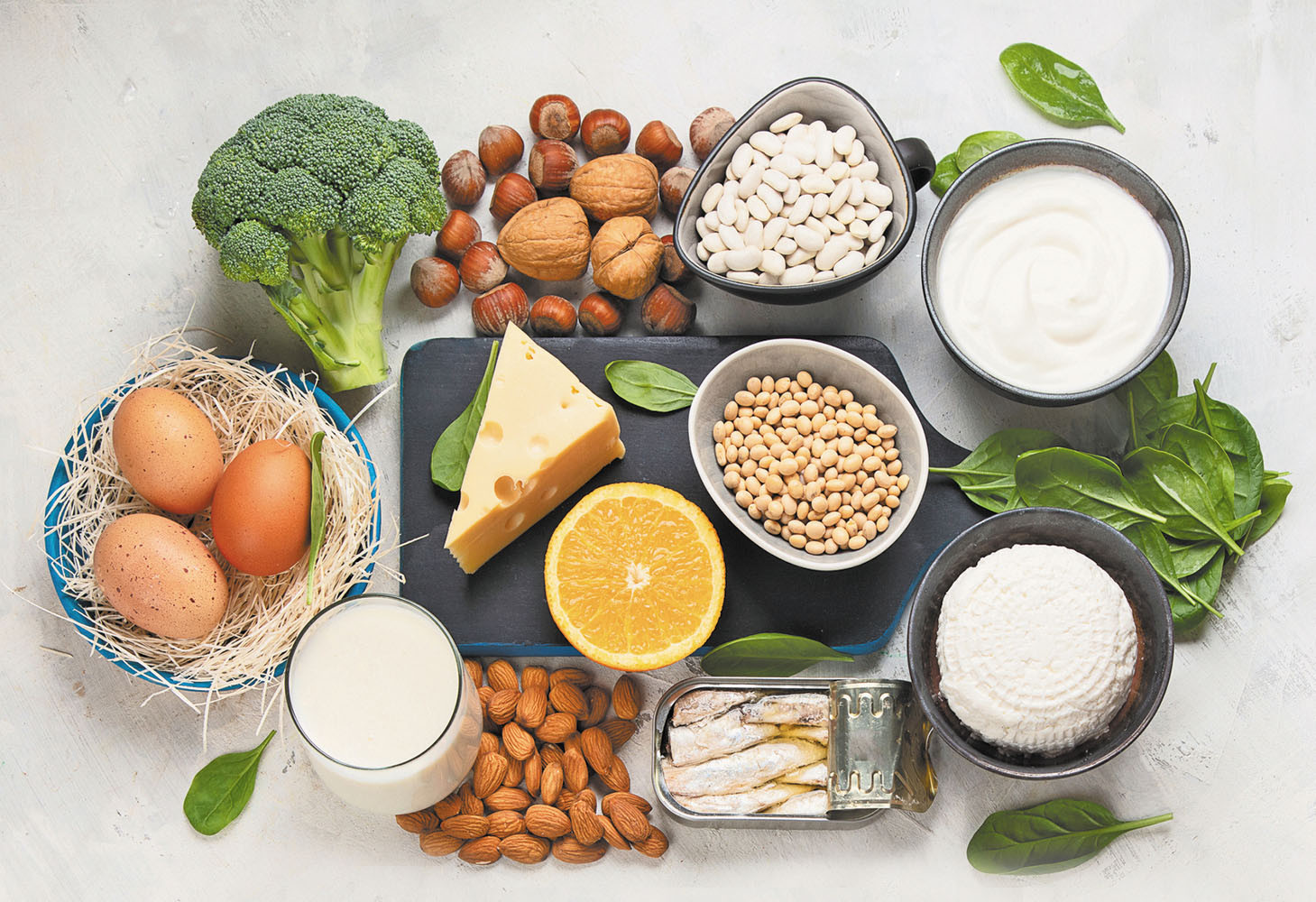
Essential nutrients your body needs for building bone
Older adults must pay special attention to their intakes of calcium, vitamin D, and protein. These important nutrients are crucial for maintaining bone health. Doctors say it's probably best to take a supplement to get enough vitamin D. Calcium and protein are best when they come from foods, such as canned salmon with bones, sardines, beans, dairy products (cheese, yogurt, cottage cheese, milk), leafy greens, or nuts. Other important nutrients for bone health, such as magnesium, phosphorous, and potassium, can be obtained by simply eating a diet rich in fruits, vegetables, legumes, nuts, seeds, and lean proteins.

Watch out for these balance busters
Many factors can impair balance and lead to falls, such as vision, hearing, or joint problems; medication side effects; and environmental hazards. To improve balance and reduce the risk for falls, one can remove fall hazards from the home, treat underlying conditions that increase fall risk, consider adjusting medications that affect balance, get physical therapy, use an assistive walking device, wear supportive shoes that hold the feet in place, and frequently challenge balance with balance exercises.

Are your shots up to date?
A number of vaccinations are recommended for adults. These include not only the COVID-19 vaccine, but also an annual influenza shot and vaccinations for shingles and pneumococcal disease, among others. A doctor may also recommend additional vaccines depending on a person's individual circumstances, such as planning travel or caring for a newborn. Adults should check periodically to make sure that they are up to date with all of their shots.

Gift giving for family or friends in assisted living
If you have a family member or other loved one in an assisted living facility, it might seem difficult to choose a useful and meaningful gift for that person. But thinking about the person's particular circumstances, needs, and interests will help you select a gift that will be appreciated and enjoyed.

Heart-safer NSAID alternatives
Common pain relievers known as nonsteroidal anti-inflammatory drugs (NSAIDs) carry an added risk of heart problems. Use only what you need and for only as long as you need it. Men with heart problems should be extra cautious.


How can I tell if my statin is working?
Statin therapy can help lower the risk of developing new plaques in the arteries and having a heart attack, although the effect may not show up on coronary artery calcium scans that measure the amount of calcium in the walls of the heart's arteries.

Creating a family medical history

You don't say? Why does your nose run in cold weather?
Naturally gluten-free foods
Harvard study: Healthier fats linked to longer life after prostate cancer diagnosis
Shingrix shingles vaccine linked with lower heart disease risks
Estrogen-only hormone therapy tied to lower dementia risk
Should you have a hysterectomy?
Stair climbing may significantly lower cardiovascular risks
Why do I sweat so much?
Walking pneumonia: The "mild" illness that can still pack a punch
What causes knee pain: How doctors make a diagnosis
Where you carry excess weight matters in predicting heart disease risk
Free Healthbeat Signup
Get the latest in health news delivered to your inbox!
Sign Up
