

Estrogen-only hormone therapy tied to lower dementia risk

Should you have a hysterectomy?

Stair climbing may significantly lower cardiovascular risks

Why do I sweat so much?

Walking pneumonia: The "mild" illness that can still pack a punch

Tai chi walking: What is it and does it work?

What causes knee pain: How doctors make a diagnosis
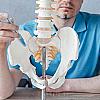
Sacroiliac joint pain: Causes, symptoms, and exercises that help

Where you carry excess weight matters in predicting heart disease risk

Study: At-home colorectal cancer screening may significantly cut colon cancer deaths
Cognitive health and memory Archive
Articles

A bird flu primer: What to know and do
A bird flu strain that began circulating in 2020 continues to evolve globally and locally within the United States. If you're wondering what this means, understanding the basics - what bird flu is, how it spreads, whether foods are safe, and prevention tips - can help.

Salmonella is sneaky: Watch out
If you've ever had food poisoning caused by Salmonella bacteria, you know it's unpleasant but typically goes away within two to three days. You may not know that these bacteria sicken more than a million people in the US each year - and can be deadly for some. You can take steps to avoid getting sick.

Last call for alcohol?
New studies and recommendations have suggested that older adults might benefit from avoiding alcohol. However, the consensus remains that moderate drinkers have a lower risk for heart disease and live longer than heavy drinkers and people who don't drink all. Experts suggest that people should not start drinking for possible health benefits, but if they do drink, they should do so in moderation, which for men is no more than two standard drinks per day.

An introvert's guide to socializing
An active social life is good medicine for the body and brain as it lowers the risk for many chronic diseases and protects against dementia and mild cognitive impairment. However, people who are introverts and enjoy their solitude can struggle with engagement. These individuals can benefit from socializing while maintaining their comfort levels by engaging in activities like joining social clubs and other groups, taking classes, and attending public events.

Reflecting on your remaining days
Older adults might not think too much about how they want to spend their remaining years. However, some self-reflection can help them live their final years to their fullest. Asking themselves what is most important in five areas-relationships, health, education, personal growth, and recreation-can help people recognize where their passions lie. Once they discover which goals are most important, they then can begin developing plans to meet them.

Outsmarting perimenopause
Women receive less information about perimenopause compared with the earlier milestones of puberty and pregnancy. Some women deal with an array of symptoms they don't connect to perimenopause and aren't aware that lifestyle changes can offset them. The menopause transition often involves weight gain from both shifting hormones and aging. Regular exercise and strength training can mitigate weight gain. Healthy eating habits and sounder sleep can also offset perimenopausal symptoms.

Can nail polish harm my nails?
Wearing nail polish does not harm nails. However, doing so for long periods can dry out the surface, prompting chalky, white patches to form. Removing nail polish with acetone-based products can also dry out the nails and surrounding skin.

Getting the right diagnosis
Nearly one in five hospitalized adults is harmed or dies each year due to a diagnostic error. Diagnostic errors include a delay in diagnosis, a wrong diagnosis, or unclear communication about a diagnosis. Tricky-to-diagnose conditions include pneumonia, heart attack, stroke, sepsis, blood clots, and lung cancer. Women, minorities, and older adults may be more vulnerable to diagnostic mistakes. People can lower their risks of diagnostic errors by telling the doctor about their medications, taking a trusted companion to appointments, and seeking second opinions in cases of doubt.

Research highlights health benefits from cold-water immersions
While there are limited studies about the health benefits of cold-water immersions, a 2025 analysis found regular ice baths or cold showers may help reduce stress levels, improve sleep, and increase quality of life.

Avoiding injury when you're on grandkid duty
Spending time alone with energetic young grandchildren can be physically challenging. It puts grandparents at risk for falls and injuries. It will benefit grandparents to improve their balance and do some muscle strengthening so they can lift or carry squirmy children and also get up and down from a chair or the floor while playing with kids. If children run off while in a grandparent's care, the grandparent should be wary of obstacles in the path to catch up to them, such as footstools or toys indoors and uneven terrain outdoors.
Estrogen-only hormone therapy tied to lower dementia risk
Should you have a hysterectomy?
Stair climbing may significantly lower cardiovascular risks
Why do I sweat so much?
Walking pneumonia: The "mild" illness that can still pack a punch
Tai chi walking: What is it and does it work?
What causes knee pain: How doctors make a diagnosis
Sacroiliac joint pain: Causes, symptoms, and exercises that help
Where you carry excess weight matters in predicting heart disease risk
Study: At-home colorectal cancer screening may significantly cut colon cancer deaths
Free Healthbeat Signup
Get the latest in health news delivered to your inbox!
Sign Up
