

Fatty liver disease: Should you be tested?

Weight-loss drug may lower risk of heart attacks and infections

Testosterone therapy without evidence of deficiency may boost heart risk

Even a little exercise linked with lower stroke risk in people with afib

Antihistamines may not offer meaningful relief from eczema symptoms

What to eat on the DASH diet

Tricep workouts you can do at home

FDA approves first mRNA-based flu vaccine

Migraine: How it's diagnosed and what that means

Mindfulness practices to reduce stress and improve focus
Chronic pain Archive
Articles

Managing back pain
Most acute back pain happens because of weak muscles related to aging and inactivity. Symptoms usually last a few days, but pain and stiffness sometimes linger for a couple of weeks or longer. Frequent episodes can make people less active, as they are fearful about straining their back. Managing acute back pain is a two-step approach. First, treat the pain with over-the-counter remedies, cold and heat therapy, and rest, and then strengthen the back muscles and improve flexibility to prevent recurrent back pain episodes.


Winter activity workarounds for hands that hurt
Hand arthritis makes it tough to do winter activities, such as preparing holiday feasts, shoveling snow, wrapping presents, or using walking or ski poles. It helps to plan out activities, break them up when possible, take lots of breaks, use tools to make the jobs easier, and enlist help if needed. For example, consider asking family and friends to assist with holiday meal prep, or hire a service to remove snow.

Oh, my aching jaw
There are different underlying reasons for the types of orofacial pain commonly called temporomandibular joint problems, or TMJ. Not all of them are caused by problems with the joint itself, and specialists are getting better at diagnosing them. Orofacial pain may result from a joint problem, a muscle-based problem, a headache syndrome, or a pain processing problem.


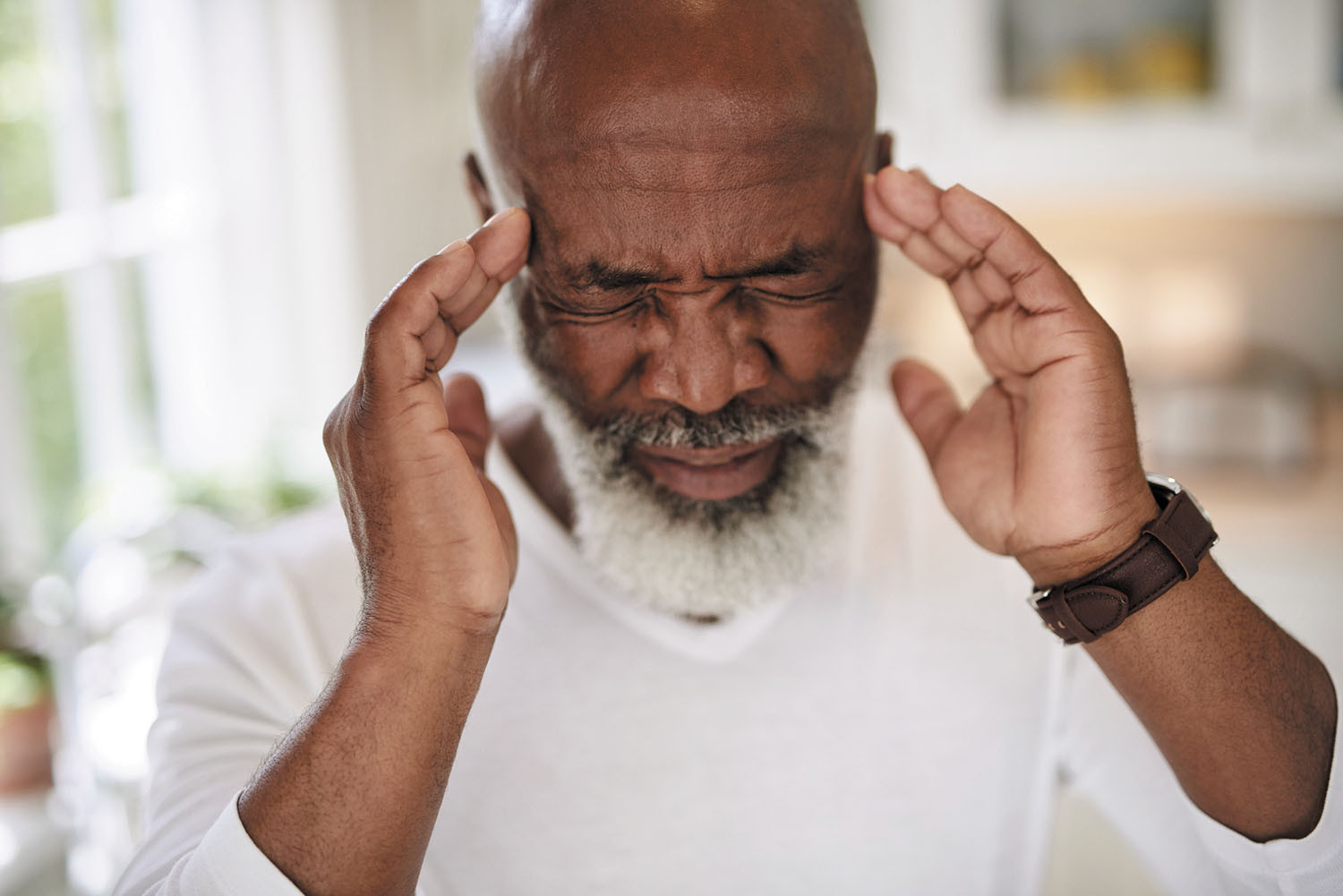
When headaches won't go away
Women are three times more likely than men to get migraine headaches, in part because of the hormone estrogen. A number of different medications are available to prevent migraine and stop them when they first start.


Pain conditions are more common in women
Women are disproportionately affected by conditions that cause chronic pain, but they sometimes have difficulty getting a definitive diagnosis as to what is causing their pain and may be less likely to receive appropriate treatments even when they do.

Better shoes help you walk away from a common cause of heel pain
Plantar fasciitis is a common cause of heel pain. It affects the band of tissue on the bottom of the foot that connects to the heel.
Fatty liver disease: Should you be tested?
Weight-loss drug may lower risk of heart attacks and infections
Testosterone therapy without evidence of deficiency may boost heart risk
Even a little exercise linked with lower stroke risk in people with afib
Antihistamines may not offer meaningful relief from eczema symptoms
What to eat on the DASH diet
Tricep workouts you can do at home
FDA approves first mRNA-based flu vaccine
Migraine: How it's diagnosed and what that means
Mindfulness practices to reduce stress and improve focus
Free Healthbeat Signup
Get the latest in health news delivered to your inbox!
Sign Up
