

Fatty liver disease: Should you be tested?

Even a little exercise linked with lower stroke risk in people with afib

Testosterone therapy without evidence of deficiency may boost heart risk

Weight-loss drug may lower risk of heart attacks and infections

Migraine: How it's diagnosed and what that means

Tricep workouts you can do at home

Mindfulness practices to reduce stress and improve focus

Antihistamines may not offer meaningful relief from eczema symptoms

Overweight and taking blood pressure medications: Study finds it's a trend that's working

FDA approves first mRNA-based flu vaccine
Cholesterol and lipids Archive
Articles

Low-carb and high-fat diet helps obese older adults
In the journals
Scientists continue to explore the right balance of carbohydrates and fat in people's diets. But for overweight or obese older adults, a recent study found that a low-carbohydrate, high-fat diet might offer special health benefits. The results were published online Aug. 12, 2020, by Nutrition and Metabolism.
Researchers asked 40 obese adults, ages 60 to 75, to follow an eight-week diet in which 10% of calories came from carbs, 25% from protein, and 65% from fat. Carb sources included leafy greens, non-starchy vegetables, some fruit, and high-fiber grains. Protein intake consisted of eggs, fish, pork, and poultry. Fat-containing foods included olive oil, coconut oil, nut oils, nut butter, cheese, coconut milk, and avocados.
The danger of “silent” heart attacks
About half of all heart attacks are mistaken for less serious problems and can increase your risk of dying from coronary artery disease.
Image: goir/Getty Images
You can have a heart attack and not even know it. A silent heart attack, known as a silent myocardial infarction (SMI), account for 45% of heart attacks and strike men more than women.
They are described as "silent" because when they occur, their symptoms lack the intensity of a classic heart attack, such as extreme chest pain and pressure; stabbing pain in the arm, neck, or jaw; sudden shortness of breath; sweating, and dizziness.
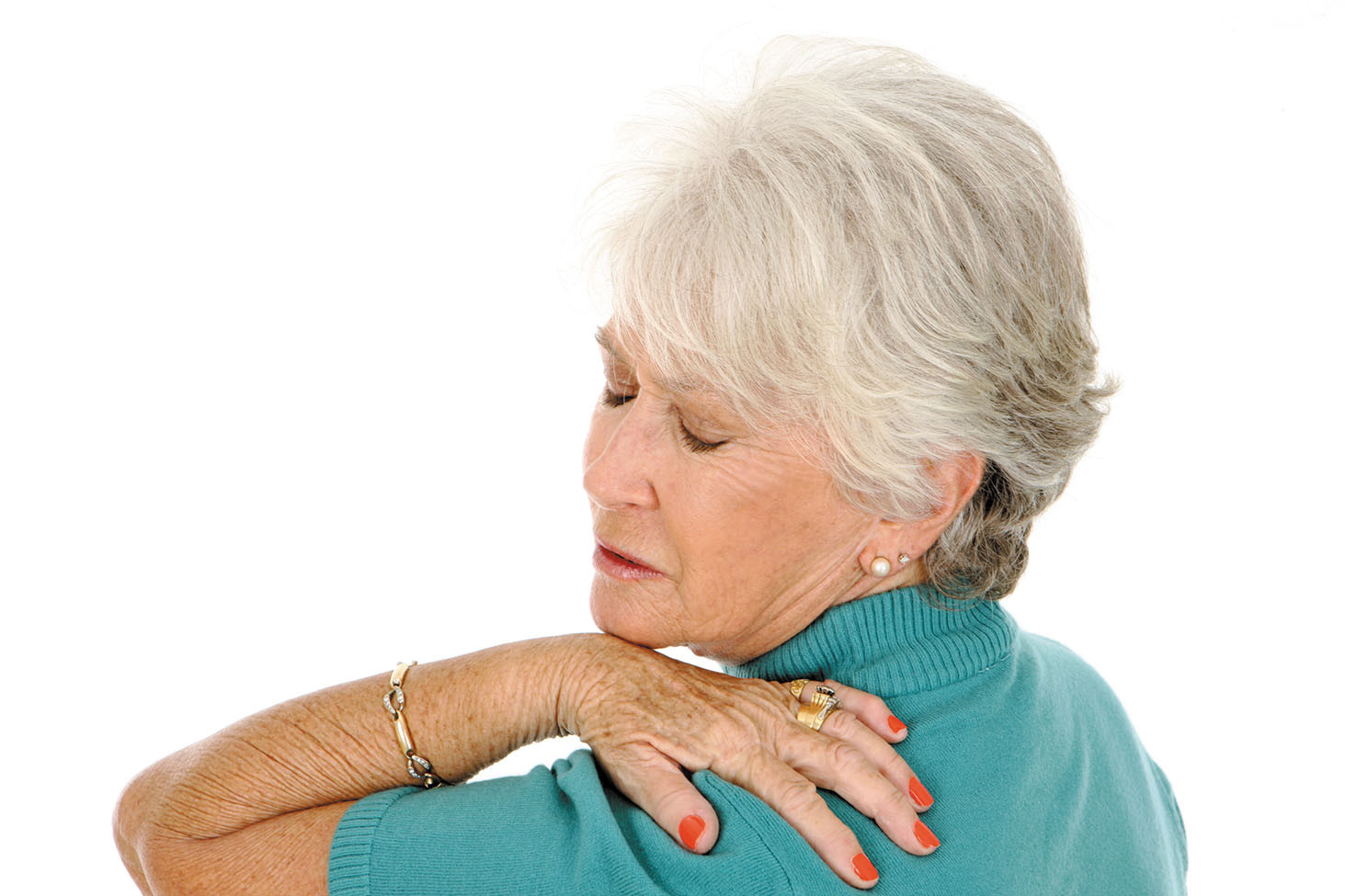
Do you know the signs of a silent heart attack?
As many as half of all heart attacks go unrecognized — and their long-term consequences can be serious.
Image: © hidesy/Getty Images
Most people don't realize that they could have a heart attack without even knowing it. Although these are commonly referred to as "silent" heart attacks, a more accurate term may be "unrecognized" heart attack, says cardiologist Dr. David Morrow, director of the cardiac intensive care unit at Harvard-affiliated Brigham and Women's Hospital.
"Some people do have symptoms, so in that sense, their heart attack is not silent. They just don't recognize the sensations as coming from their heart," he explains. They may think it's just indigestion or muscle pain, when the real cause is actually reduced blood flow to the heart. People may also experience other atypical symptoms, such as nausea or excessive sweating during a heart attack (see "Heart attack symptoms").

Broccoli and related veggies may boost blood vessel health
Research we're watching
Eating a daily serving of cabbage, cauliflower, broccoli, or brussels sprouts is linked to a lower likelihood of harmful calcium buildup in the aorta, the body's largest artery, according to a new report.
The study featured 694 older Australian women who were initially enrolled in a study looking at diet, supplements, and bone fractures. The spine imaging tests used in the study also revealed the amount of calcification in the abdominal portion of the aorta. So researchers used those data to explore the link between diet and aortic calcification, a sign of plaque buildup (atherosclerosis) that leads to cardiovascular disease. The study, which was published online July 17, 2020, by the British Journal of Nutrition, found 46% lower odds of extensive abdominal aortic calcification among women who ate at least 45 grams of cruciferous vegetables daily (equal to one serving; about a half-cup) as compared with women who ate less than 15 grams of cruciferous veggies a day. The vegetables contain substances such as fiber that help discourage atherosclerosis.

Stress-induced brain activity linked to chest pain from heart disease
Research we're watching
Doctors have long known that mental or psychological stress can lead to angina (chest pain or discomfort caused by inadequate blood to the heart). Now, new research reveals a direct correlation between angina and stress-related activity in the brain's frontal lobe. The study included 148 people with coronary artery disease with an average age of 62. All underwent brain and heart imaging tests done in conjunction with mental stress testing, which involved mental arithmetic and public speaking. Imaging tests were also done under "control" conditions, which featured simple counting and recalling a neutral event. Researchers monitored the participants for angina during the tests; they also assessed angina rates again after two years.
Activity in the inferior frontal lobe area of the brain during mental stress was linked to the severity of self-reported angina, both during the brain imaging and at the two-year follow-up. A better understanding of how the brain reacts to stress may be an important consideration for doctors who treat angina, according to the study's lead author. The study was published online Aug. 10, 2020, by the journal Circulation: Cardiovascular Imaging.

Heart-related complications in people hospitalized with the flu
Research we're watching
Serious heart complications are common in people hospitalized with influenza, according to a study published online Aug. 25, 2020, by Annals of Internal Medicine.
Researchers from the CDC looked at the rates of cardiovascular problems in more than 80,000 adults hospitalized with a confirmed case of influenza (commonly called the flu) from 2010 to 2018. Almost 12% had a serious cardiovascular problem, most commonly heart failure or a lack of adequate blood flow to the heart, known as acute coronary syndrome. The body's immune response against the infection can trigger inflammation and other changes that harm the cardiovascular system.

How does inflammation increase the risk for heart attacks?
Ask the doctor
Q. My doctor says I'm at risk for a heart attack because a test shows inflammation. I know about high cholesterol and blood pressure, but how does inflammation increase the risk for heart attacks?
A. I can understand why you're puzzled. In medical school I learned that there is a simple road to a heart attack. First, cholesterol starts building up in the wall of a coronary artery carrying blood to the heart muscle. Over many years, the plaque of cholesterol slowly grows bigger. When it grows large enough that the heart can't get the blood it needs to work hard, the heart cries out in pain — chest pain, a condition called angina. Finally, when the plaque grows large enough, it blocks the flow of blood completely, causing a heart attack. It was a beautifully simple explanation.

Fatty liver disease: Should you be tested?
Even a little exercise linked with lower stroke risk in people with afib
Testosterone therapy without evidence of deficiency may boost heart risk
Weight-loss drug may lower risk of heart attacks and infections
Migraine: How it's diagnosed and what that means
Tricep workouts you can do at home
Mindfulness practices to reduce stress and improve focus
Antihistamines may not offer meaningful relief from eczema symptoms
Overweight and taking blood pressure medications: Study finds it's a trend that's working
FDA approves first mRNA-based flu vaccine
Free Healthbeat Signup
Get the latest in health news delivered to your inbox!
Sign Up
