

CoQ10: Should you take this popular supplement if you're on a statin?

Microplastics: A hidden health threat?

Oat vs. dairy milk: Nutrition, benefits, and downsides

What is tempeh? Benefits, nutrition, and how to use it

Healing after food poisoning

Children of centenarians may stay healthier and live longer too, study finds

Light exposure at night may raise risk for heart disease

A lumbar belt may help ease low back pain

Whole grains may improve several heart risk factors at once

Signs of pneumonia: Sometimes vague and unexpected
Caregiving Archive
Articles

Is your home a haven for allergens?
News briefs
Spring is on the way, which means allergy season is around the corner. But it's not just springtime pollen that can trigger a runny nose and itchy, watery eyes. Indoor allergens — such as mold, pet dander, and dust mites — can lead to allergy symptoms in some people or make allergy and asthma symptoms worse. And a study published Nov. 30, 2017, in the Journal of Allergy and Clinical Immunology found that 90% of homes have three or more allergens, with at least one allergen at high levels in 73% of homes. Researchers combed through information collected in a large national survey that also assessed allergen levels in bedroom dust collected from nearly 7,000 U.S. households. The presence of pets and pests (cockroaches, rodents) were the major contributors to high levels of indoor allergens in participating homes. Study authors recommend reducing indoor allergens by sealing entry points for pests, keeping pets out of the bedroom, and making sure each week to wash bedding in hot water and vacuum carpets and upholstered furniture.
Sugary drink consumption appears to be down, but is it low enough?
News briefs
Here's some encouraging news about how many sugary drinks we're guzzling in the United States: an observational study led by Harvard researchers, published online Nov. 14, 2017, by Obesity, suggests that consumption of sugar-sweetened beverages fell significantly between 2004 and 2014. Researchers looked at data collected from more than 18,000 children and teens and more than 27,000 adults ages 20 or older. Every two years, people were asked about the kinds of drinks they'd had in the previous 24 hours, such as soda or juice. About 60% of kids and 50% of adults reported drinking a sugary beverage on any given day in 2014, down from 80% of kids and about 62% of adults in 2004. The percentage of adults ages 60 or older who reported drinking a sugary beverage on any given day dropped from 46% in 2004 to 39% in 2014. While the declines are a step in the right direction, consumption of these drinks was still highest among those at higher risk for obesity, such as African American and Hispanic participants (across all age groups). Remember: the average can of soda has about 40 grams of added sugar, far more than the American Heart Association's recommended limit of 24 grams of added sugar per day for women, and 36 grams per day for men. Consuming too much added sugar is associated with weight gain and an increased risk for developing type 2 diabetes and a heart attack.
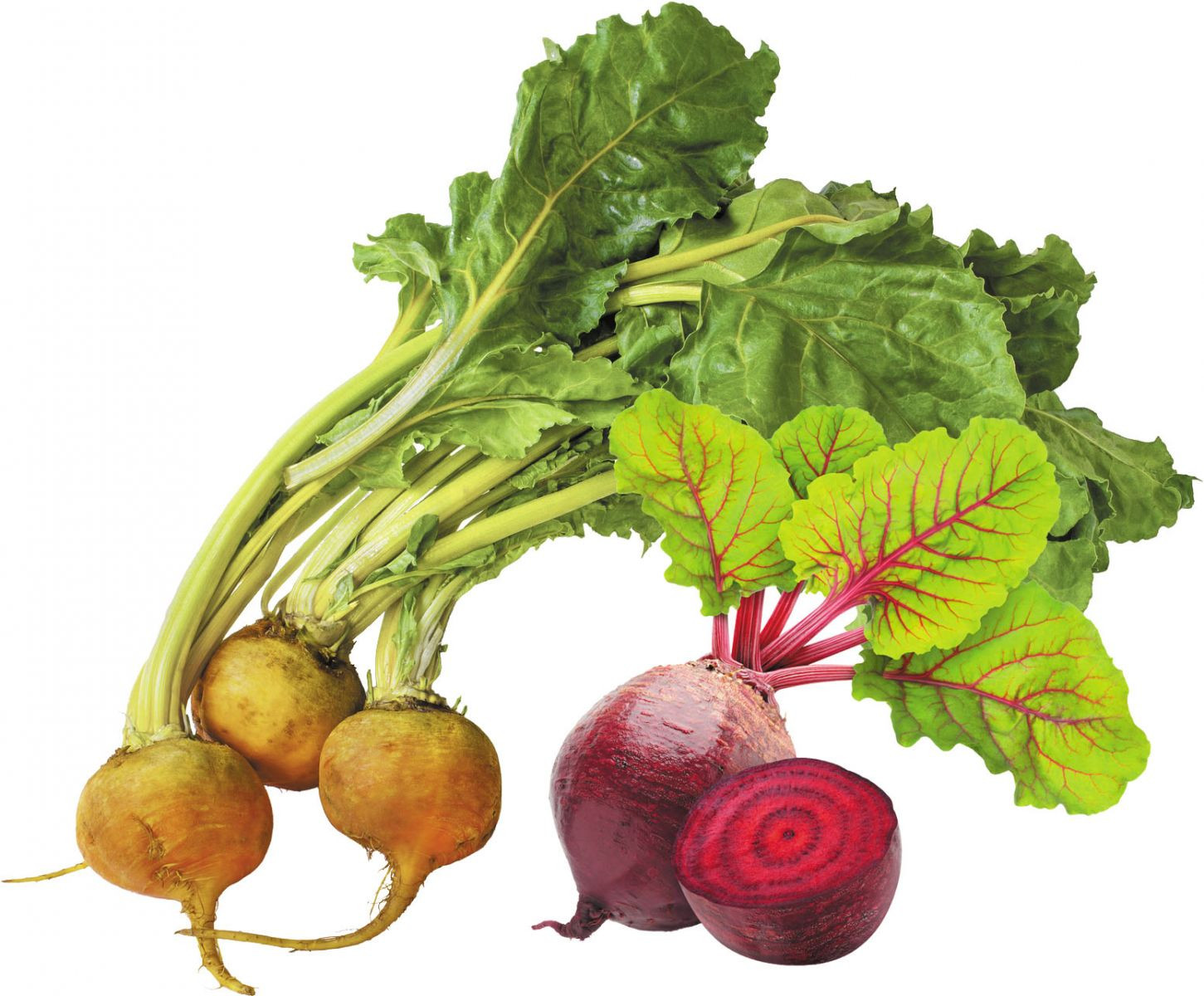
Vegetable of the month: Beets
Image: EvergreenPlanet; © Anna Kucherova/Thinkstock
Despite their striking colors — ruby red, golden yellow, and even candy-striped — beets aren't exactly the most popular vegetable on the block. But what if you make them sound more enticing? It turns out that people may eat more "dynamite chili and tangy lime-seasoned beets" than plain old "beets."
In a study done at a Stanford University cafeteria, researchers found that people ate about 25% more vegetables if the selections were described in indulgent terms rather than basic or healthy terms (such as "lighter-choice beets with no added sugar") even though all the dishes were prepared exactly the same way. Other examples of indulgently named veggie dishes included "zesty ginger-turmeric sweet potatoes" and "sweet sizzlin' green beans and crispy shallots." So if you're hoping to entice friends or family to try beets (or other vegetables), add some appealing adjectives to the description.

Mindfulness can improve heart health
Research suggests a regular meditation practice could protect against heart disease. Here's how to begin one.
Image: © Wavebreakmedia Ltd/Thinkstock
What's good for the mind also tends to be good for the heart.
The mind-calming practice of meditation may play a role in reducing your risk of heart disease, according to a scientific statement published in the Sept. 28, 2017, Journal of the American Heart Association.
Quit smoking with electronic cigarettes?
On call
Q. I have tried to quit smoking many times without success. Are electronic cigarettes a good way to help break the habit?
A. Electronic cigarettes (or e-cigarettes) have gained popularity over the past few years, but their effectiveness in helping smokers quit and their long-term safety remain uncertain. E-cigarettes use a battery-powered heating element to vaporize a nicotine liquid, which is then inhaled like cigarette smoke. E-cigarettes are now available in a variety of styles with added flavors in the liquid.

Finding purpose in life
You may no longer play the role of breadwinner and family man, but there are still ways to stay engaged with life.
Image: © Ildo Frazao/Thinkstock
For most of their adult lives, men are defined by what they do and how they do it, from their chosen career to their role in the family. However, as you age, you can lose your once-defined sense of purpose — the desire to pursue goals, feel life is worth living, and have a general enthusiasm for living.
You retire, the nest empties out, and you may have accomplished most of your personal and professional goals. "What do I do for the rest of my life?" becomes a nagging question.

Antidepressants not always effective in people with chronic disease
In the journals
Some antidepressants may not offer much relief for people who battle both depression and a chronic disease, according to research in the Nov. 21, 2017, Journal of the American Medical Association.
Nearly half of Americans live with a chronic condition, according to the CDC, and many also suffer from depression, including more than half of Parkinson's disease patients, 41% of cancer patients, and more than 25% of those with diabetes.
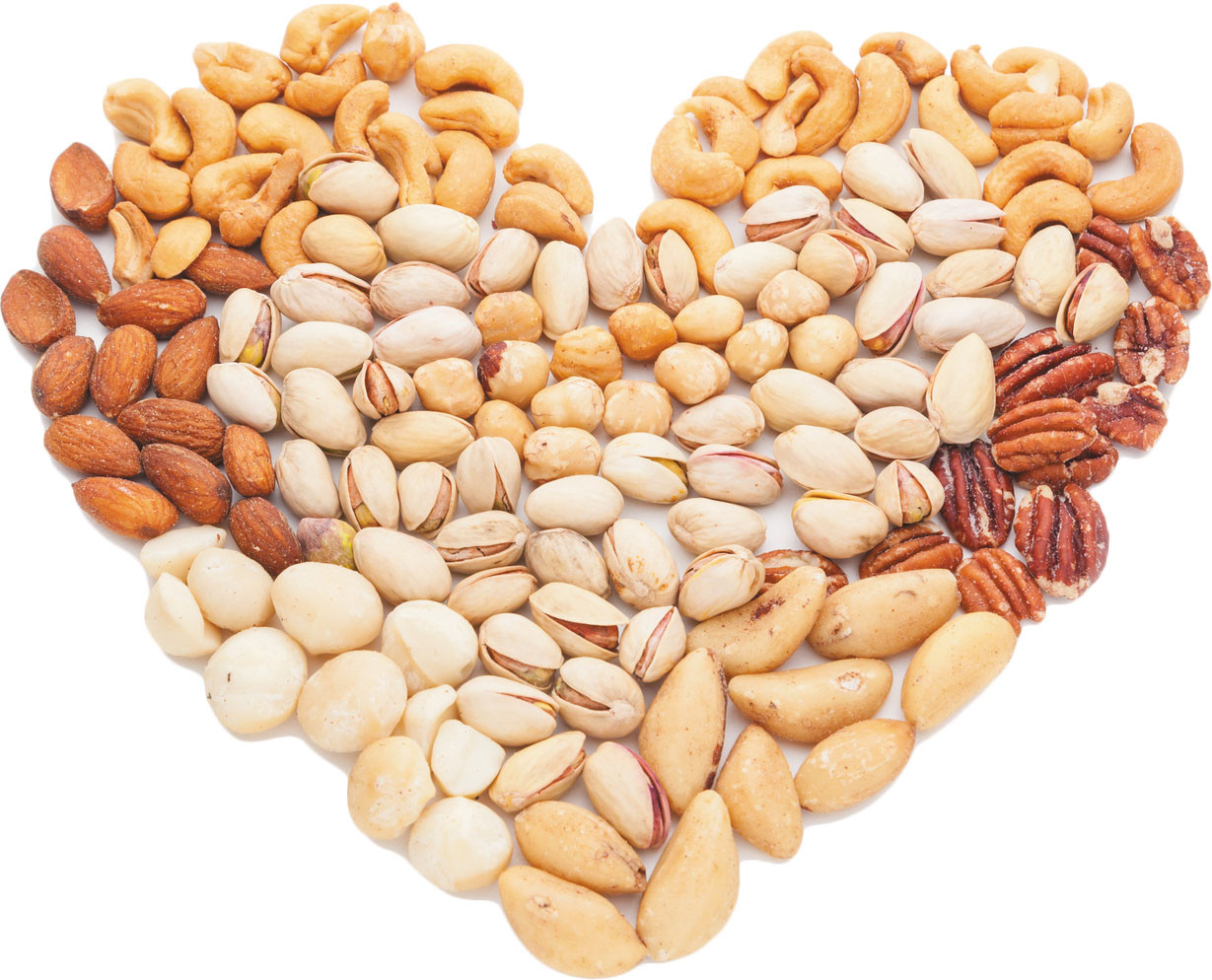
Eating a daily serving of nuts linked with lower risk of heart disease
In the journals
Image: © vorclub/Thinkstock
Eating nuts has been linked with a lower risk of heart disease. Now, the largest study to date on the subject suggests that regular consumption, and not any specific nut, offers the greatest benefit. The research, published online Nov. 13, 2017, by the Journal of the American College of Cardiology looked at more than 210,000 people who shared information on their eating habits and health over a 32-year period.
The results showed that those who ate nuts — such as peanuts or tree nuts like walnuts, almonds, and cashews — on a daily basis had a much lower risk of developing cardiovascular disease or coronary artery disease compared with people who rarely or never ate nuts.
Get moving to avoid blood clots from TV watching
In the journals
Even if you get enough exercise, you are still at risk for blood clots from too much sitting in front of the TV, according to research presented at the American Heart Association's Scientific Sessions in November 2017.
Prolonged TV viewing has already been associated with heart disease involving blocked arteries, but this is the first study in a Western population to look at blood clots in the veins of the legs, arms, pelvis, and lungs known as venous thromboembolism.
CoQ10: Should you take this popular supplement if you're on a statin?
Microplastics: A hidden health threat?
Oat vs. dairy milk: Nutrition, benefits, and downsides
What is tempeh? Benefits, nutrition, and how to use it
Healing after food poisoning
Children of centenarians may stay healthier and live longer too, study finds
Light exposure at night may raise risk for heart disease
A lumbar belt may help ease low back pain
Whole grains may improve several heart risk factors at once
Signs of pneumonia: Sometimes vague and unexpected
Free Healthbeat Signup
Get the latest in health news delivered to your inbox!
Sign Up
