

Fatty liver disease: Should you be tested?

Weight-loss drug may lower risk of heart attacks and infections

Testosterone therapy without evidence of deficiency may boost heart risk

Even a little exercise linked with lower stroke risk in people with afib

Antihistamines may not offer meaningful relief from eczema symptoms

What to eat on the DASH diet

Tricep workouts you can do at home

FDA approves first mRNA-based flu vaccine

Migraine: How it's diagnosed and what that means

Mindfulness practices to reduce stress and improve focus
Caregiving Archive
Articles


The best way to beat colon cancer
When do you need to get screened, and how often?
One of the deadliest cancers can be prevented or detected at a curable stage if you follow recommended screening guidelines.
Colon cancer is the second most common cause of cancer deaths in the United States, according to the American Cancer Society (ACS). The good news is that the death rate has steadily dropped over the past several decades among older adults. (However, among people under 55, death rates from colon cancer have grown slowly, but steadily, since 2008.)

Moderate amounts of coffee are the best
Drinking no more than four or five 8-ounce cups of coffee per day—equal to about 400 milligrams of caffeine—helps people get the drink's health benefits with a lower risk of caffeine side effects like anxiety and nervousness.

Blood test could find Alzheimer’s disease before symptoms appear
In the journals
Researchers are close to finding early cancer with a blood test. They may soon do the same with Alzheimer's disease. A new blood test called p-tau217 has shown great promise in diagnosing people with the disease, according to findings published online July 28, 2020, by JAMA.
The test looks for a specific type of tau protein in the blood. In people with Alzheimer's, tau protein in the brain forms tangles. Accumulation of tau protein tangles along with beta-amyloid deposits is thought to play a key role in how the disease develops.

Happy holidays?
Here's how to cope when your usual traditions get uprooted.
The holiday season, like just about everything else this year, probably won't look the same as usual. Whether that means going to smaller gatherings without the usual relatives, quarantining when traveling, or staying home entirely, chances are something will be different this year thanks to the COVID-19 pandemic. For many who look forward to a full table at Thanksgiving or a big party on New Year's Eve, these changes are unwelcome, and frankly a little depressing.
In response, people may experience emotions ranging from guilt to loneliness to a feeling of disconnected sadness, says Dr. Hilary Connery, assistant professor of psychiatry at Harvard Medical School.

Should I get a flu shot this year?
Ask the doctors
Q. I'm debating whether I need to get a flu shot this year. Do you think it's worthwhile?
A. The answer to this question is an emphatic yes. It's more important than ever to get a flu shot this year for a number of reasons. First, it will reduce your likelihood of contracting, being hospitalized for, or dying from influenza, which should be reason enough to roll up your sleeve. In addition, if you do get sick with the flu after being vaccinated, the vaccine can reduce the severity of your illness.
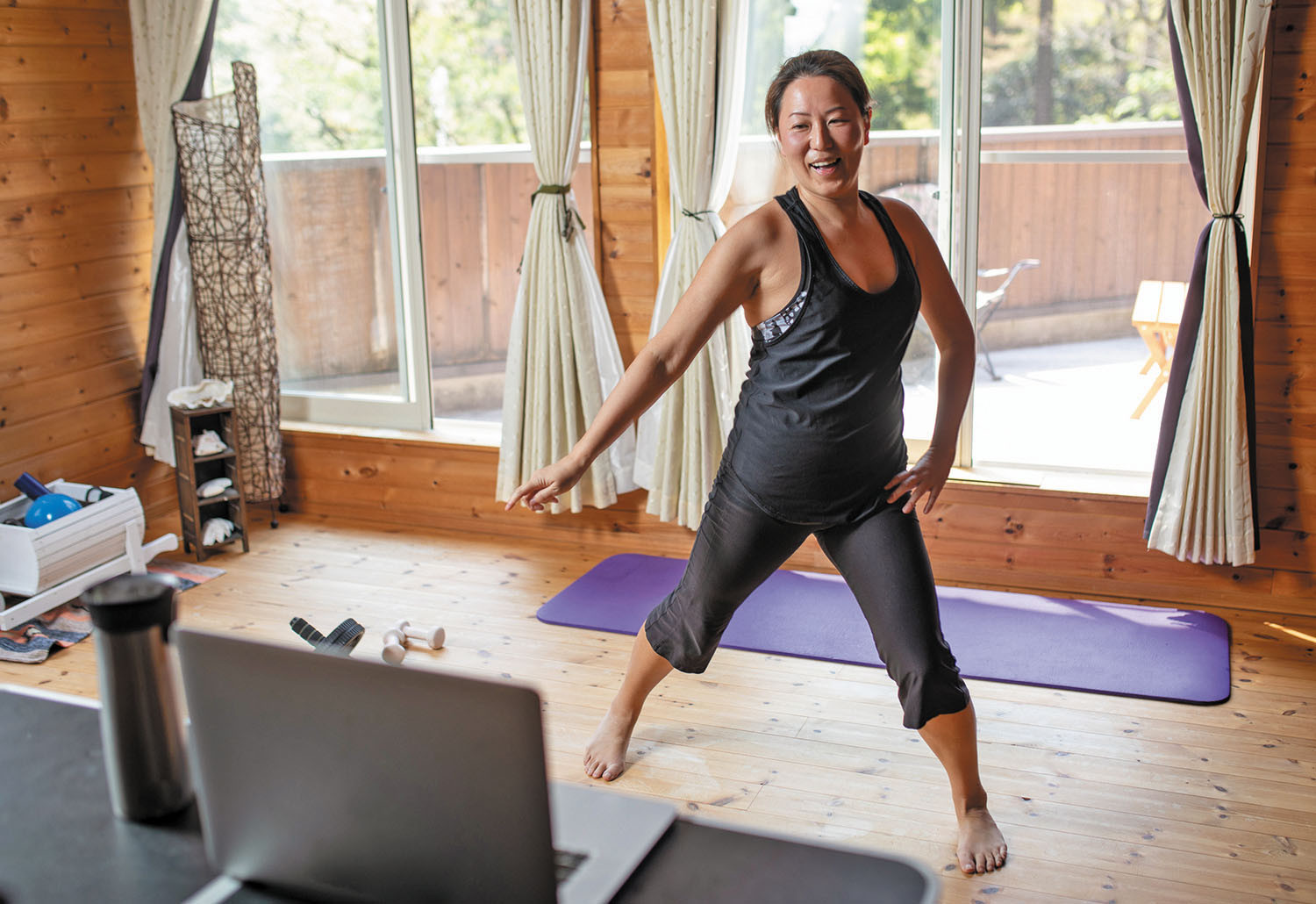
Stuck at home?
You can get a good workout anyway.
The winter months present numerous challenges to maintaining your fitness in a typical year. This year, with the COVID-19 pandemic, it may be harder than ever to get to the gym or your usual exercise class.
What can you do to keep your body in motion and not lose ground as the weather turns colder? The answer, luckily, is plenty, says Dr. Beth Frates, an assistant professor physical medicine and rehabilitation at Harvard Medical School. There are many effective workouts that don't require a large space, a gym, expensive equipment, or even a live instructor.

Common ways to fight the common cold
These three remedies may reduce symptom duration and severity.
While there's no cure for the common cold, everyone seems to have a surefire remedy they embrace.
Some of the popular ones are sucking on zinc lozenges, boosting your vitamin C intake, and even slurping up steaming bowls of old-fashioned chicken soup.

Broccoli and brussels sprouts may promote heart health
Broccoli, brussels sprouts, and other cruciferous vegetables are associated with fewer calcified fatty plaques in the aorta.

New ingredient may keep bugs at bay
Research we're watching
A new type of bug spray may hit the market in the next few years. The Environmental Protection Agency recently approved a new ingredient for use in these products. Called nootkatone, this ingredient, which smells like grapefruit, is hoped to safely kill and drive away mosquitos and ticks. Studies show that it's about as effective as other ingredients used in insect sprays, and it can provide protection against bugs for several hours at a time.
Nootkatone is found naturally in Alaska yellow cedar trees as well as in grapefruit skin and has long been used in perfumes. Now that the ingredient is registered with the EPA, companies can use it to develop commercial insecticides, something that could happen as soon as 2022, according to the CDC. This will expand the options for insect control and may be particularly useful in areas where insects have become resistant to existing products, says the CDC.
Fatty liver disease: Should you be tested?
Weight-loss drug may lower risk of heart attacks and infections
Testosterone therapy without evidence of deficiency may boost heart risk
Even a little exercise linked with lower stroke risk in people with afib
Antihistamines may not offer meaningful relief from eczema symptoms
What to eat on the DASH diet
Tricep workouts you can do at home
FDA approves first mRNA-based flu vaccine
Migraine: How it's diagnosed and what that means
Mindfulness practices to reduce stress and improve focus
Free Healthbeat Signup
Get the latest in health news delivered to your inbox!
Sign Up
