

Using a vibration plate: What it can — and can't — do for your body

The surprising link between ovarian cancer and the fallopian tubes

People who walk more or walk faster live longer, study finds

For sleep apnea, a dental device may be as effective as CPAP

Rosacea treatments: What works?

Carb cycling: What is it, and does it work?

Salmonella, E. coli, Cyclospora, and other germs that cause food poisoning: What you need to know

Melatonin or magnesium: Can either supplement help you sleep?

Understanding orthorexia: Have your healthy eating goals gone too far?

Naturally gluten-free foods
Blood Pressure Archive
Articles

Broken-heart syndrome (takotsubo cardiomyopathy)
Takotsubo cardiomyopathy, also called broken-heart syndrome, is a weakening of the left ventricle that is usually the result of severe stress. Its symptoms resemble those of a heart attack, and treatment is usually the same as that for heart failure.

Should you worry about high triglycerides?
Learn to manage your triglyceride levels to avoid having a higher risk of heart disease and stroke.

Can we reduce plaque buildup in arteries?
Making plaque disappear is not possible, but it is possible to shrink and stabilize it. Drugs called statins can help with this, and so can eating a heart-healthy diet, exercising, and quitting smoking.

What is a normal heart rate?
Exercise can lower resting heart rate and raise maximum heart rate to reduce the risk of heart attack and death.
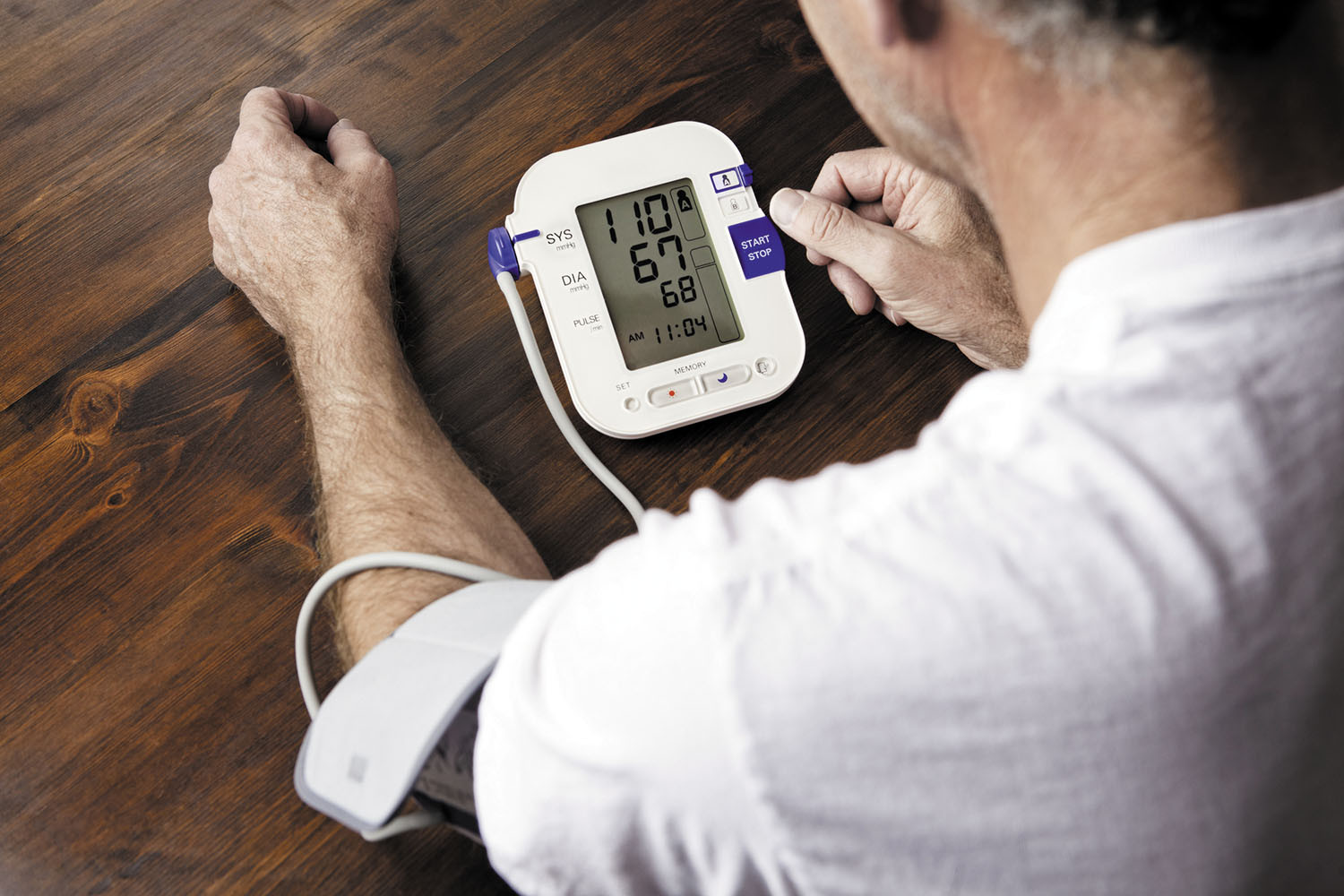
A look at diastolic blood pressure
When it comes to managing blood pressure, doctors tend to focus on lowering the top (systolic) number, but the bottom (diastolic) number also plays an essential role in heart health. Diastolic pressure is the pressure during the resting phase between heartbeats, and helps coronary vessels supply oxygen to the heart muscle. It's important to keep both blood pressure numbers low per guidelines, but research suggests the diastolic number should not fall too low.
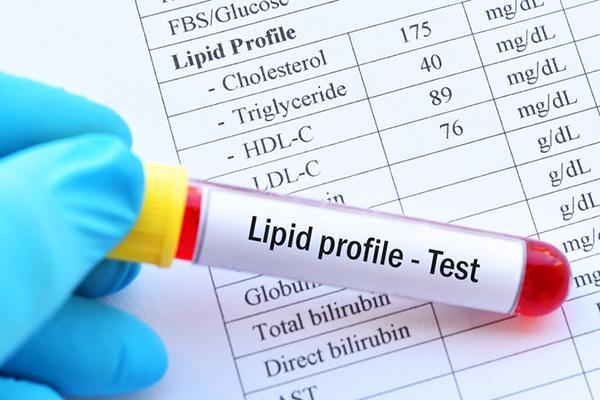
Take-home advice from the new cholesterol guidelines
The 2026 lipid guidelines explain how people can estimate and lower their risk of a heart attack. They include information about tools and tests, updated targets for LDL (bad) cholesterol, and advice about lifestyle changes and medications.
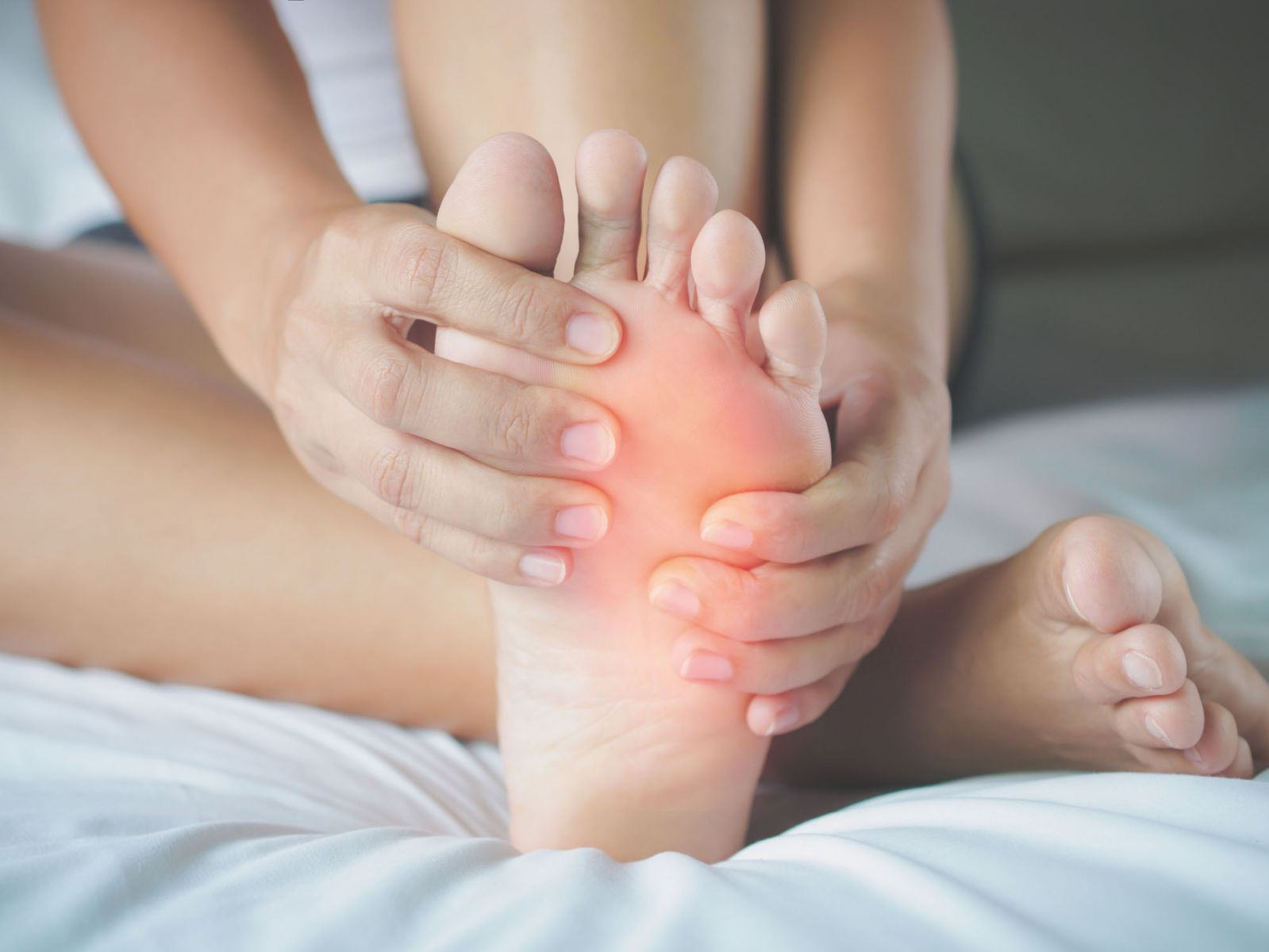
What's causing swollen feet and ankles?
Sometimes swollen feet are a red flag for an underlying vascular, bone-related, or skin-related health condition.

5 overlooked symptoms that may signal heart trouble
Pain in the chest sometimes is a symptom of heart disease. But heart problems aren't always obvious. Fatigue, unexplained aches and pains, shortness of breath, swollen feet or ankles, and heart palpitations may also indicate heart trouble.
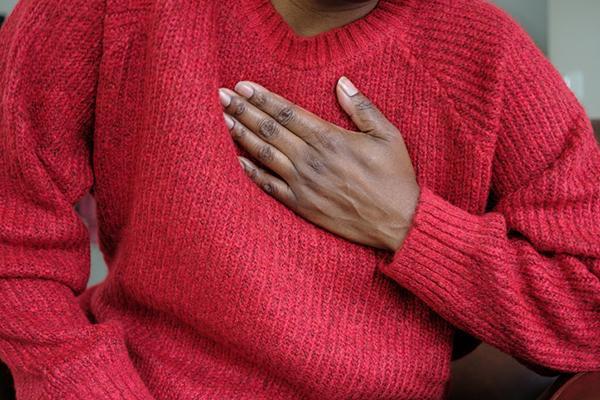
What does it mean to have an enlarged heart?
An “enlarged” heart on an X‑ray doesn’t always mean trouble. Further heart imaging can help reveal what’s really going on.

Night owls' habits linked to worse heart health
Compared to people who have moderate sleep-and-wake patterns, night owls may be more likely to have unhealthy habits that put their heart health at risk, according to a 2026 study.
Using a vibration plate: What it can — and can't — do for your body
The surprising link between ovarian cancer and the fallopian tubes
People who walk more or walk faster live longer, study finds
For sleep apnea, a dental device may be as effective as CPAP
Rosacea treatments: What works?
Carb cycling: What is it, and does it work?
Salmonella, E. coli, Cyclospora, and other germs that cause food poisoning: What you need to know
Melatonin or magnesium: Can either supplement help you sleep?
Understanding orthorexia: Have your healthy eating goals gone too far?
Naturally gluten-free foods
Free Healthbeat Signup
Get the latest in health news delivered to your inbox!
Sign Up
