

Even a little exercise linked with lower stroke risk in people with afib

Testosterone therapy without evidence of deficiency may boost heart risk

Weight-loss drug may lower risk of heart attacks and infections

What to eat on the DASH diet

Migraine: How it's diagnosed and what that means

Tricep workouts you can do at home

Mindfulness practices to reduce stress and improve focus

Antihistamines may not offer meaningful relief from eczema symptoms

Overweight and taking blood pressure medications: Study finds it's a trend that's working

FDA approves first mRNA-based flu vaccine
Bladder health and disorders Archive
Articles

What are the long-lasting effects of COVID-19?
Ask the doctor
Q. I read that the death rate from COVID-19 is going down, but that people who recover from the infection still can remain sick for a long time. Is that true?
A. It is true, but we don't yet know how big the problem is: COVID-19 has been with us for only a year, and there hasn't been enough time to know the long-term effects.
Urine color and odor changes
Surprising factors influence urine color and odor including food and medication
Many things can alter the look and smell of your urine. When should you be concerned?
Nearly six and a half cups — that's how much urine the average person produces a day, usually in four to eight trips to the toilet. The ritual is so routine that most of us pay little attention to our urine — that is, unless it happens to look or smell different than usual.

Blood in the urine: What does it mean for your health?
Urinary bleeding can be dramatic and frightening, prompting an appropriate call to your doctor. But sometimes the call travels in the other direction; many people are surprised and alarmed to get a call from their doctors reporting that the urine that looked clear in the specimen jar actually contains red blood cells (RBCs). Either way, blood in the urine, known technically as hematuria, requires medical evaluation. Although the results are often reassuring, hematuria is a warning symptom that you should never ignore.
Blood can enter the urine from any place in the urinary tract. So the first step in understanding hematuria is to understand your anatomy.

When should I be concerned about the color of my urine?
On call
Q. When should I worry about changes in the color of my urine? What color is considered healthy?
A. If a person is well hydrated, the normal color of urine is a pale yellow. Someone who drinks large amounts of fluid or takes diuretics (water pills) can have almost clear-looking urine. A dark yellow color may indicate a need to increase your fluid intake.
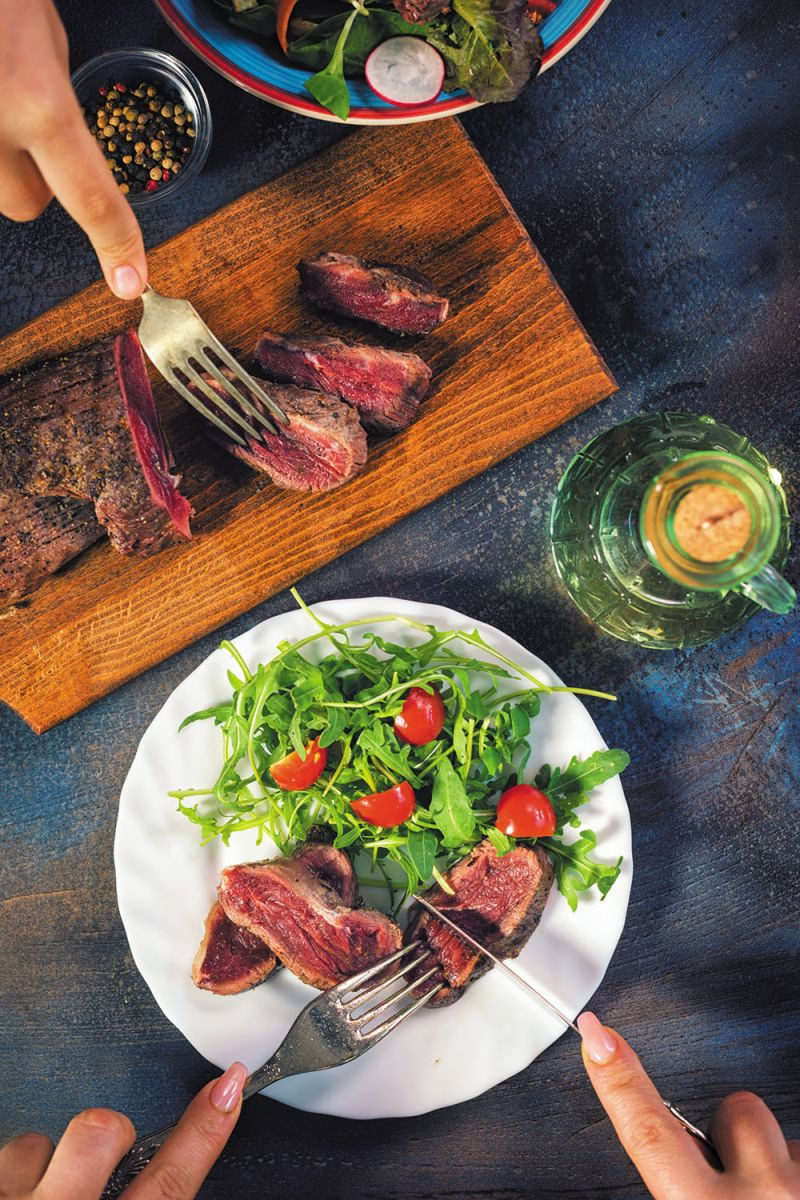
Red meat, TMAO, and your heart
A substance called trimethylamine N-oxide, which is produced when your body digests red meat, may raise the risk of cardiovascular problems.
Experts used to think that red meat raised your risk of heart disease simply because it was high in saturated fat. But today that picture has gotten more complicated thanks to the discovery of a metabolite — a substance produced during digestion and metabolism — called trimethylamine N-oxide, or TMAO.
According to a news article published June 11 in JAMA, three recent analyses have linked high blood levels of TMAO with a higher risk for both cardiovascular disease and early death from any cause. In one of those studies, researchers found that people with higher levels of TMAO in their blood may have more than twice the risk of heart attack, stroke, or other serious cardiovascular problems, compared with people who have lower levels. Other studies have found links between high TMAO levels and heart failure and chronic kidney disease.

Keeping kidney stones at bay
Kidney stones strike twice as many men as women, but there are simple ways to stop their formation.
Image: © pixologicstudio/Getty Images
If you've ever passed a kidney stone, you will never forget it, and you'll do anything to avoid it again. If you haven't, here is what you could expect: unbearable pain centered in your mid- to lower back that often comes in waves for 20 minutes to an hour at a time, until the tiny stones finally pass out of the body through your urine.
Unfortunately, as you age, the odds of getting kidney stones tends to rise. "Kidney stones are more common in men than in women, and in about half of people who have had one, kidney stones strike again within 10 to 15 years without preventive measures," says Dr. Brian Eisner, co-director of the Kidney Stone Program at Harvard-affiliated Massachusetts General Hospital.

Study aims to boost water intake to prevent kidney stones
Research we're watching
Image: © wildpixel/Thinkstock
Can a high-tech water bottle help prevent painful kidney stones? The National Institutes of Health is hoping to find out. As many as one in every 11 people in the United States today has experienced a painful kidney stone. Kidney stones, a condition also referred to as nephrolithiasis or urolithiasis, are hard deposits that form inside the kidneys. They can be as small as a grain of sand or the size of a marble or larger. Symptoms of a stone include excruciating pain, interrupted urine flow, or bleeding inside the urinary tract. In short, kidney stones are definitely something you want to avoid. One way to keep stones from developing is to drink lots of water. The problem is, people who have had a stone often don't drink enough water to prevent new ones from forming, even when they're told how important it is to stay hydrated.
This trial, which will enroll 1,642 people, is trying to change that by using a "smart" water bottle that not only encourages people to drink a target amount of water each day, but also tracks their consumption using an app. People in the test group who reach their daily fluid intake targets will get financial incentives. Health coaches will provide added support to help participants achieve their goals. The findings could shed new light on how to get people to change their behavior to prevent this common and painful condition. For more information on the trial or to see if you qualify, visit www.health.harvard.edu/push.

Can I use red yeast rice instead of a statin to lower my cholesterol?
Ask the doctors
Q. My bad cholesterol has been rising, and my doctor suggested that I start taking a statin. I've read that red yeast rice has many of the cholesterol-lowering benefits of a statin, and I would rather go the natural route. However, I recently heard on a newscast that red yeast rice can have adverse effects on the kidneys. Is it still safe for me to take this supplement?
A. It's true that red yeast rice, which contains monacolin K, a chemical that's identical to the active ingredient in the cholesterol-lowering drug lovastatin (Mevacor), may reduce your LDL (bad) cholesterol and lower your total cholesterol. However, an independent analysis of a dozen 600-milligram (mg) capsules of red yeast rice products conducted a few years ago found that the actual monacolin K content varied widely — from 0.1 mg to 10.9 mg. (The lowest dose of lovastatin is 20 mg.) In addition, one-third of the products were contaminated with a potentially toxic compound called citrinin, which can damage the kidneys. The Food and Drug Administration (FDA) has blocked the sale of red yeast rice supplements that contain enough of the active ingredient to make them as effective as lovastatin because they haven't undergone the drug approval process. Unlike FDA-approved drugs, supplements can be sold without proof of effectiveness and purity.

When the blood supply to the kidneys suffers
The renal arteries, which supply blood to the kidneys, can become narrowed or blocked—a condition known as renal artery stenosis. Image: Thinkstock |
Fatty plaque in the arteries that feed the kidneys poses a danger to the heart and brain.

Getting to the heart of kidney disease
Controlling blood pressure and blood sugar will help both your heart and your kidneys.
On the surface, it's difficult to see how coronary artery disease and kidney damage might be related. But on the cellular level, the two conditions often go hand in hand. A closer look reveals the key. Underlying both conditions are two powerful risk factors: high blood pressure and diabetes, each of which damages the heart and kidneys independently.
Even a little exercise linked with lower stroke risk in people with afib
Testosterone therapy without evidence of deficiency may boost heart risk
Weight-loss drug may lower risk of heart attacks and infections
What to eat on the DASH diet
Migraine: How it's diagnosed and what that means
Tricep workouts you can do at home
Mindfulness practices to reduce stress and improve focus
Antihistamines may not offer meaningful relief from eczema symptoms
Overweight and taking blood pressure medications: Study finds it's a trend that's working
FDA approves first mRNA-based flu vaccine
Free Healthbeat Signup
Get the latest in health news delivered to your inbox!
Sign Up
