

Even a little exercise linked with lower stroke risk in people with afib

Testosterone therapy without evidence of deficiency may boost heart risk

Weight-loss drug may lower risk of heart attacks and infections

What to eat on the DASH diet

Migraine: How it's diagnosed and what that means

Tricep workouts you can do at home

Mindfulness practices to reduce stress and improve focus

Antihistamines may not offer meaningful relief from eczema symptoms

Overweight and taking blood pressure medications: Study finds it's a trend that's working

FDA approves first mRNA-based flu vaccine
Bladder health and disorders Archive
Articles
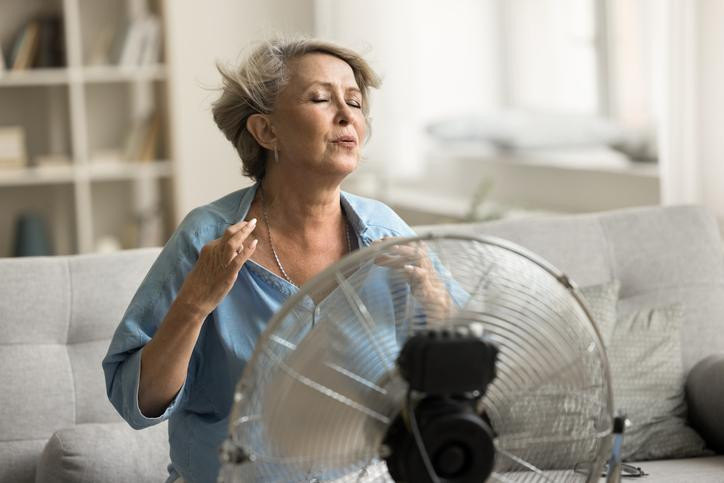
Extreme heat endangers older adults: What to know and do
The surge in heat waves and extreme heat poses serious health risks for everyone but is a particular worry for older adults. What can you do to manage heat-related risks, especially if you have existing health conditions or take certain medications?

Kidney stones: From agony to action
Kidney stones are increasingly common among Americans. Made of minerals and acid salts in the urine, the hard deposits cause symptoms when they get stuck in the ureter, the tube that leads to the bladder. Symptoms include excruciating pain, blood in the urine, nausea, vomiting, fever, and chills. Risk factors for kidney stones include low fluid intake, family history, pregnancy, obesity, high blood pressure, gastric bypass surgery, and eating foods high in salt or sugar. Most kidney stones pass on their own, but treatments can retrieve or destroy the stones.


Pelvic floor SOS
An estimated six in 10 women will at some point experience symptoms from pelvic floor weakness. Risk factors include pregnancy (especially with vaginal delivery), chronic constipation, family history, smoking, aging, menopause, obesity, chronic coughing, and occupations involving heavy lifting. Women with pelvic floor weakness may experience signs such as leaking urine, having trouble using a tampon, being unable to fully empty their bladder or rectum, and feeling a bulge in their vagina.

Exercises that go easy on the bladder
Several strategies can help people cope when stress incontinence leads to urine leaks during exercise. For example, doing low-impact (rather than high-impact) exercise will put less stress on the pelvic floor muscles, helping to reduce leakage. Wearing absorbent "bladder leak" underwear can keep someone dry and comfortable during activity. Regularly strengthening the pelvic floor, abdominal, and hip muscles will bolster the body's ability to keep urine from leaking out of the bladder.


More water may equate to more health benefits
A 2024 research review suggested that drinking more water can help people stave off a variety of health problems as well as promote weight loss.

You don't say? Can your bladder burst from "holding it" too long?
While men sometimes hold off urinating until absolutely necessary, waiting too long won't cause serious damage to their bladder. Still, over time, the practice could possibly raise the risk for urinary tract infections and make urinating difficult.


Even a little exercise linked with lower stroke risk in people with afib
Testosterone therapy without evidence of deficiency may boost heart risk
Weight-loss drug may lower risk of heart attacks and infections
What to eat on the DASH diet
Migraine: How it's diagnosed and what that means
Tricep workouts you can do at home
Mindfulness practices to reduce stress and improve focus
Antihistamines may not offer meaningful relief from eczema symptoms
Overweight and taking blood pressure medications: Study finds it's a trend that's working
FDA approves first mRNA-based flu vaccine
Free Healthbeat Signup
Get the latest in health news delivered to your inbox!
Sign Up
