

Even a little exercise linked with lower stroke risk in people with afib

Testosterone therapy without evidence of deficiency may boost heart risk

Weight-loss drug may lower risk of heart attacks and infections

What to eat on the DASH diet

Migraine: How it's diagnosed and what that means

Tricep workouts you can do at home

Mindfulness practices to reduce stress and improve focus

Antihistamines may not offer meaningful relief from eczema symptoms

Overweight and taking blood pressure medications: Study finds it's a trend that's working

FDA approves first mRNA-based flu vaccine
Bladder health and disorders Archive
Articles
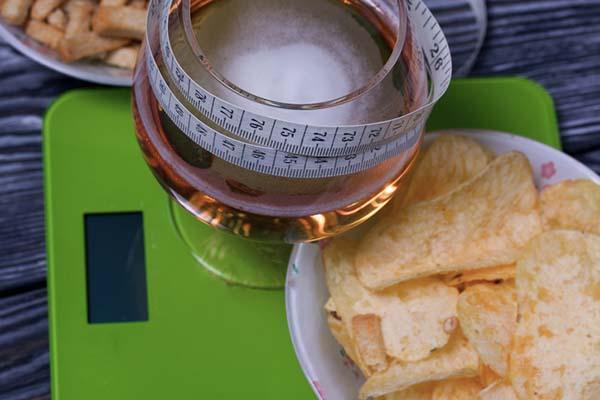
Could your diet be contributing to kidney stones?
Everyday eating and drinking habits may influence kidney stone risk. Explore which foods and beverage choices have the most impact.
Is it safe for a woman to take Flomax to pass kidney stones?
Originally a prostate drug, Flomax is also used off label to ease the passage of fragmented kidney stones in both men and women.
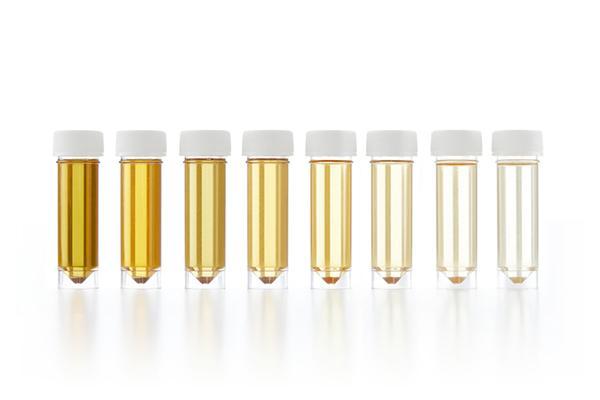
What could be causing my dark, smelly urine?
Urine that is sometimes dark or pungent can reflect dehydration, diet, or something more. Learn which clues signal a need for testing.
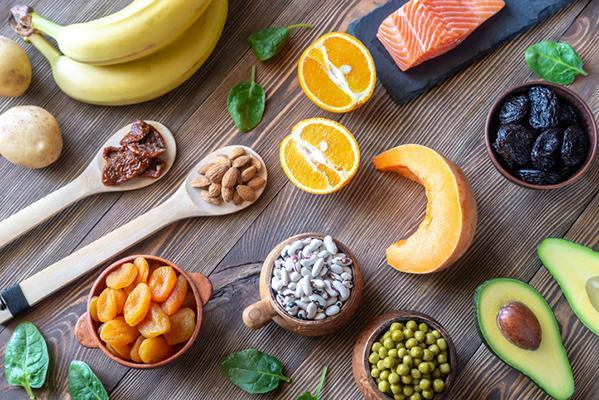
What foods are high in potassium?
Everyday staples like potatoes, beans, or juice can quietly add too much potassium to the diet of someone who's been told to limit their intake. Learn which other foods to limit.
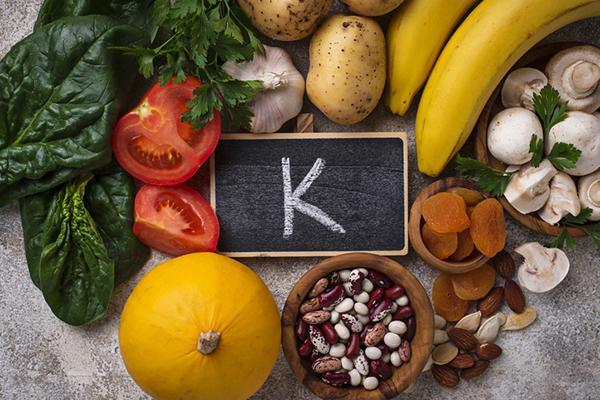
Why does someone with kidney disease need to be careful about high-potassium foods?
When damaged kidneys can&rsquot clear extra potassium, everyday staples like potatoes, beans, and juice may strain the heart. Learn which foods are risky.

Do I need to limit my calcium intake to avoid getting kidney stones?
Calcium is vital for bones, and calcium that you're getting from foods are not a concern. However, calcium supplements can lead to kidney stones.

The incontinence tool kit
Several tools can help people with incontinence stay dry and comfortable. Tools can include medications; basic supplies, such as protection pads, leakproof underwear, adaptive clothing, and portable urinals; bedwetting alarms; and bathroom locator apps. Some of the most important tools aren't pills or gadgets, but strategies-such as controlling underlying conditions that can lead to incontinence (such as diabetes), weight loss, lifestyle or behavioral changes, and pelvic floor training.

How can I keep my kidneys healthy?
People can adopt several strategies to keep their kidneys healthy, such as managing blood pressure, controlling blood sugar levels, watching salt intake, avoiding alcohol, staying hydrated, and exercising regularly.
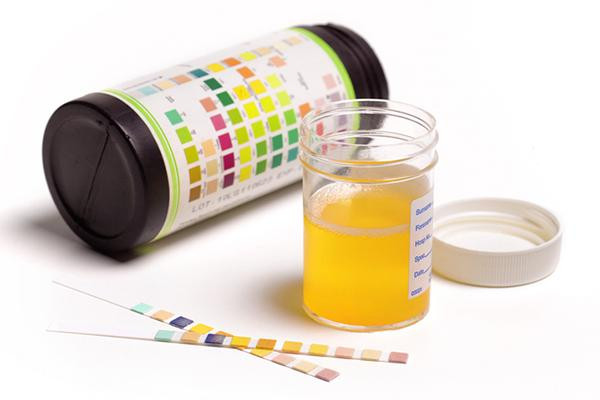
Urine and your health
A urine test, also known as a urinalysis, can reveal a great deal about a person's health. The kidneys produce urine to remove excess fluid and waste products from the body. But urine also contains various chemicals, minerals, toxins, bacteria, and red and white blood cells. Analyzing a urine sample with visual, chemical, and microscopic exams can reveal the presence and amounts of these substances, which can provide clues to specific conditions.

Even a little exercise linked with lower stroke risk in people with afib
Testosterone therapy without evidence of deficiency may boost heart risk
Weight-loss drug may lower risk of heart attacks and infections
What to eat on the DASH diet
Migraine: How it's diagnosed and what that means
Tricep workouts you can do at home
Mindfulness practices to reduce stress and improve focus
Antihistamines may not offer meaningful relief from eczema symptoms
Overweight and taking blood pressure medications: Study finds it's a trend that's working
FDA approves first mRNA-based flu vaccine
Free Healthbeat Signup
Get the latest in health news delivered to your inbox!
Sign Up
