

Even a little exercise linked with lower stroke risk in people with afib

Testosterone therapy without evidence of deficiency may boost heart risk

Weight-loss drug may lower risk of heart attacks and infections

What to eat on the DASH diet

Migraine: How it's diagnosed and what that means

Tricep workouts you can do at home

Mindfulness practices to reduce stress and improve focus

Antihistamines may not offer meaningful relief from eczema symptoms

Overweight and taking blood pressure medications: Study finds it's a trend that's working

FDA approves first mRNA-based flu vaccine
Bacterial infections Archive
Articles

Is biting my nails really that bad?
Nail-biting can introduce germs into people's mouths that can cause a range of illnesses, including colds or salmonella. The habit also creates tiny fissures in skin that can become infected. People who bite their nails should occupy their mouth and hands with other tasks.

COVID-19 or something else?
Many COVID-19 symptoms — such as fever, cough, or muscle aches — overlap with the symptoms of other respiratory conditions, such as influenza, a common cold, or asthma. But there are differences among the conditions. For example, a bout of the flu or a cold will not cause shortness of breath the way COVID-19 will. And while asthma can cause shortness of breath, it won't cause a fever or body aches the way COVID-19 will. A person who's experiencing concerning symptoms of respiratory illness should report them to a doctor.

When an infection invades the heart
Although uncommon, heart infections may trigger inflammation that can damage the heart. People should be aware of the risks and symptoms of the three main types: pericarditis (swelling and irritation of the protective, double-layered membrane that surrounds the heart, called the pericardium), myocarditis (inflammation in the middle, muscular layer of the heart), and endocarditis (inflammation that affects the heart’s inner lining or one or more of the heart’s valves).

Crucial ways you can support a healthy immune system
There’s no evidence that maintaining a healthy lifestyle will suddenly boost the immune system. However, it’s clear that healthy lifestyle habits contribute to overall health, supporting the body’s ability to fight infections instead of creating new problems. Healthy habits that help maintain a robust immune system include getting seven to nine hours of sleep per night, exercising, reducing stress, eating a healthy diet, not smoking, drinking alcohol only in moderation, maintaining a healthy weight, and getting underlying conditions under control.

Harvard study: Shingles linked to a spike in risks for heart attack and stroke
A 2022 observational study that included more than 200,000 people found that those who'd had shingles at some point had a 30% higher long-term risk for a major cardiovascular event, compared with people who didn't have shingles.

Why won't my hives go away?
Hives are red, itchy welts that crop up on the skin. Allergic reactions and stress, among other triggers, can cause episodes of hives, which typically last several days to a couple of weeks. Cases that last six weeks or longer may be autoimmune hives.

Vaccination may protect against long COVID
Getting at least one dose of a COVID vaccine lowers the risk of developing long COVID even among people who were previously unvaccinated and recovered from COVID.

Shingles linked with higher risk for heart disease and stroke
People who have had shingles have a 30% increased risk for heart disease and stroke, says a new Harvard study. Learn more about the risk.
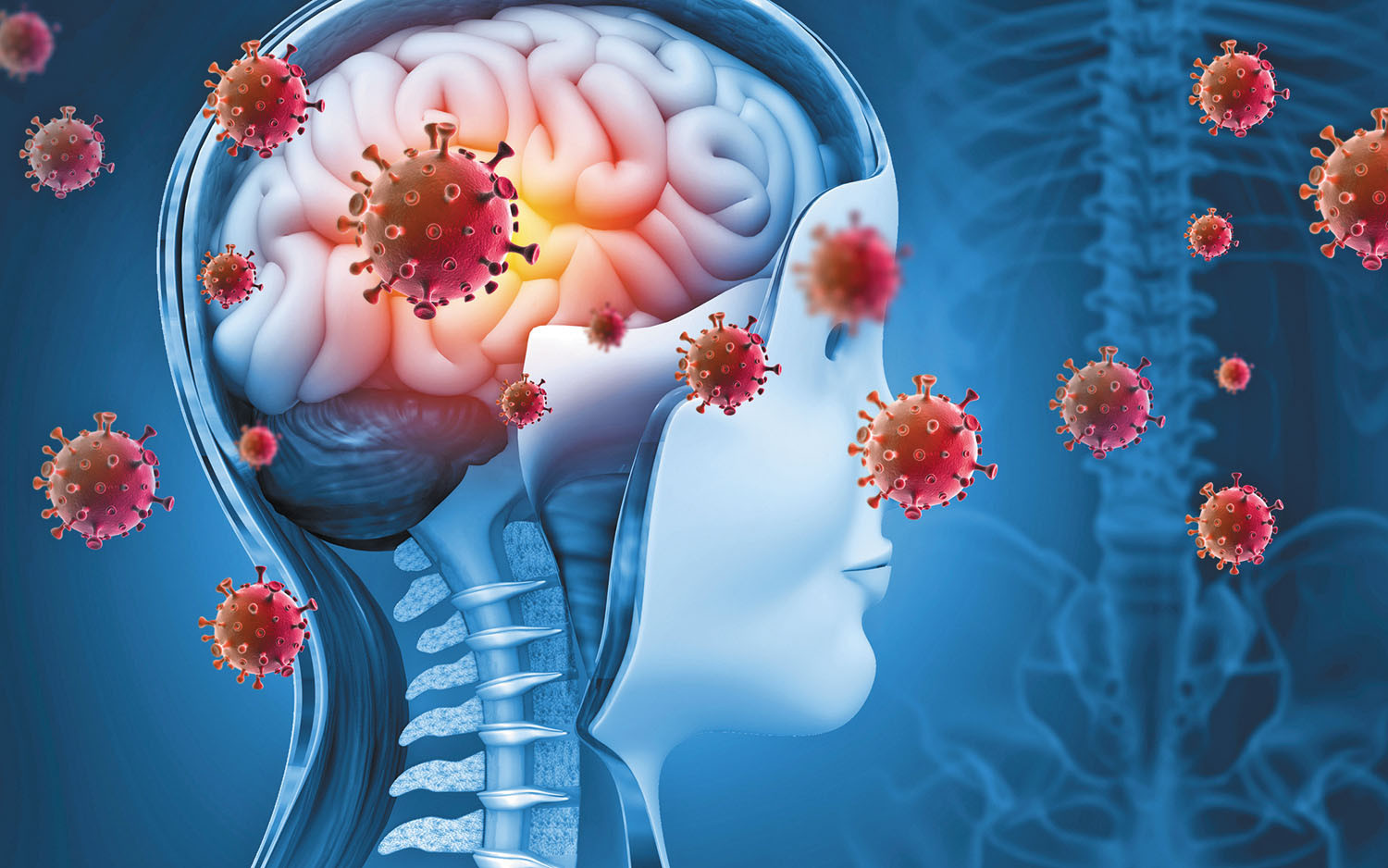
Does COVID-19 damage the brain?
COVID-19 can damage the brain in many ways. Initially, it can cause brain inflammation that causes confusion, difficulty concentrating, and memory problems. COVID also can cause new psychological disorders such as depression or anxiety. It can even cause people to see and hear things that aren't there and to believe things that aren't true. COVID often damages the brain's autonomic nervous system, leading to abnormalities in heart rate and blood pressure. Additionally, the virus that causes COVID can infect and injure the lining of blood vessels and make blood clot more easily, which can lead to strokes and heart attacks.

How high a fever is too high?
A fever is the immune system's response to an infection or invader. Most fevers drop after people take over-the-counter medications. People should call a doctor if their fever reaches 103° F and go to an emergency room if it reaches 105°.
Even a little exercise linked with lower stroke risk in people with afib
Testosterone therapy without evidence of deficiency may boost heart risk
Weight-loss drug may lower risk of heart attacks and infections
What to eat on the DASH diet
Migraine: How it's diagnosed and what that means
Tricep workouts you can do at home
Mindfulness practices to reduce stress and improve focus
Antihistamines may not offer meaningful relief from eczema symptoms
Overweight and taking blood pressure medications: Study finds it's a trend that's working
FDA approves first mRNA-based flu vaccine
Free Healthbeat Signup
Get the latest in health news delivered to your inbox!
Sign Up
