

Fatty liver disease: Should you be tested?

Weight-loss drug may lower risk of heart attacks and infections

Testosterone therapy without evidence of deficiency may boost heart risk

Even a little exercise linked with lower stroke risk in people with afib

Antihistamines may not offer meaningful relief from eczema symptoms

What to eat on the DASH diet

Tricep workouts you can do at home

FDA approves first mRNA-based flu vaccine

Migraine: How it's diagnosed and what that means

Mindfulness practices to reduce stress and improve focus
Atrial fibrillation Archive
Articles

How the body's internal clocks influence heart health
Circadian rhythms, which are hardwired into nearly every cell of the body, regulate the heart and blood vessels. Disruptions to this rhythm-from shift work, poor sleep, or unhealthy habits-can raise the risk of cardiovascular disease. For example, heart attacks are more likely to occur on Mondays than any other day of the week. That's because people tend to stay up later than usual and then sleep in the next day. On Monday morning, when they have to wake up early again for work, the change may cause subtle changes in blood pressure, hormone secretion, and metabolism that raise heart attack risk.
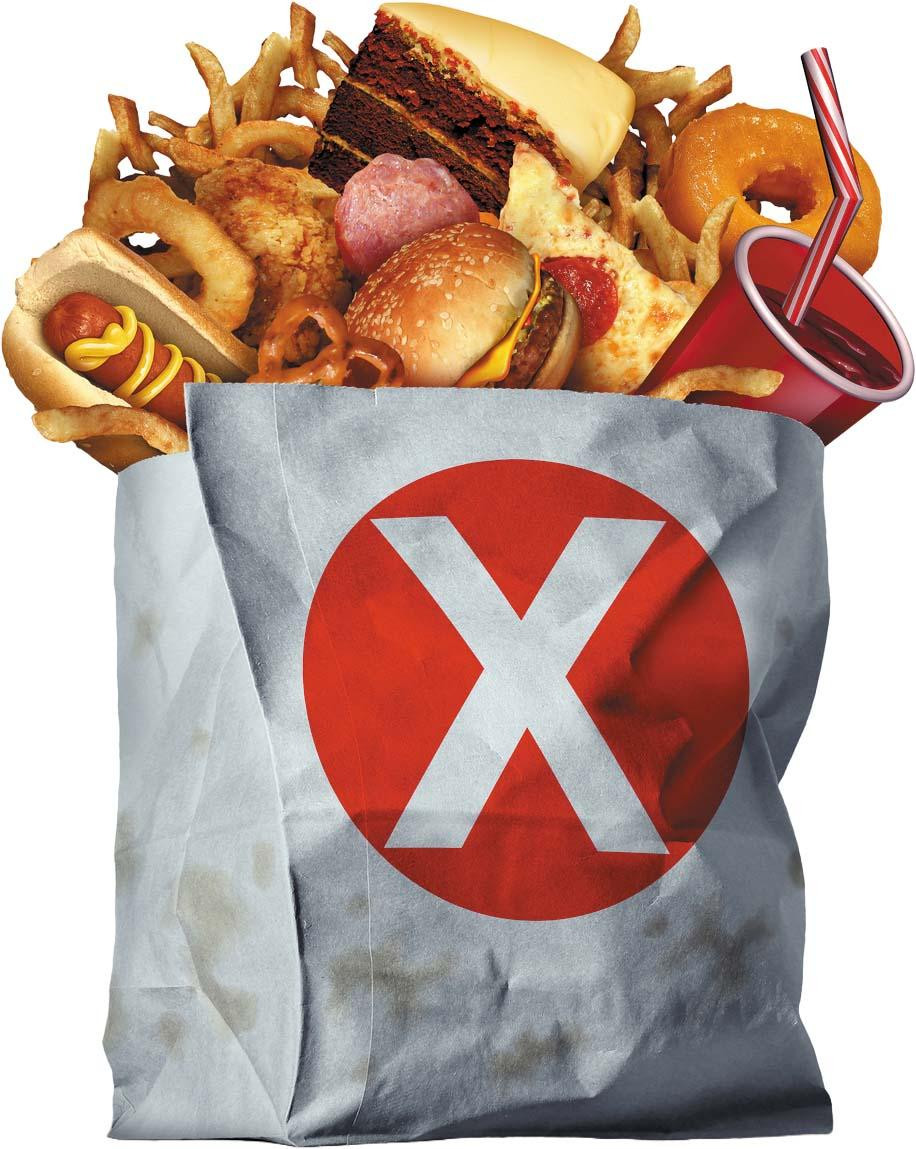
Ultra-processed foods linked to plaque buildup in neck arteries
A diet high in ultra-processed foods is linked to higher burden of fatty plaque in the carotid arteries, according to a 2025 study.

A new risk calculator estimates your heart's age
A free online tool that estimates your heart's age suggests that most adults have a heart that is older than their chronological age, according to a 2025 study.

Frequent standing may improve blood pressure after menopause
A 2025 study suggests that postmenopausal women may be able to lower their blood pressure simply by standing more often each day.

Alcohol and heart health: A complex relationship
The association between alcohol and cardiovascular disease is both complex and controversial. There's no evidence of an increased risk for the most common forms of heart disease in people who stay within the limits for moderate drinking. Whether light to moderate drinking can lower a person's risk is impossible to answer with currently available evidence. But there is clear, consistent evidence that heavier drinking-an average of three or more drinks per day-is linked to worse outcomes for every type of heart disease.

How do I make sense of my medication orders?
Hospital discharge instructions about medications can be complicated and confusing. Having a family member or friend along as a second set of ears during the discharge meeting can be helpful.

Cardiac rehab appears to help people with atrial fibrillation
A 2025 analysis of randomized trials found that cardiac rehab-a personalized program of supervised exercise and healthy lifestyle coaching-can also help people with atrial fibrillation, an irregular heartbeat that can cause stroke and heart failure.
The heart attack and stroke emergency playbook
Everyone should learn what to do if a heart attack or stroke occurs, beyond calling 911. It helps to become familiar with heart attack and stroke symptoms, so they can be recognized. It's also important to speak with one's own doctor in advance, to find out if he or she advises taking an aspirin in one of those emergencies. Other precautions include keeping emergency contact and medication lists updated and handy, and talking about emergency plans with family and friends, especially one's health care proxy.
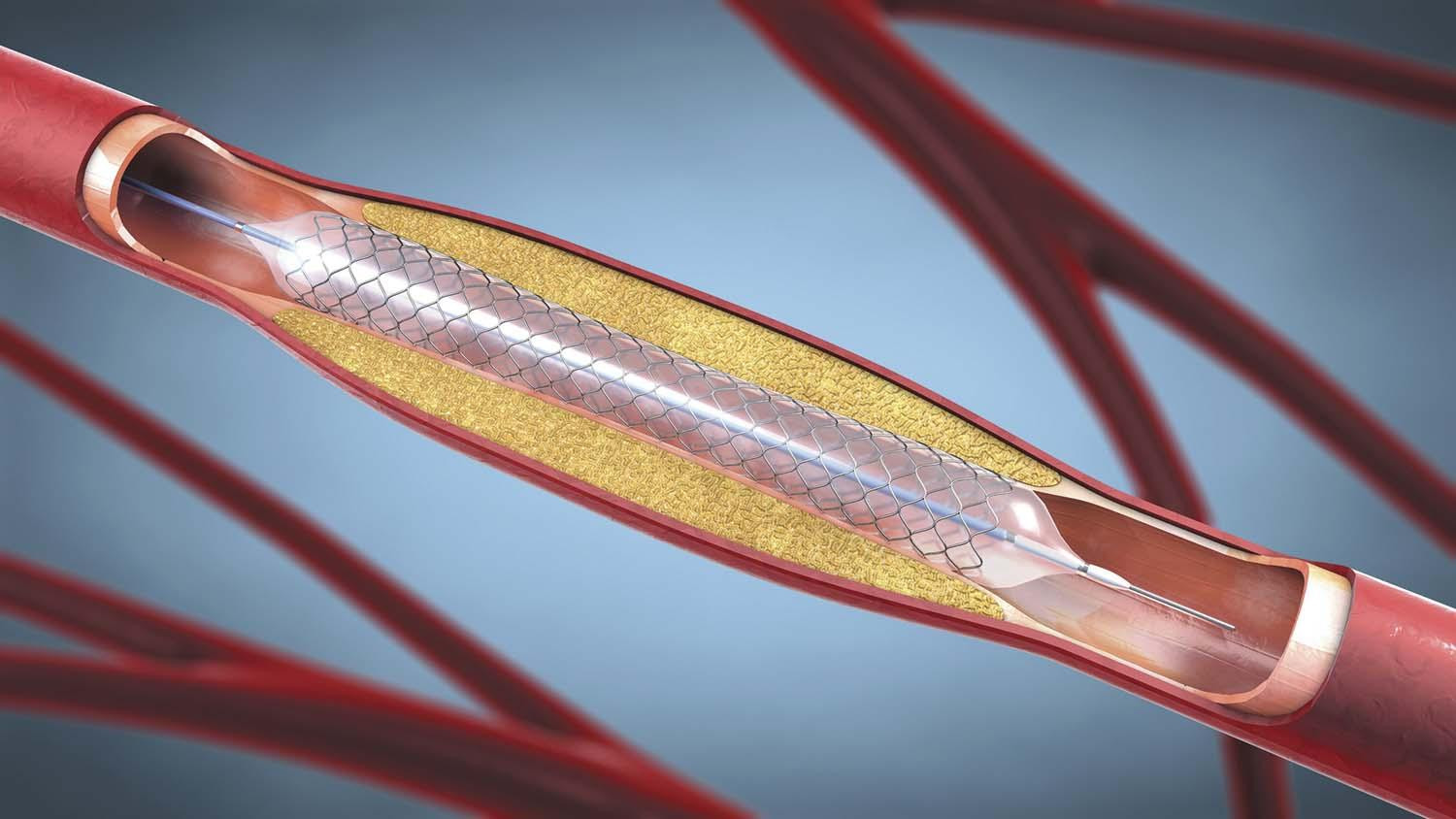
When do you really need an angioplasty and stenting?
Coronary artery disease, the most common form of heart disease, occurs when cholesterol-laden debris narrows the arteries that supply blood to the heart. It is treated with lifestyle changes and medications. However, sometimes people also need a procedure called angioplasty to open a blocked or narrowed artery to improve blood flow to the heart, along with insertion of a stent to hold it open. Most people need this if they experience a heart attack or unstable angina, when chest discomfort occurs repeatedly and unexpectedly, often at rest.

Weight-loss strategies to protect your heart
Obesity is a common, chronic disease that can harm the heart. The powerful weight-loss medications known as GLP-1s, semaglutide (Ozempic, Wegovy) and tirzepatide (Mounjaro, Zepbound), are now recommended as first-line therapy for eligible people, according to the American College of Cardiology. People using these drugs should work with a dietitian or nutritionist who can help them create a personalized eating plan that ensures they're getting enough nutrients while minimizing common side effects.
Fatty liver disease: Should you be tested?
Weight-loss drug may lower risk of heart attacks and infections
Testosterone therapy without evidence of deficiency may boost heart risk
Even a little exercise linked with lower stroke risk in people with afib
Antihistamines may not offer meaningful relief from eczema symptoms
What to eat on the DASH diet
Tricep workouts you can do at home
FDA approves first mRNA-based flu vaccine
Migraine: How it's diagnosed and what that means
Mindfulness practices to reduce stress and improve focus
Free Healthbeat Signup
Get the latest in health news delivered to your inbox!
Sign Up
