

Fatty liver disease: Should you be tested?

Weight-loss drug may lower risk of heart attacks and infections

Testosterone therapy without evidence of deficiency may boost heart risk

Even a little exercise linked with lower stroke risk in people with afib

Antihistamines may not offer meaningful relief from eczema symptoms

What to eat on the DASH diet

Tricep workouts you can do at home

FDA approves first mRNA-based flu vaccine

Migraine: How it's diagnosed and what that means

Mindfulness practices to reduce stress and improve focus
Atrial fibrillation Archive
Articles
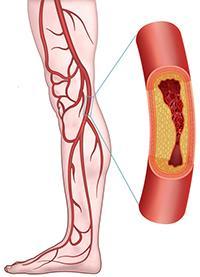
Treating peripheral artery disease: When might you need a procedure?
A small percentage of people with peripheral artery disease develop symptoms so severe they need a procedure to restore blood flow to their legs and feet. Options include angioplasty with a stent, endarterectomy, or peripheral artery bypass surgery.

Atrial fibrillation symptoms: Why they're easy to miss
Symptoms of atrial fibrillation include a fluttering, pounding sensation in the chest and a lightheaded, dizzy, or breathless feeling. But about a quarter of people with this disorder don’t notice any symptoms.

Exercising with low blood pressure: Advice and precautions
People with low blood pressure, which is defined as consistently having a reading lower than 90/60 mm Hg, sometimes feel dizzy or lightheaded during or after exercise. But modifying your exercise routine and taking simple precautions can help.

Should you take low-dose aspirin?
Daily low-dose aspirin can lower the risk of a second heart attack in people who’ve already had one. For people without a history of heart attack, the risk of dangerous bleeding usually outweighs any potential heart-related benefit from taking low-dose aspirin.

Newly approved pill cuts LDL cholesterol levels by more than half
In July 2026, the FDA approved enlicitide (Lipfendra), a pill that lowers harmful LDL cholesterol by nearly 60%. It is the first pill version of a class of injectable LDL-lowering drugs known as PCSK9 inhibitors.

Senator's death calls attention to aortic dissection
An aortic dissection, a tear in the body’s largest artery, typically causes sudden, severe pain in the chest, back, or abdomen. This uncommon condition is most likely to occur in people with a thoracic aortic aneurysm, a bulge in the section of the aorta closest to the heart.
Do thyroid conditions cause high blood pressure?
Thyroid issues and blood pressure may be connected in more than one way. See how symptoms, lab results and treatment can affect your readings.
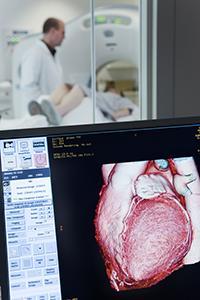
Atherosclerosis: Can AI help your doctor detect it?
Using an AI algorithm on a coronary computed tomography angiogram can quantify the type and amount of plaque in the heart’s arteries. But whether that information can help prevent more heart attacks remains to be seen.

Cardiac amyloidosis: Better detection and new treatments
Cardiac amyloidosis is a rare heart condition that causes the walls of the heart to become thick, stiff, and unable to pump normally. Three FDA-approved medications for the most common form, ATTR-CM, slow disease progression and extend life.

Lose more weight and protect your heart by pairing exercise with eating fewer calories
Exercising more without eating less is often unsuccessful for people trying to lose weight. Despite this, exercise can still improve blood pressure and cholesterol levels.
Fatty liver disease: Should you be tested?
Weight-loss drug may lower risk of heart attacks and infections
Testosterone therapy without evidence of deficiency may boost heart risk
Even a little exercise linked with lower stroke risk in people with afib
Antihistamines may not offer meaningful relief from eczema symptoms
What to eat on the DASH diet
Tricep workouts you can do at home
FDA approves first mRNA-based flu vaccine
Migraine: How it's diagnosed and what that means
Mindfulness practices to reduce stress and improve focus
Free Healthbeat Signup
Get the latest in health news delivered to your inbox!
Sign Up
