

Fatty liver disease: Should you be tested?

Weight-loss drug may lower risk of heart attacks and infections

Testosterone therapy without evidence of deficiency may boost heart risk

Even a little exercise linked with lower stroke risk in people with afib

Antihistamines may not offer meaningful relief from eczema symptoms

What to eat on the DASH diet

Tricep workouts you can do at home

FDA approves first mRNA-based flu vaccine

Migraine: How it's diagnosed and what that means

Mindfulness practices to reduce stress and improve focus
Atrial fibrillation Archive
Articles

How do carbohydrates influence triglyceride levels?
Carbohydrate intake and other aspects of your diet may impact triglyceride levels. See how everyday choices may nudge this number up or down.
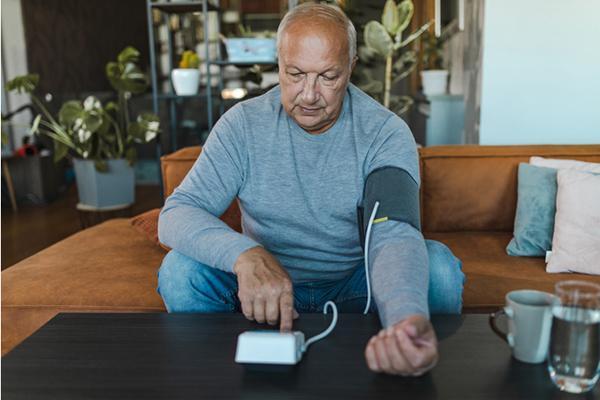
Can weather affect blood pressure?
Seasons can affect blood pressure. But winter chills, holiday weight gain, and salty comfort foods can also push readings higher as warm weather gives way to cold.

What could cause sudden leg weakness?
Legs that repeatedly give out after activity, then recover with rest, may point to more than low minerals and warrant prompt medical evaluation.
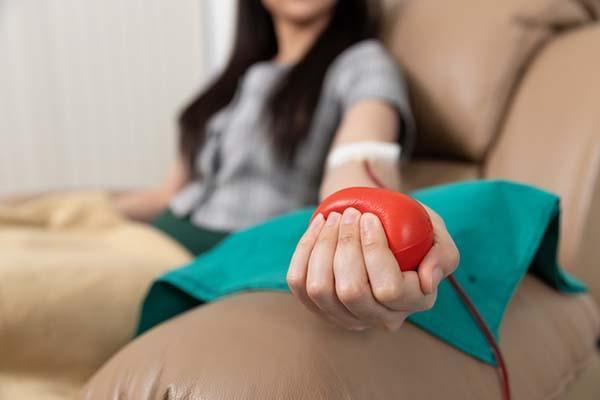
How can I build up my blood hemoglobin level?
Regular blood donations can slowly drain iron stores, lowering hemoglobin levels. Iron supplements may help rebuild them.

What is cardiac rehab and what does it involve?
After a heart attack, a cardiac rehab program comprised of supervised exercise, lifestyle coaching, and emotional support can reshape daily habits and lower the odds of future trouble.

Do sugars from fruit raise triglyceride levels?
If you have high triglycerides, fruit sugar is only part of the story. Carbs, alcohol, weight, exercise, and healthy fats all influence this number.

What is ventricular bigeminy?
Bigeminy is a usually harmless heart rhythm problem caused by premature heartbeats that may cause palpitations. Possible triggers include caffeine, stress, and lack of sleep. People with additional symptoms may need further testing.
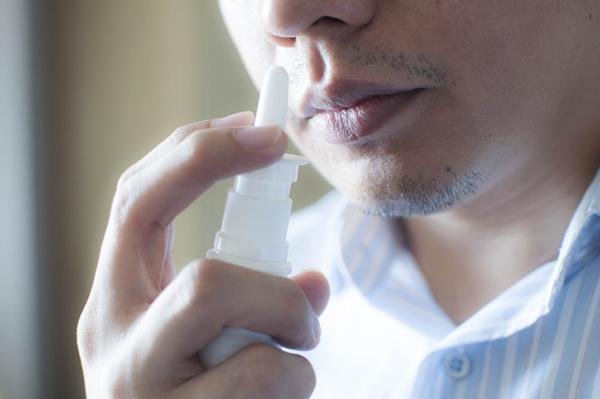
FDA approves nasal spray to treat rapid heart rhythm
In late 2025, the FDA approved a nasal spray to treat a sporadic, rapid heart rhythm called paroxysmal supraventricular tachycardia (PSVT). The self-administered spray, called etripamil (Cardamyst), may help people avoid emergency room treatment for PSVT.
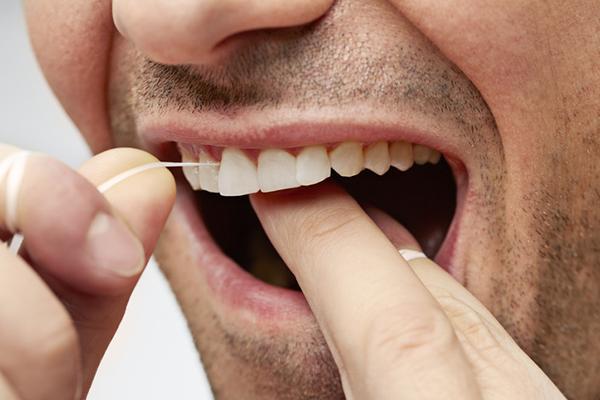
How gum disease may raise heart disease risk
Periodontal (gum) disease is linked to a higher risk of cardiovascular disease, possibly because gum disease can allow bacteria to enter the bloodstream, causing inflammation that damages blood vessels.
Smart watch may improve detection of atrial fibrillation
Wearing an Apple Watch capable of recording an electrocardiogram may increase the detection of atrial fibrillation in older adults at increased risk for stroke, according to a 2026 study.
Fatty liver disease: Should you be tested?
Weight-loss drug may lower risk of heart attacks and infections
Testosterone therapy without evidence of deficiency may boost heart risk
Even a little exercise linked with lower stroke risk in people with afib
Antihistamines may not offer meaningful relief from eczema symptoms
What to eat on the DASH diet
Tricep workouts you can do at home
FDA approves first mRNA-based flu vaccine
Migraine: How it's diagnosed and what that means
Mindfulness practices to reduce stress and improve focus
Free Healthbeat Signup
Get the latest in health news delivered to your inbox!
Sign Up
