What is cardiac rehab and what does it involve?
Ask the doctor

Q. I recently had a heart attack. My doctor has recommended cardiac rehab. What does that involve?
A. Cardiac rehabilitation is a structured program that includes:
- exercise
- education aimed at reducing risks such as smoking, high blood pressure, high cholesterol, and a less-than-healthy diet
- psychological and social support.
Medicare and many other insurance plans cover a cardiac rehab program if you've had a heart attack, angina, angioplasty or stents, open-heart surgery (bypass or valve surgery, for example), or a heart transplant.
The medical professionals who make up a cardiac rehab team include a physiologist or trainer, a nurse, a nutritionist, and a psychologist or social worker. The team assesses each person's individual risk factors for heart and blood vessel disease. The team
- teaches and supports healthy lifestyle changes, including weight control, establishing a heart-healthy diet, quitting smoking, and avoiding secondhand smoke
- develops a personalized exercise plan for each person, then helps get that plan started and shows how to integrate exercise into daily routines
- monitors and helps control blood pressure, cholesterol, and blood sugar
- assesses psychological problems, such as depression, related to heart disease and provides counseling
- helps people learn from and aid others with similar heart issues
- improves people's communication with their doctors and other health care providers.
Cardiac rehab is an opportunity to reinforce people's understanding of how they can improve their health. It builds confidence in physical activity and reduces anxiety.
Image: © KSChong/Getty Images
About the Author
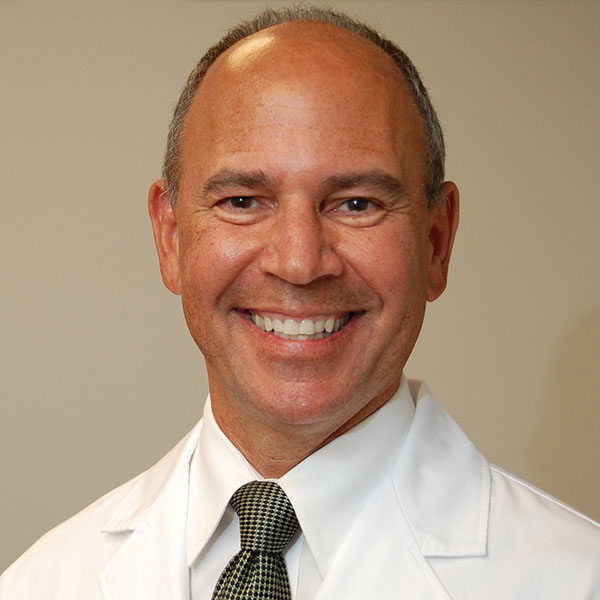
Howard E. LeWine, MD, Chief Medical Editor, Harvard Health Publishing; Editorial Advisory Board Member, Harvard Health Publishing
Disclaimer:
As a service to our readers, Harvard Health Publishing provides access to our library of archived content. Please note the date of last review or update on all articles.
No content on this site, regardless of date, should ever be used as a substitute for direct medical advice from your doctor or other qualified clinician.