

People who walk more or walk faster live longer, study finds

For sleep apnea, a dental device may be as effective as CPAP

Rosacea treatments: What works?

Carb cycling: What is it, and does it work?

Understanding orthorexia: Have your healthy eating goals gone too far?

Salmonella, E. coli, Cyclospora, and other germs that cause food poisoning: What you need to know

Melatonin or magnesium: Can either supplement help you sleep?

Naturally gluten-free foods

Shingrix shingles vaccine linked with lower heart disease risks

Harvard study: Healthier fats linked to longer life after prostate cancer diagnosis
Tai chi for osteoarthritis
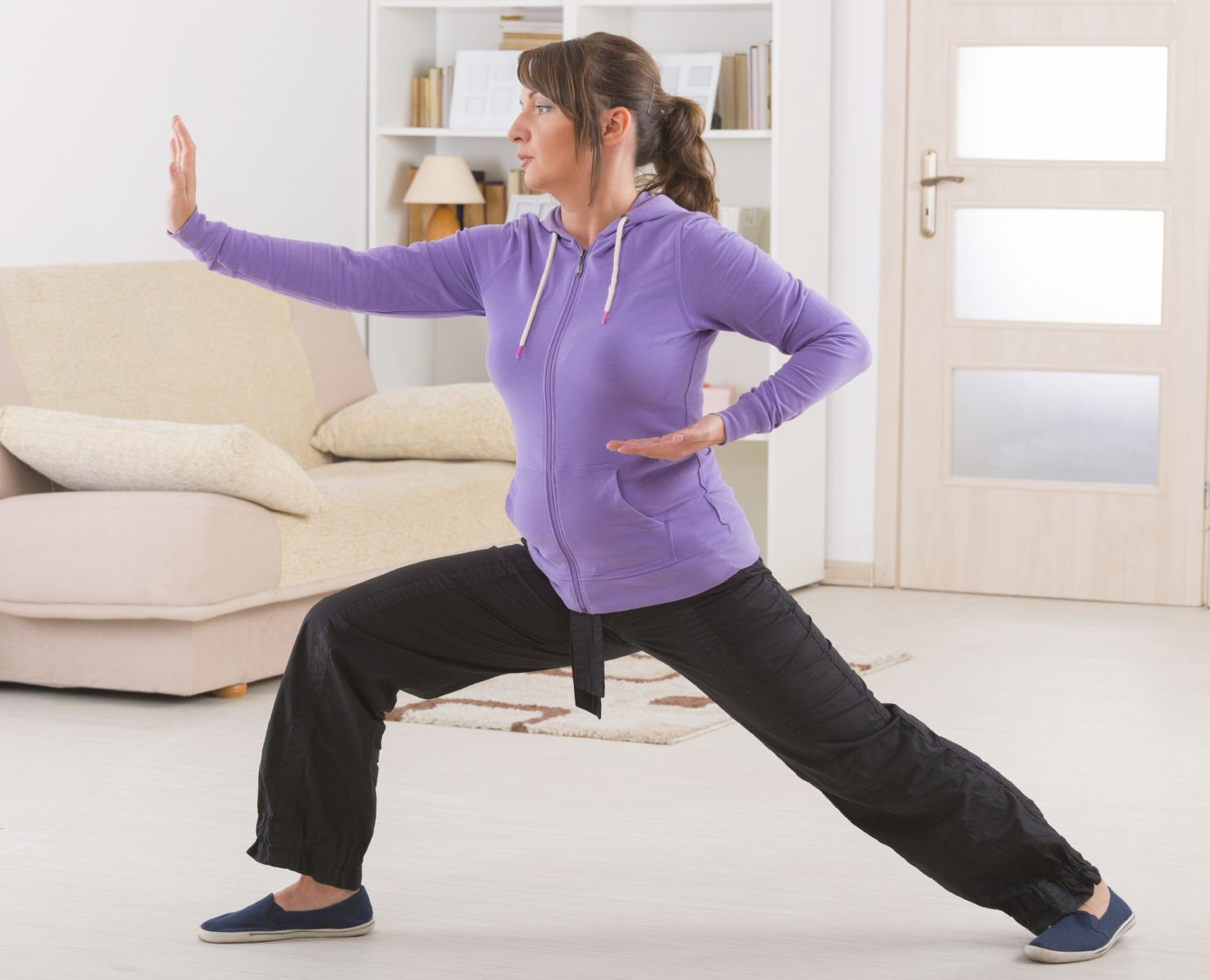 Osteoarthritis is a degenerative disease of the joints that causes stiffness, pain, and mild inflammation in the affected joints. It develops when cartilage—the tissue that covers bones and acts as a cushion—deteriorates over time, eventually leading to joint damage. For the early stages of this condition, a variety of remedies may offer some relief when used in conjunction with or as an alternative to medication, including Tai Chi.
Tai chi helps improve physical strength and mobility and promotes a sense of well-being. A study published in Arthritis & Rheumatism found that participants with knee osteoarthritis who practiced tai chi twice a week had less pain and better physical function compared with study participants enrolled in a wellness education and stretching program. The tai chi class lasted 12 weeks, but the improvements were sustained a year later. These participants also reported less depression and greater well-being.
Among other things, tai chi provides benefit by improving muscle strength and coordination, which leads to better joint stability. In addition, the mind-body aspects and breath control promote mental calmness, which may help to break the cycle of arthritis pain.
If you decide to try tai chi, a reasonable plan is to participate in tai chi sessions once or twice a week for an hour. Perform the postures slowly and gently.
Disclaimer:
As a service to our readers, Harvard Health Publishing provides access to our library of archived content. Please note the date of last review or update on all articles.
No content on this site, regardless of date, should ever be used as a substitute for direct medical advice from your doctor or other qualified clinician.
People who walk more or walk faster live longer, study finds
For sleep apnea, a dental device may be as effective as CPAP
Rosacea treatments: What works?
Carb cycling: What is it, and does it work?
Understanding orthorexia: Have your healthy eating goals gone too far?
Salmonella, E. coli, Cyclospora, and other germs that cause food poisoning: What you need to know
Melatonin or magnesium: Can either supplement help you sleep?
Naturally gluten-free foods
Shingrix shingles vaccine linked with lower heart disease risks
Harvard study: Healthier fats linked to longer life after prostate cancer diagnosis


Free Healthbeat Signup
Get the latest in health news delivered to your inbox!
Sign Up
