










The comforting bowl that works quietly against inflammation
- Reviewed by Howard E. LeWine, MD, Chief Medical Editor, Harvard Health Publishing; Editorial Advisory Board Member, Harvard Health Publishing
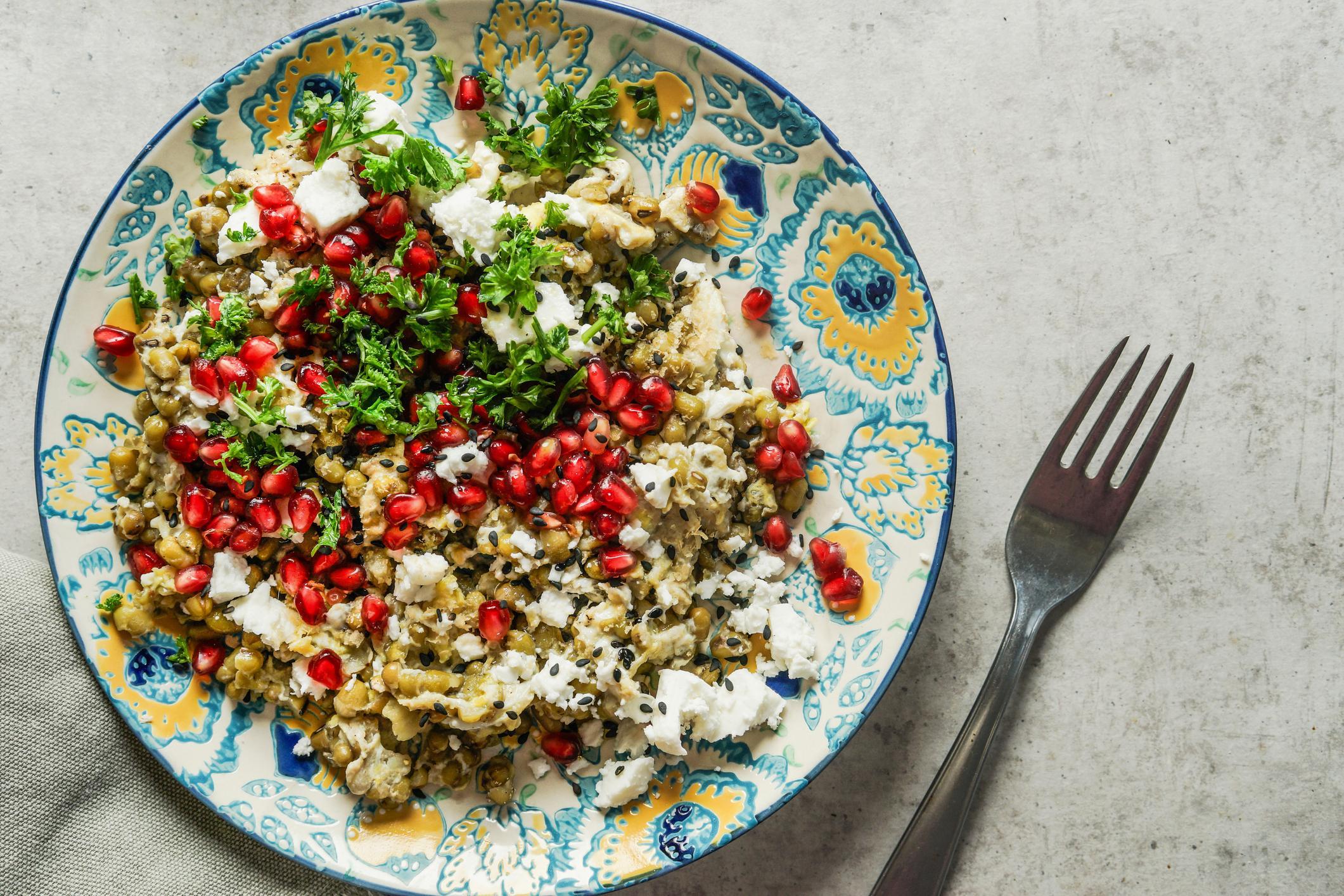
Many of the conditions that worry us most as we get older-heart disease, type 2 diabetes, some cancers, and certain types of arthritis-have one thing in common: chronic, low-grade inflammation. Unlike the redness and swelling you notice after a cut or sprain, this type of inflammation can smolder for years without obvious symptoms, gradually damaging tissues and blood vessels.
The good news: you don't need a complicated "miracle diet" to push inflammation in a healthier direction. Research continues to point to the same simple pattern:
- More whole and minimally processed plant foods (vegetables, fruits, beans, lentils, whole grains, nuts, and seeds)
- Healthy fats from sources like olive oil, nuts, and avocados
- Less red and processed meat, refined grains, and sugary or fried foods
This way of eating supplies fiber, vitamins, minerals, and thousands of naturally occurring plant compounds called phytochemicals. Many of these act as antioxidants and help the body dial down inflammatory processes that can contribute to disease.
A "who's who" of anti-inflammatory foods in one meal
One practical challenge is turning this advice into everyday meals that are satisfying and realistic. That's where a simple bowl supper can shine.
The Nourish Lentil Bowl from Harvard Medical School's Foods That Fight Inflammation guide brings together several foods linked with lower inflammation:
- Lentils – Provide plant protein, fiber, and minerals. Higher fiber intake has been associated with lower levels of inflammatory markers in the blood.
- Winter squash – Deep yellow-orange vegetables, such as butternut or acorn squash, are rich in beta carotene and vitamin C, both of which help counter oxidative stress and inflammation.
- Mushrooms – Contain a variety of unique compounds that have been studied for their potential anti-inflammatory and immune-supporting effects.
- Pomegranate seeds – Supply vitamin C, fiber, and phytochemicals such as anthocyanins and resveratrol, which have been investigated for heart and metabolic benefits.
- Pecans and olive oil – Offer unsaturated fats that support heart health and are associated with a more favorable inflammatory profile.
- Leafy greens – Add additional fiber, folate, and protective plant compounds.
All together, this bowl is designed to be hearty enough for dinner, rich in flavor and texture, and aligned with the eating pattern that may help lower long-term disease risk.
Recipe: Nourish Lentil Bowl
Serves 4
Here's what you'll need:
Lentils
- 1½ cups dried green lentils
- 2 cups vegetable broth
- 1 cup water
Roasted vegetables
- 3 cups chopped, peeled winter squash (such as butternut or acorn)
- 1 medium onion (red, white, or yellow), sliced
- 2 cups sliced mushrooms
- 2 garlic cloves
- 2 tablespoons extra-virgin olive oil
- 1 tablespoon balsamic vinegar
- 2 teaspoons Italian seasoning (or a mix of fresh herbs such as oregano, thyme, and rosemary)
- Salt and black pepper to taste (optional)
Toppings
- 2 cups baby greens (such as arugula, kale, lettuce, or spinach)
- 1 cup pomegranate seeds (arils)
- ½ cup coarsely chopped pecans
- Fresh herbs, such as rosemary or thyme, for garnish (optional)
How to make it
- Cook the lentils. Combine the vegetable broth, water, and lentils in a saucepan. Bring to a boil, then cover and simmer over medium heat, stirring occasionally, until the lentils are tender but still hold their shape (about 25 minutes). Drain any excess liquid and set aside.
- Roast the vegetables. Preheat the oven to 375°F. Spread the squash, onion, mushrooms, and whole garlic cloves on a large sheet pan. In a small bowl, whisk together the olive oil, balsamic vinegar, Italian seasoning, and salt and pepper if using. Drizzle this over the vegetables and toss to coat. Roast on the top rack until the vegetables are browned at the edges and tender, 30–35 minutes.
- Assemble the bowls. Spoon about 1 cup of warm lentils into each of four bowls. Top each portion with roughly 1½ cups of the roasted vegetable mixture. Add ½ cup of baby greens, ¼ cup of pomegranate seeds, and 2 tablespoons of chopped pecans to each bowl.
- Finish and serve. Sprinkle with fresh herbs, if desired. Serve warm right away, or refrigerate and enjoy later as a ready-to-eat anti-inflammatory meal.
Bringing it into your weekly routine
For many older adults, the most powerful health changes come from small, sustainable shifts, not drastic overhauls. You might consider:
- Making this lentil bowl once a week and freezing extra portions.
- Swapping in different vegetables or greens based on the season.
- Pairing the bowl with a cup of unsweetened tea or coffee-both beverages contain plant compounds that have been linked with potential health benefits.
Over time, meals like this can help move your overall eating pattern toward one that supports heart, brain, and joint health-while still feeling comforting and enjoyable.
For more information on how foods can impact inflammation, check out Foods that Fight Inflammation, an Online Guide from Harvard Medical School.
Image: © VICUSCHKA | GettyImages
About the Reviewer

Howard E. LeWine, MD, Chief Medical Editor, Harvard Health Publishing; Editorial Advisory Board Member, Harvard Health Publishing
Disclaimer:
As a service to our readers, Harvard Health Publishing provides access to our library of archived content. Please note the date of last review or update on all articles.
No content on this site, regardless of date, should ever be used as a substitute for direct medical advice from your doctor or other qualified clinician.

