

Signs of pneumonia: Sometimes vague and unexpected

Using a vibration plate: What it can — and can't — do for your body

The surprising link between ovarian cancer and the fallopian tubes

People who walk more or walk faster live longer, study finds

For sleep apnea, a dental device may be as effective as CPAP

Rosacea treatments: What works?

Carb cycling: What is it, and does it work?

Salmonella, E. coli, Cyclospora, and other germs that cause food poisoning: What you need to know

Melatonin or magnesium: Can either supplement help you sleep?

Understanding orthorexia: Have your healthy eating goals gone too far?
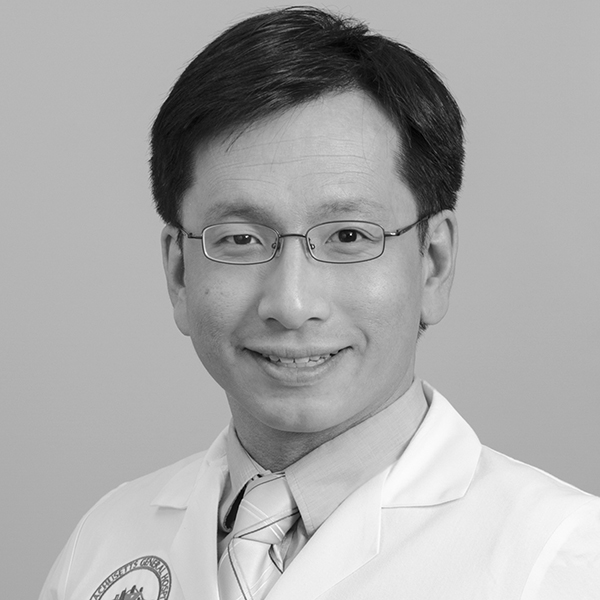
Michael Lu, MD, MPH
Contributor
Dr. Michael T. Lu is an associate professor of radiology at Harvard Medical School, director of AI and co-director of the Massachusetts General Hospital (MGH) Cardiovascular Imaging Research Center, and director of the MGH Imaging Trials Center. His research focuses on clinical trials of cardiac computed tomography to improve health and machine learning to predict healthy outcomes from multimodal imaging.
He earned his MD degree from Harvard Medical School and MPH from the Havard T.H. Chan School of Public Health. He completed his residency in diagnostic radiology at the University of California, San Francisco, followed by fellowships in thoracic and cardiac imaging at MGH.
Signs of pneumonia: Sometimes vague and unexpected
Using a vibration plate: What it can — and can't — do for your body
The surprising link between ovarian cancer and the fallopian tubes
People who walk more or walk faster live longer, study finds
For sleep apnea, a dental device may be as effective as CPAP
Rosacea treatments: What works?
Carb cycling: What is it, and does it work?
Salmonella, E. coli, Cyclospora, and other germs that cause food poisoning: What you need to know
Melatonin or magnesium: Can either supplement help you sleep?
Understanding orthorexia: Have your healthy eating goals gone too far?

