

Signs of pneumonia: Sometimes vague and unexpected

Using a vibration plate: What it can — and can't — do for your body

The surprising link between ovarian cancer and the fallopian tubes

People who walk more or walk faster live longer, study finds

For sleep apnea, a dental device may be as effective as CPAP

Rosacea treatments: What works?

Carb cycling: What is it, and does it work?

Salmonella, E. coli, Cyclospora, and other germs that cause food poisoning: What you need to know

Melatonin or magnesium: Can either supplement help you sleep?

Understanding orthorexia: Have your healthy eating goals gone too far?
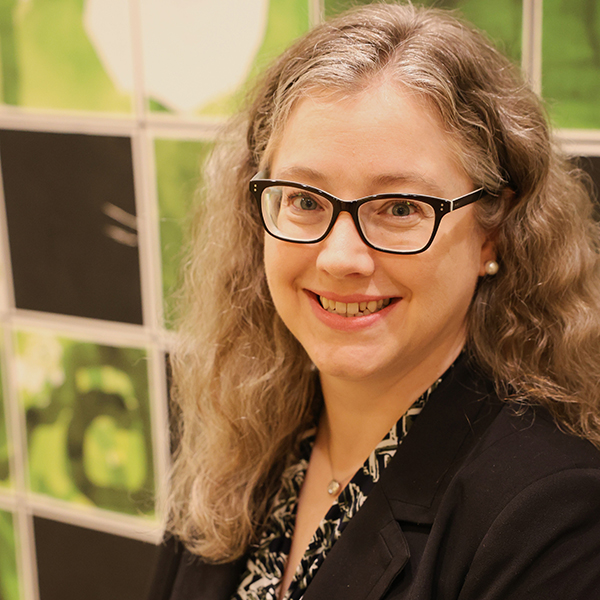
Margaret Lippincott, MD
Contributor
Dr. Margaret Lippincott is a clinician and physician investigator in the reproductive endocrine unit at Massachusetts General Hospital, and serves as an assistant professor at Harvard Medical School. She earned her medical degree from Duke University School of Medicine, completed her residency at Beth Israel Deaconess Medical Center, and pursued fellowship training at Massachusetts General Hospital.
Dr. Lippincott holds board certifications in internal medicine, endocrine, diabetes and metabolism, and obesity medicine. She directs the Multidisciplinary Care Center for Polycystic Ovary Syndrome (PCOS), and treats patients with various reproductive disorders, including hypogonadism, infertility, and menopause. She researches how genes necessary for reproduction influence human health at every stage of life.
Signs of pneumonia: Sometimes vague and unexpected
Using a vibration plate: What it can — and can't — do for your body
The surprising link between ovarian cancer and the fallopian tubes
People who walk more or walk faster live longer, study finds
For sleep apnea, a dental device may be as effective as CPAP
Rosacea treatments: What works?
Carb cycling: What is it, and does it work?
Salmonella, E. coli, Cyclospora, and other germs that cause food poisoning: What you need to know
Melatonin or magnesium: Can either supplement help you sleep?
Understanding orthorexia: Have your healthy eating goals gone too far?

