

Healing after food poisoning

What is tempeh? Benefits, nutrition, and how to use it

Light exposure at night may raise risk for heart disease

Whole grains may improve several heart risk factors at once

A lumbar belt may help ease low back pain

Children of centenarians may stay healthier and live longer too, study finds

Signs of pneumonia: Sometimes vague and unexpected

The surprising link between ovarian cancer and the fallopian tubes

Using a vibration plate: What it can — and can't — do for your body

People who walk more or walk faster live longer, study finds
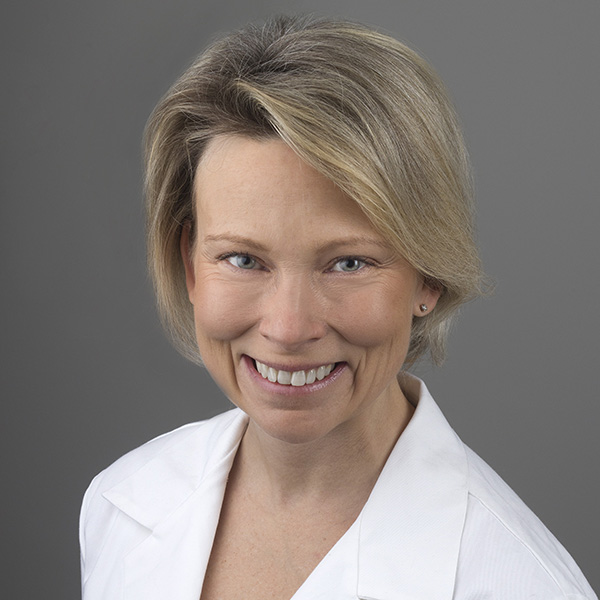
Heidi Rayala, MD, PhD
Contributor
Dr. Heidi Rayala is an assistant professor of surgery at Harvard Medical School and a practicing urologic surgeon at Beth Israel Deaconess Medical Center. She specializes in the management of benign prostatic hyperplasia (BPH), elevated PSA, and prostate cancer, with a focus on helping patients navigate the intersection of these conditions. Dr. Rayala earned her MD and PhD in molecular biology at Washington University School of Medicine, followed by urologic residency training at Brigham and Women’s Hospital and a fellowship in urologic oncology at Memorial Sloan Kettering Cancer Center. Dr. Rayala lectures nationally on the medical management of BPH and overactive bladder in the aging male population. Her research centers on improving the patient experience during office-based urologic procedures, including pioneering studies on the use of low-dose nitrous oxide to reduce pain and anxiety during prostate biopsies.
Healing after food poisoning
What is tempeh? Benefits, nutrition, and how to use it
Light exposure at night may raise risk for heart disease
Whole grains may improve several heart risk factors at once
A lumbar belt may help ease low back pain
Children of centenarians may stay healthier and live longer too, study finds
Signs of pneumonia: Sometimes vague and unexpected
The surprising link between ovarian cancer and the fallopian tubes
Using a vibration plate: What it can — and can't — do for your body
People who walk more or walk faster live longer, study finds

