









Is it dangerous to have a high calcium level?
Ask the expert
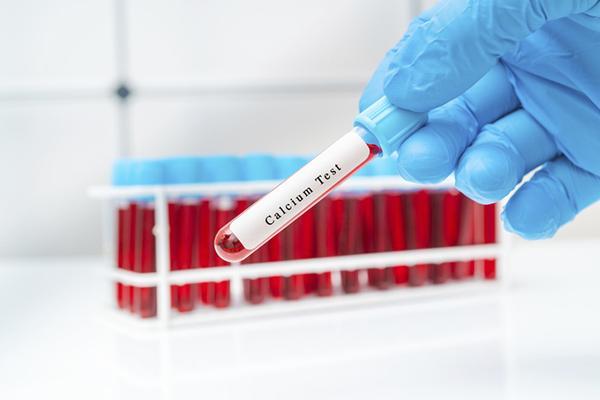
Q. My calcium levels are high. I was told that this may affect my heart and kidneys. What should I do?
A. I suspect that you have mild hypercalcemia. Mild hypercalcemia is usually defined as a blood calcium level above 10.5 mg/dL (the upper limit of normal) but less than 12.0 mg/dL. Mild hypercalcemia often causes no symptoms. When symptoms do occur, they are usually nonspecific, such as fatigue or body aches.
A mild elevation of blood calcium usually doesn't need immediate treatment. In the short term, it shouldn't damage the kidneys or the heart. However, it is important to find the cause of your hypercalcemia.
Your first step should be to get a second blood test to be sure that the first results were not due to a laboratory error. Assuming that the repeat test confirms that you have hypercalcemia, you and your doctor will want to investigate the cause.
The most common cause of mild hypercalcemia is an overproduction of parathyroid hormone (a condition called hyperparathyroidism). Parathyroid hormone is made by four small parathyroid glands that rest on the back side of the thyroid gland in the neck. Parathyroid hormone acts on the bones to release calcium into the blood. The parathyroid glands normally produce enough parathyroid hormone to keep blood calcium levels in the normal range. If blood calcium gets above 10.5 mg/dL, the glands should turn off parathyroid production.
Hypercalcemia caused by hyperparathyroidism happens when
- All four glands keep putting out more parathyroid hormone despite a high blood-calcium level.
- One of the glands develops a benign growth called a parathyroid adenoma. The adenoma functions independently and does not turn off when calcium rises above normal.
- Parathyroid cancer is present — though this is very rare: less than 100 cases per year are reported in the United States.
Another reason for hypercalcemia is excessive intake of vitamin D, especially when combined with supplemental calcium. Unless instructed by a doctor, people should not take more than 4,000 IU of vitamin D daily.
It sounds as though you are a bit surprised by the blood test result showing hypercalcemia. But this is not unusual. Mild hypercalcemia is often discovered when a person has had a routine blood chemistry panel done, often for reasons unrelated to calcium concerns. A calcium level is a standard part of full chemistry panels.
Your doctor will ask if you take vitamin D and calcium supplements. She will likely repeat the blood calcium level and order other blood tests, especially a blood parathyroid hormone level. Additional testing will be needed if you have other symptoms or a very high calcium level, especially if the parathyroid hormone blood test is normal.
Image: © Wladimir Bulgar/Science Photo Library/Getty Images
About the Author

Howard E. LeWine, MD, Chief Medical Editor, Harvard Health Publishing; Editorial Advisory Board Member, Harvard Health Publishing
Disclaimer:
As a service to our readers, Harvard Health Publishing provides access to our library of archived content. Please note the date of last review or update on all articles.
No content on this site, regardless of date, should ever be used as a substitute for direct medical advice from your doctor or other qualified clinician.