

Even a little exercise linked with lower stroke risk in people with afib

Testosterone therapy without evidence of deficiency may boost heart risk

Weight-loss drug may lower risk of heart attacks and infections

What to eat on the DASH diet

Migraine: How it's diagnosed and what that means

Tricep workouts you can do at home

Mindfulness practices to reduce stress and improve focus

Antihistamines may not offer meaningful relief from eczema symptoms

Overweight and taking blood pressure medications: Study finds it's a trend that's working

FDA approves first mRNA-based flu vaccine
Vitamins, minerals & supplements Archive
Articles

Erectile dysfunction drugs linked to lower risk of heart problems
Otherwise healthy men treated with prescription drugs used to treat erectile dysfunction had a lower risk of heart attacks, strokes, or death from heart-related causes.

Preparing for success in the operating room — and beyond
Prehabilitation, or prehab, involves a wide range of steps to take before surgery to maximize recovery afterward. Prehab components include nutritional support, strength and fitness, blood sugar control, medication management, smoking cessation, pain management, and delirium prevention. Research suggests prehab can increase the odds people will heal faster, experience fewer complications, and recover more smoothly over all.

5 foods to eat to help your heart
While the focus is often on avoiding unhealthy foods, adding in nutritious options can be a means of protecting and improving your heart health. Olive oil, mixed nuts, multicolored fruits and vegetables, fatty fish, and sources of soluble fiber are options to try.

The high cost of a poor diet
What people choose to eat has a big impact on their cardiovascular health. The dietary habits of the nation as a whole also have a major effect on the country's economic health. About 45% of the costs associated with heart disease, stroke, and diabetes is related to unhealthy diets. The dietary habits that appear to have the biggest effect are not eating enough nuts, seeds, and seafood omega-3 fatty acids. Among foods to avoid, sugary beverages and processed meats seem to contribute the most to higher costs. Each year, unhealthy diets cost the United States an average of about $300 per person in medical costs, which translates to $50 billion nationwide.

Adopting a Mediterranean-style diet, one meal at a time
The Mediterranean diet is touted for its health benefits, which include a reduced risk of cardiovascular disease, cancer, and potentially even improvements to the gut bacteria, which may reduce harmful inflammation inside the body. Making some simple changes to your current diet can help improve your health. These include switching to olive oil as the primary fat, eating more whole grains and less processed food and sugar and reducing red meat consumption. Whenever possible, base your daily diet on a base of vegetables, fruits and plant-based options.

Sugar's not-so-sweet effects on the heart
A sugary diet contributes to weight gain and other factors that boost heart disease risk, including inflammation, disrupted blood sugar control, and increased cholesterol. The typical American diet is very high in added sugar, nearly half of which comes from sugar-sweetened beverages. Another 30% comes from baked goods such as cookies, brownies, cakes, pies, doughnuts, sweet rolls, and pastries. People don't need to completely give up sweet treats but should enjoy them just once or twice a week rather than daily.
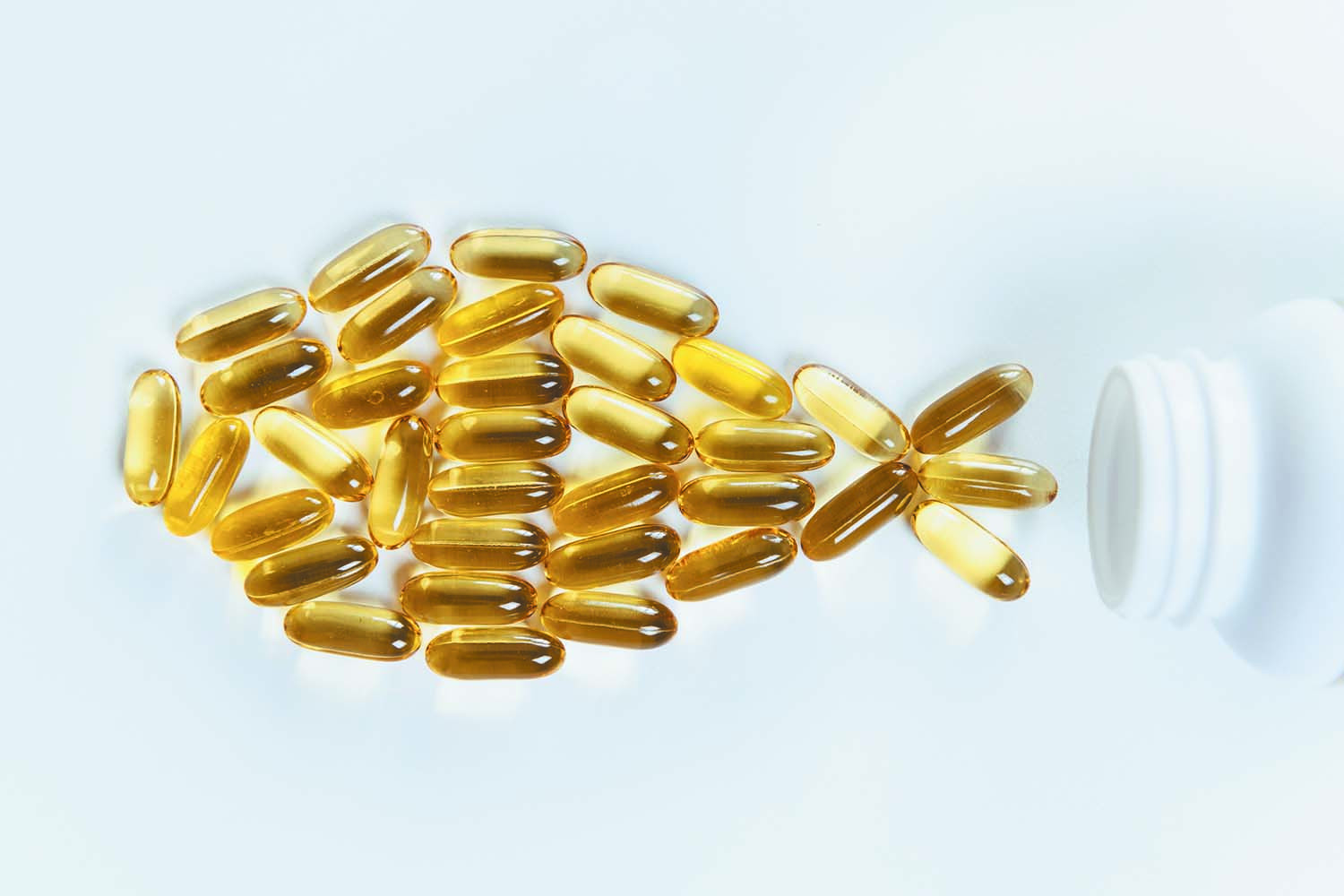
The questions about fish oil supplements
Some research says taking a daily fish oil supplement can reduce the risk of heart attacks and strokes, while other studies say the evidence remains thin. While fish oil is the best source of omega-3 fatty acids (essential nutrients that the body cannot make on its own), taking an over-the-counter fish oil supplement probably provides no extra heart benefit beyond a well-balanced diet that includes plenty of omega-3-rich fatty fish, nuts, and seeds.

Should you try fasting?
Intermittent fasting means that people avoid food for a designated amount of time each day. One of the most popular approaches is called 16/8. People eat during an eight-hour period—for example from noon to 8 p.m.— followed by 16 hours of fasting, in this case from 8 p.m. until noon the next day, when the pattern repeats. While science does not yet know the long-term benefits of intermittent fasting, initial short-term research has suggested the practice may help lower cholesterol, blood pressure, and weight, among other health benefits.

The power of protein
During his lifetime, a man loses about 30% of his muscle mass. Older men can maintain and even regain muscle by combining regular weight training and a proper diet, including adequate amounts of protein. Research suggests that to help counter lost muscle mass, healthy older adults need 1.2 grams of protein for every kilogram of body weight per day. This is calculated by dividing a person's weight in pounds by 2.2 and then multiplying by 1.2.

Even a little exercise linked with lower stroke risk in people with afib
Testosterone therapy without evidence of deficiency may boost heart risk
Weight-loss drug may lower risk of heart attacks and infections
What to eat on the DASH diet
Migraine: How it's diagnosed and what that means
Tricep workouts you can do at home
Mindfulness practices to reduce stress and improve focus
Antihistamines may not offer meaningful relief from eczema symptoms
Overweight and taking blood pressure medications: Study finds it's a trend that's working
FDA approves first mRNA-based flu vaccine
Free Healthbeat Signup
Get the latest in health news delivered to your inbox!
Sign Up
