

Even a little exercise linked with lower stroke risk in people with afib

Testosterone therapy without evidence of deficiency may boost heart risk

Weight-loss drug may lower risk of heart attacks and infections

What to eat on the DASH diet

Migraine: How it's diagnosed and what that means

Tricep workouts you can do at home

Mindfulness practices to reduce stress and improve focus

Antihistamines may not offer meaningful relief from eczema symptoms

Overweight and taking blood pressure medications: Study finds it's a trend that's working

FDA approves first mRNA-based flu vaccine
Vitamins, minerals & supplements Archive
Articles

Immune boosts or busts? From IV drips and detoxes to superfoods
Ads for products that promise to supercharge the body's immune system make claims that sound too good to be true. But do these products actually work?

Weak kidneys? Pay attention but don't worry excessively
Kidney function declines with age in some people. A heart-healthy diet and lifestyle will protect your kidneys. Once kidney function reaches a certain low level, medication and other steps to protect the kidneys may be necessary.

Harvard Health Ad Watch: Why are toilets everywhere in this drug ad?
An ad for a medication featuring a person sitting on a toilet in multiple settings is eye-catching, but as with most drug ads, it doesn't provide some important information — such as common symptoms of the condition the drug is meant to treat.

Should I worry about the side effects of proton-pump inhibitors?
People with esophagitis (esophageal inflammation) can use proton-pump inhibitors to manage their acid reflux. This kind of medication can protect against scarring and narrowing of the lower esophagus.

Medication-taking made easier
About half the time, people alter how much, how often, or how long they take a prescribed medication, or they don't take it at all. This phenomenon, called medication nonadherence, can gravely threaten people's health, and is linked to about 125,000 deaths annually. People might not be able to comply with their drug regimen if they feel they take too many drugs, they don't like the side effects, the prescriptions cost too much, or they have memory problems or depression. Doctors should review medication lists and remove what patients no longer need.

FDA approves new over-the-counter gel for erectile dysfunction
The FDA has approved an over-the-counter topical gel to treat erectile dysfunction that men apply immediately before intercourse. It works in approximately 10 minutes.

Preventing kidney stones
Men prone to kidney stones should drink plenty of water, get adequate calcium, reduce sodium, limit animal protein, and avoid foods that could make kidney stones more likely to form. Dietary restrictions depend on the stones the person tends to form.


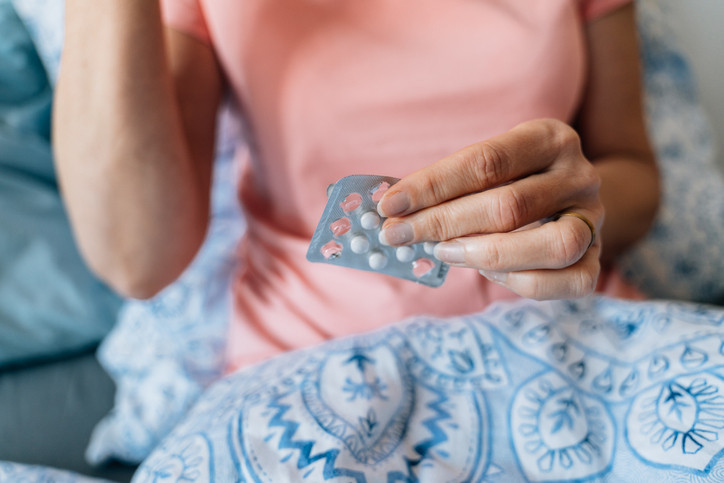
FDA approves first drug designed to treat hot flashes
In May 2023, the FDA approved fezolinetant (Veozah), a nonhormonal drug specifically designed to reduce the frequency and severity of hot flashes in women. Potential side effects include liver damage, abdominal pain, diarrhea, insomnia, or back pain.
Even a little exercise linked with lower stroke risk in people with afib
Testosterone therapy without evidence of deficiency may boost heart risk
Weight-loss drug may lower risk of heart attacks and infections
What to eat on the DASH diet
Migraine: How it's diagnosed and what that means
Tricep workouts you can do at home
Mindfulness practices to reduce stress and improve focus
Antihistamines may not offer meaningful relief from eczema symptoms
Overweight and taking blood pressure medications: Study finds it's a trend that's working
FDA approves first mRNA-based flu vaccine
Free Healthbeat Signup
Get the latest in health news delivered to your inbox!
Sign Up
