

Why do I sweat so much?

Walking pneumonia: The "mild" illness that can still pack a punch

Tai chi walking: What is it and does it work?

What causes knee pain: How doctors make a diagnosis
Sacroiliac joint pain: Causes, symptoms, and exercises that help
Where you carry excess weight matters in predicting heart disease risk

Study: At-home colorectal cancer screening may significantly cut colon cancer deaths

Fatty liver disease: Should you be tested?

Even a little exercise linked with lower stroke risk in people with afib

Testosterone therapy without evidence of deficiency may boost heart risk
Vision and hearing Archive
Articles
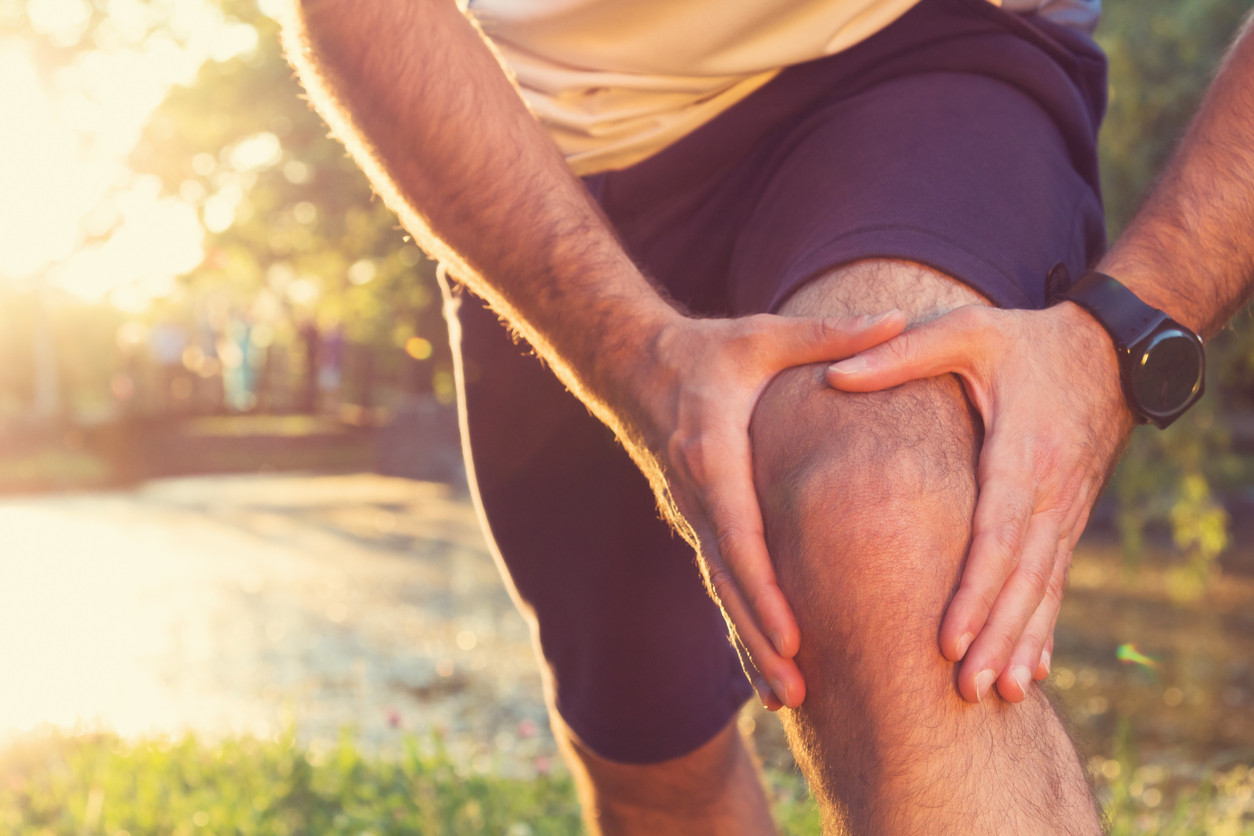
Exercise advice for people with arthritis
When you hurt, it's hard to persuade yourself to move. However, regular exercise not only helps maintain joint function, but also relieves stiffness and decreases pain and fatigue. What should you do? Whenever possible, meet the Physical Activity Guidelines for Americans by mixing aerobic activities, strength training, stretching, and balance exercises. If this is too ambitious, at least avoid inactivity. Discuss options with your doctor, particularly if you haven't been exercising. A physiatrist, physical therapist, or personal trainer with experience in working with people who have arthritis can help you choose and adapt activities that will work for you.
You can also find programs specifically designed for people with arthritis. Examples include Fit and Strong!, a program targeted to older adults with osteoarthritis; the Arthritis Foundation's Exercise Program (AFEP); and its Walk with Ease program. There are also water-based therapy programs, such as the Arthritis Foundation's Aquatic Program, that are done in pools heated to nearly 90° F; these feature a variety of exercises, including range-of-motion exercises and aerobics. Another good option is tai chi, a low-impact, slow-motion form of exercise that can increase flexibility and muscle strength in the lower body, as well as aiding gait and balance. Strength training improves muscle strength, physical functioning, and pain.




The Couric-Jolie effect: When celebrities share their medical experiences
Celebrities can certainly help raise awareness of health issues, but these stories can't replace medical advice based on your personal situation.

Are you functionally fit?
It's having the strength and motor skills to carry out the activities that get you through each day.
You may think of exercise as something you do to keep your heart and lungs healthy or to maintain your weight, and those are great benefits. But exercise is also important to keep you functioning throughout your day, whether you're carrying a laundry basket or playing with your grandkids. The ability to do such ordinary activities is called "functional" fitness, and programs to help people stay functionally fit are a top trend in the exercise world, according to the American College of Sports Medicine.
Yet many older adults aren't aware of this type of exercise program. "It's not on people's radar," says Clare Safran-Norton, clinical supervisor of rehabilitation services at Harvard-affiliated Brigham and Women's Hospital.

Does bariatric surgery have long-lasting benefits?
Ask the doctor
Q. I'm very overweight, and my doctor has been urging me to consider bariatric surgery. I'm worried that, like the diets I've tried, it will work for a while and then stop working. Am I being too cautious?
A. Bariatric surgery involves any of several different surgical procedures on the stomach and intestine designed to reduce the calories your body absorbs from the food you eat. It also helps quell appetite. That's because, in all of us, when our stomach becomes empty following a meal, it starts to make a hormone (called ghrelin) that travels to the brain and stimulates appetite. Bariatric surgery seems to diminish the amount of that hormone.

New motivation to move more
News briefs
We know sedentary time is bad for us. Previous research has suggested a link between the total amount of time spent sitting each day and health problems or even early death. Now, an observational study published online Sept. 12, 2017, by Annals of Internal Medicine suggests that it also matters how many minutes at a time you spend sitting in an office chair or lounging on a couch. Researchers looked at the health and activity of about 8,000 men and women (ages 45 or older) who wore activity trackers for a week, and then they followed the participants for four years. Sitting for 30, 60, or 90 minutes at a time was associated with the greatest risk for death if sedentary time was more than 12 or 13 hours per day. Sitting less than 30 minutes at a time was associated with a lower risk of death during the follow-up period, regardless of the total amount of inactivity for the day. But study authors point out that an inactive lifestyle is hazardous no matter how you rack up sedentary time. The takeaway: Study authors say their findings support guidelines that recommend we all get up and move every 30 minutes.
Image: © Shalom Ormsby/Thinkstock

Watch out for two different Nutrition Facts labels
News briefs
Brace yourself for confusion when looking at food labels. The FDA is delaying the launch of its new Nutrition Facts label, which features clearer serving sizes, a new line for added sugars, and the actual amounts of vitamins and minerals (not just percentages of Daily Values). Large food makers were supposed to start using the updated design by July 2018, and smaller companies had until July 2019. Now the FDA is extending the deadlines to January 2020 and January 2021, respectively. The FDA says the extra time will give the agency a chance to lend guidance to manufacturers. But some food makers have already rolled out the new label on their products. This means consumers will see two different types of nutrition labels for years to come, which could be confusing. "Ironically, however, remember that fresh whole foods that don't have a label — especially fruits and vegetables — may be your wisest choice," says registered dietitian Kathy McManus, director of the Department of Nutrition at Harvard-affiliated Brigham and Women's Hospital.
Why do I sweat so much?
Walking pneumonia: The "mild" illness that can still pack a punch
Tai chi walking: What is it and does it work?
What causes knee pain: How doctors make a diagnosis
Sacroiliac joint pain: Causes, symptoms, and exercises that help
Where you carry excess weight matters in predicting heart disease risk
Study: At-home colorectal cancer screening may significantly cut colon cancer deaths
Fatty liver disease: Should you be tested?
Even a little exercise linked with lower stroke risk in people with afib
Testosterone therapy without evidence of deficiency may boost heart risk
Free Healthbeat Signup
Get the latest in health news delivered to your inbox!
Sign Up
