
Why do I sweat so much?

Walking pneumonia: The "mild" illness that can still pack a punch
Tai chi walking: What is it and does it work?

What causes knee pain: How doctors make a diagnosis
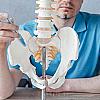
Sacroiliac joint pain: Causes, symptoms, and exercises that help
Where you carry excess weight matters in predicting heart disease risk
Study: At-home colorectal cancer screening may significantly cut colon cancer deaths
Fatty liver disease: Should you be tested?

Even a little exercise linked with lower stroke risk in people with afib

Testosterone therapy without evidence of deficiency may boost heart risk
Vision and hearing Archive
Articles

Prevent injuries by avoiding some common culprits
Simple everyday objects can result in cuts, bruises, and broken bones.
Image: © fotokostic/Getty Images
Everyday objects from pet supplies to kitchen appliances may seem innocuous, but they can cause injuries, including bone breaks, cuts, and burns. Doctors who treat these injuries often see some common themes. We asked Dr. Tamara Rozental, an associate professor of orthopedic surgery at Harvard Medical School, about what injuries she frequently sees from common items — and ways to stay safe.
Dog leashes
"I see many injuries from dog leashes. People often get tangled and pulled over," Dr. Rozental says. In other instances, fingers get bent, broken, or crushed when people get their hand stuck in the leash and the dog pulls.

Sunscreen in a pill?
Research we're watching
The FDA is warning consumers not to buy in to the idea that a pill can protect your skin from the sun.
In a statement issued May 22, FDA officials said they've found companies selling pills that are labeled as dietary supplements and that claim to protect skin from the sun.

Want more energy? Here’s what really helps
Do you sometimes feel like the Energizer Bunny with a weak battery? You start out strong, but by midafternoon you're starting to flag.
We all get tired from time to time, but fatigue tends to become more common as we get older. Assuming your doctor has ruled out medical causes for persistent fatigue, there are a few basic steps you can take to feel more energetic day to day.

An insider's guide to a hospital stay
No one wants to be have to go to a hospital, but there are times when it's unavoidable. Having some advance knowledge about the hospital experience may help you feel more comfortable in the event you or someone you know has to go to the ER or be admitted.

How to sneak in more daily exercise
Moving throughout the day offers big benefits for your long-term health.
Image: © Paul Bradbury/Getty Images
There's an old saying: "If you want to stay moving, you have to get moving." But for a lot of us, that's easier said than done.
The Department of Health and Human Services (HHS) says we've become a nation of sitters, and our increasingly sedentary lifestyle has become America's primary health crisis, especially for older adults.
Should I get a bone density test?
On call
Image: © Fertnig/Getty Images
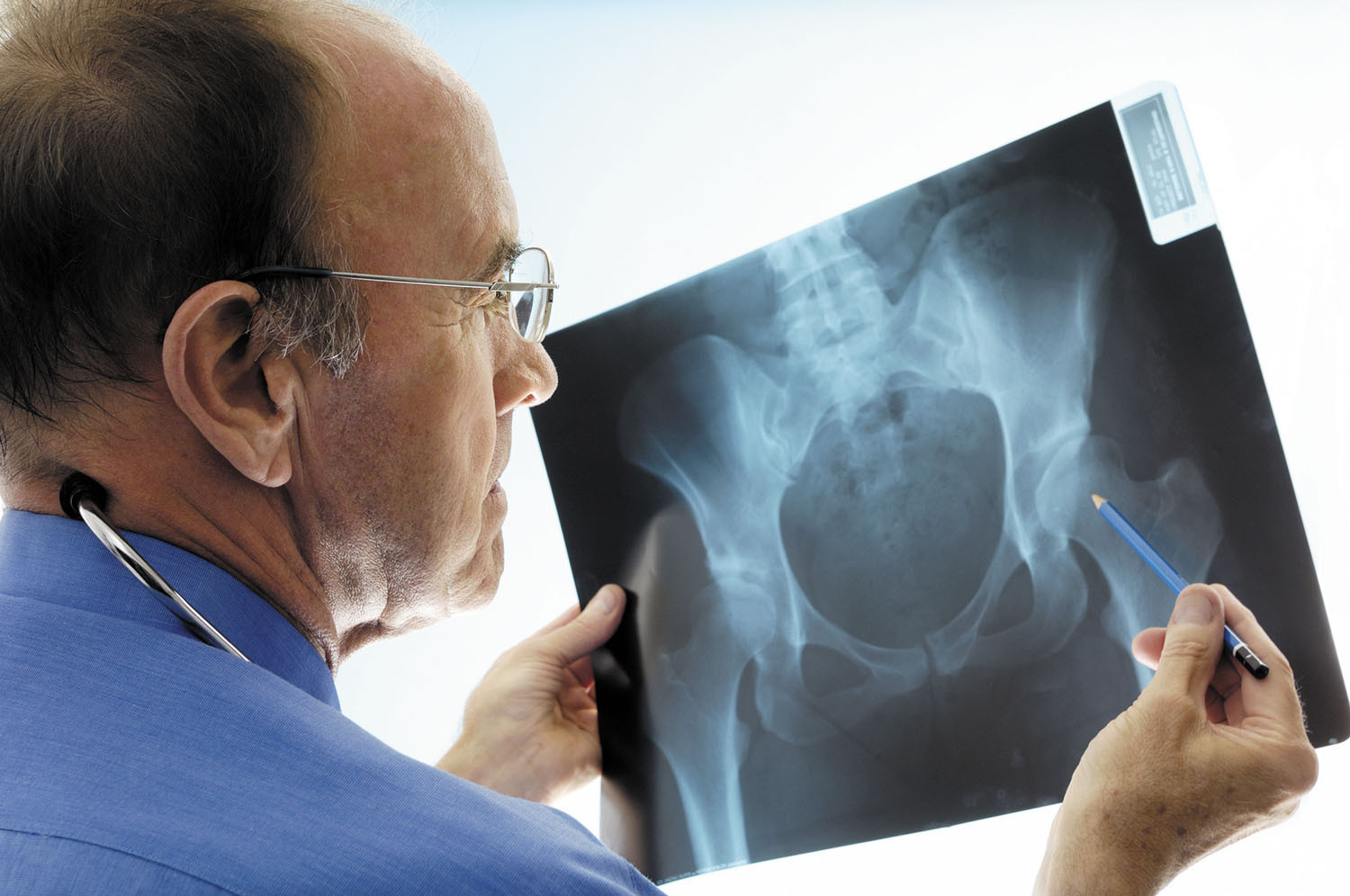
Q. I'm 65 years old and have never had any bone health issues. Should I get a bone density test?
A. Bone density testing is a specialized x-ray technique used to diagnose osteoporosis (thin bones), a condition that increases the lifetime risk of fracture by six times in men.

Extra protein does not build more muscle
In the journals
Can higher protein intake build more muscle in older men? Not according to a study in the April 2018 JAMA Internal Medicine.
The researchers randomized 92 men, average age 73, into four groups. One group followed a daily diet containing 0.8 grams (g) of protein per kilogram (kg) of body weight, the daily Recommended Dietary Allowance (RDA) for all adults, and a weekly placebo injection; another consumed 1.3 g/kg and the placebo injection; a third consumed the 0.8-g/kg diet, but also received a weekly 100-mg injection of testosterone, and the fourth group ate a 1.3-g/kg diet and got a weekly testosterone injection. (The testosterone was included to see if higher protein increased the hormone's muscle-growing effect.)

More dairy associated with higher bone density in men over 50
In the journals
A higher intake of dairy foods, such as milk, yogurt, and cheese, is associated with higher bone density, especially in the spine, in older men, according to a study published online March 30, 2018, by the Journal of Bone and Mineral Research.
Men in their 50s do not experience the rapid loss of bone mass that women do in the years following menopause. However, by their late 60s, they lose bone mass at the same rate as women. These changes can increase their risk of osteoporosis and fractures.
Drinking alcohol may increase levels of harmful mouth bacteria
Research we're watching
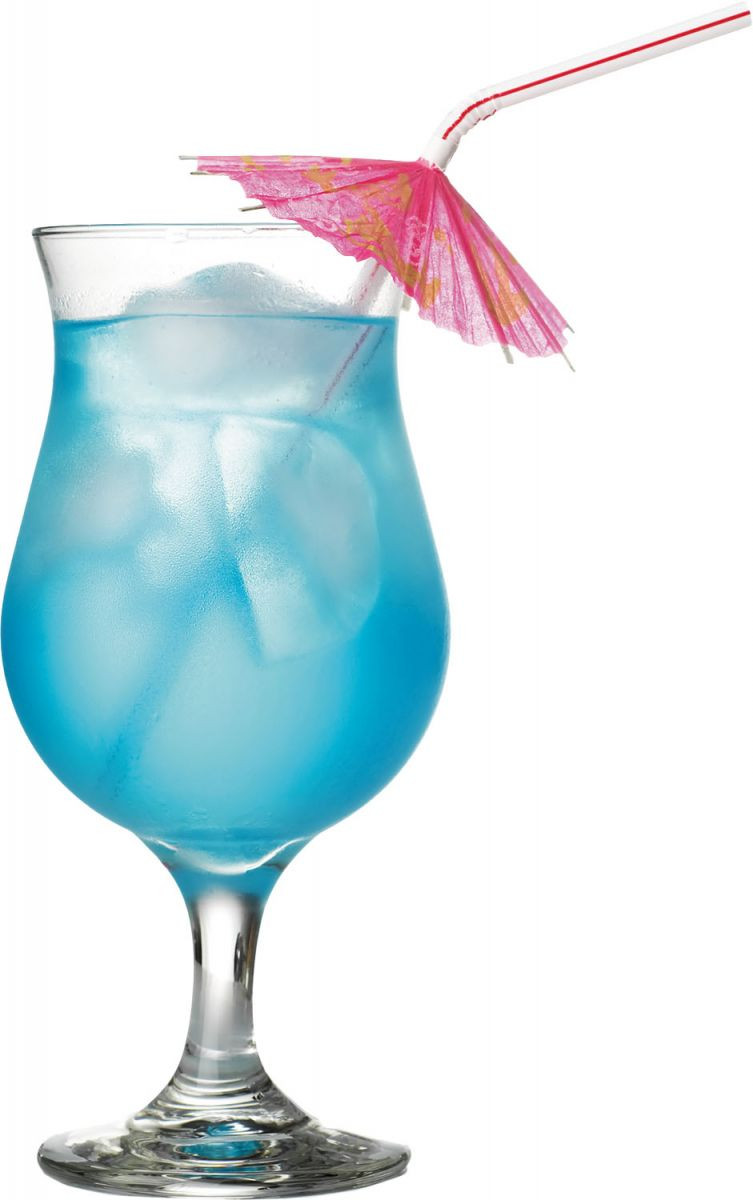
There's a lot of buzz these days about how gut bacteria affect your health, but those might not be the only body microbes that matter. The population of bacteria in your mouth may also play a role in your risk of various diseases. And researchers recently found that alcohol consumption could influence your oral bacteria.
A study published online April 23 by Microbiome found that people who had one or more alcoholic drinks a day had more harmful bacteria in their mouths than nondrinkers. The researchers found types of bacteria that have been linked to gum disease, cancer, and heart disease.

6 ways to improve and protect your vision
Eating an antioxidant-rich diet, wearing protective glasses, and controlling underlying conditions will help protect your vision.
Image: © Sidekick/Getty Images
We all know how important vision is for remaining independent and enjoying the simple pleasures in life, like a colorful sunset or a grandchild's precious smile. But appreciation isn't enough to keep your vision intact. Aging increases the risk for vision loss and eye problems, including cataracts, diabetic eye disease, glaucoma, age-related macular degeneration, and dry eyes.
Adopting the following healthy habits will increase the odds that you'll protect your vision and independence as well as your view of the things that make life beautiful.
Why do I sweat so much?
Walking pneumonia: The "mild" illness that can still pack a punch
Tai chi walking: What is it and does it work?
What causes knee pain: How doctors make a diagnosis
Sacroiliac joint pain: Causes, symptoms, and exercises that help
Where you carry excess weight matters in predicting heart disease risk
Study: At-home colorectal cancer screening may significantly cut colon cancer deaths
Fatty liver disease: Should you be tested?
Even a little exercise linked with lower stroke risk in people with afib
Testosterone therapy without evidence of deficiency may boost heart risk
Free Healthbeat Signup
Get the latest in health news delivered to your inbox!
Sign Up
